
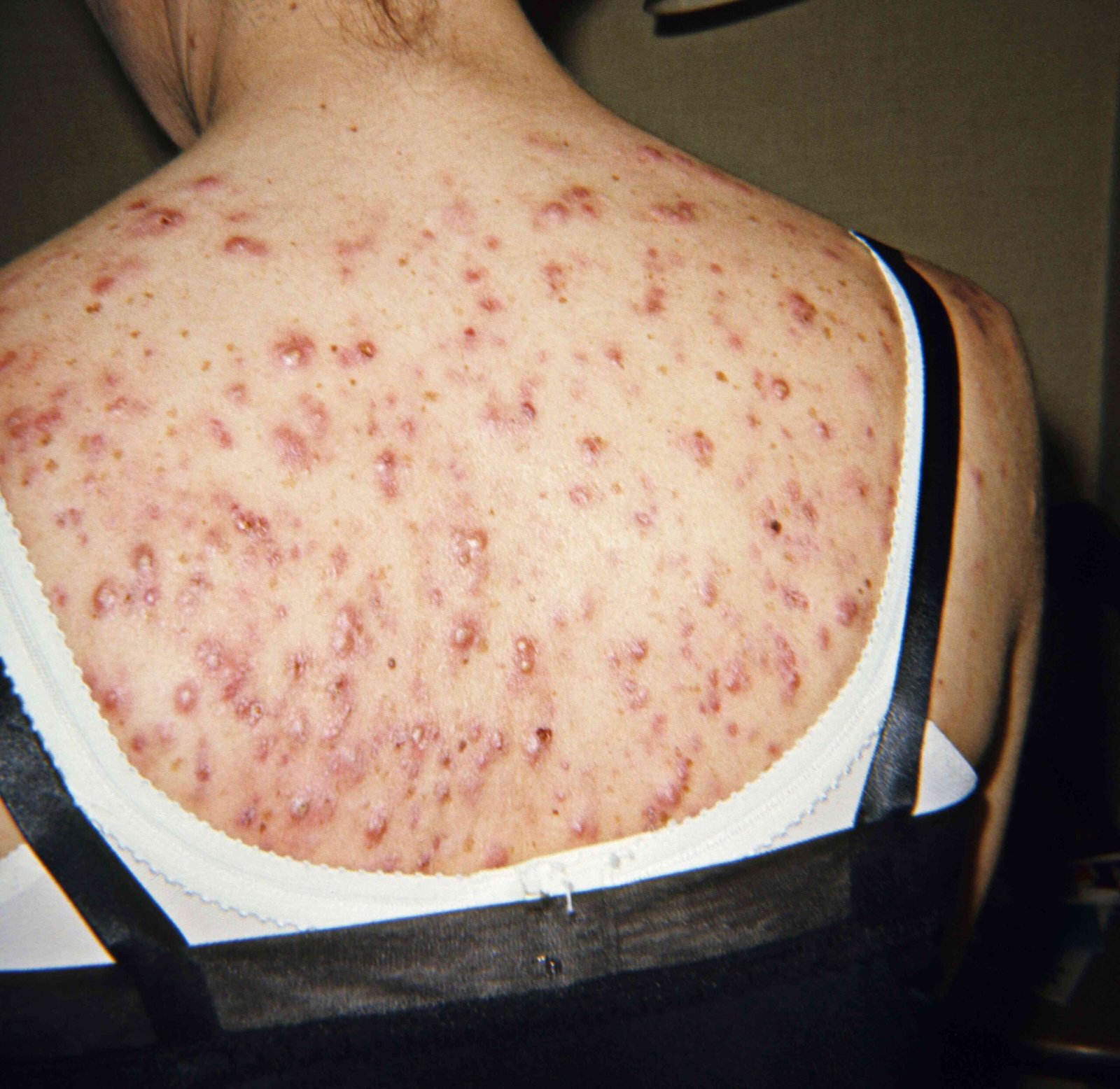
Some pimples are small and annoying. A cystic pimple is the dramatic cousin that moves in deep, swells up, and makes even smiling feel like a workout. If you have a large, painful bump that will not come to a head, you are probably wondering what it is and why nothing seems to touch it. This guide explains what a cystic pimple is, how it differs from a cyst pimple or nodule pimple, what causes it, what you can safely do at home, and when a dermatologist is the smarter choice. Spoiler: the answer is often sooner than you think.
Quick Answer
A cystic pimple is a deep, inflamed acne lesion filled with pus, and it is often painful and slow to heal. Home care can help with comfort, but over-the-counter products often struggle to reach cystic acne. Do not squeeze it, since popping can worsen inflammation and raise the risk of scarring. If you get cystic pimples often, or a painful one lasts more than a few weeks, see a dermatologist.
What Is a Cystic Pimple?
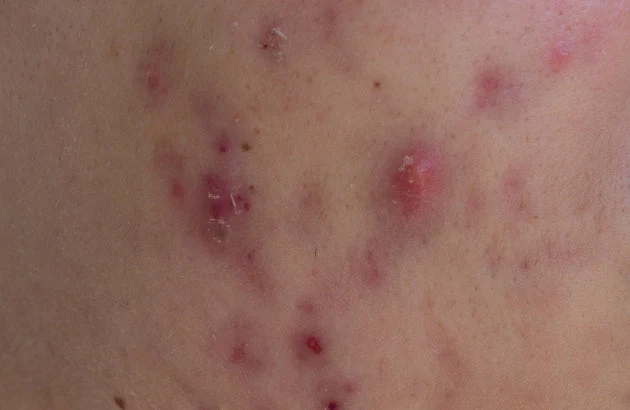
A cystic pimple forms when a pore becomes clogged with oil, dead skin cells, and bacteria, and the inflammation goes deep into the skin. Unlike a typical whitehead, a cystic pimple sits well below the surface. It may feel soft or firm, and it can be larger than other acne bumps.
You may also hear it called a pimple cyst or cyst pimple. These terms are commonly used for the same type of deep acne. When many of these bumps appear regularly, dermatologists call it cystic acne, which is the most severe form of acne vulgaris.
What Does a Cystic Pimple Look Like?
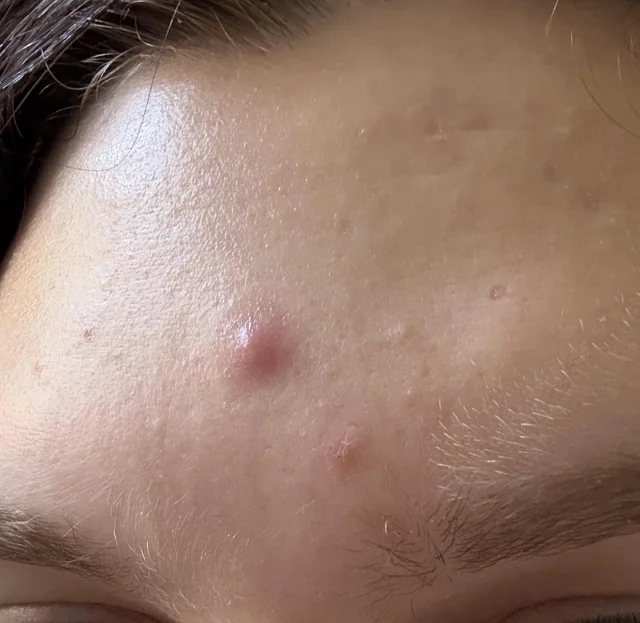
Common signs include:
- A large, raised, red or darker bump that looks swollen
- A painful pimple that hurts even without touching it
- A bump that feels deep under the skin
- Pus that may be visible under the surface, though the bump often does not form a clear head
- Slow healing that can take weeks
- Marks or scars after it heals
On deeper skin tones, redness may be less obvious. The bump may look darker, purple, or brown, and dark marks can last a long time after healing.
Cystic Pimple vs Nodule Pimple vs Blind Pimple
These terms overlap, which is why they can be confusing. Here is a simple way to compare them.
| Type | What It Feels Like | Depth | Key Difference |
|---|---|---|---|
| Blind pimple | Small to medium, tender lump | Under the skin | No visible head, often milder |
| Nodule pimple | Hard, solid bump | Deep | Firm and usually without a soft, pus-filled center |
| Cystic pimple | Larger, swollen, painful, may feel soft | Deep | Pus-filled and more likely to scar |
| Whitehead | Small bump with a white tip | Surface | Clogged pore near the surface |
Nodules and cysts can appear together, and it is not always easy to tell them apart by sight. A dermatologist can confirm what you have. For a milder deep bump, see our guide to a [blind pimple](insert URL).
What Causes a Cystic Pimple?
Hormones
Hormonal changes are a common trigger for women. Breakouts along the chin and jawline before a period are a familiar pattern. Some conditions that affect hormones can also contribute to persistent cystic acne, so ongoing breakouts are worth discussing with a doctor.
Excess Oil and Clogged Pores
Higher oil production makes it easier for pores to clog. When bacteria that live on the skin multiply in a blocked pore, the body responds with inflammation.
Genetics
If your parents had severe acne, you may be more likely to develop it too. That is not your fault, and it is one reason some people struggle despite a careful routine.
Stress
Stress does not directly cause acne, but it may worsen breakouts in some people.
Certain Products and Habits
Pore-clogging makeup, heavy hair products, and frequent face touching can irritate the skin. Some medications may also trigger acne, so tell your doctor if breakouts started after a new prescription.
Picking and Squeezing
Popping a cystic pimple rarely helps. It can push inflammation deeper, prolong healing, and raise the chance of scarring.
What You Can Do at Home
Home care will not cure cystic acne, but it can improve comfort and protect the skin while you decide on next steps.
1. Do Not Pop It
This is the most important rule. A cystic pimple is too deep to safely extract at home.
2. Use a Warm Compress
Apply a clean washcloth soaked in warm water for 10 to 15 minutes, a few times a day. This may help with discomfort and encourage the bump to settle.
3. Use Ice for Swelling
A cold compress wrapped in a clean cloth for a few minutes may help reduce swelling and soreness. Never apply ice directly to the skin.
4. Try a Gentle Spot Treatment
Benzoyl peroxide and adapalene are common over-the-counter acne ingredients. Start with a low strength and use one at a time to reduce dryness and irritation. Be realistic: these products may help with smaller breakouts but often do not fully resolve deep cystic lesions.
5. Keep Your Routine Simple
Use a gentle cleanser, a light moisturizer, and sunscreen daily. Sunscreen helps protect the skin and may reduce dark marks after healing.
6. Protect the Area
A hydrocolloid patch may help you avoid picking, though it will not pull out a deep cyst.
Professional Treatments for Cystic Pimples
Because cystic acne can scar, professional treatment is often recommended sooner rather than later. A dermatologist may suggest:
- Prescription topical treatments, such as stronger retinoids
- Oral antibiotics for a limited time, usually alongside a topical treatment
- Hormonal therapy for some women, such as certain birth control pills or spironolactone
- Isotretinoin for severe or stubborn cases
- A corticosteroid injection into one large painful lesion to reduce swelling
Each option has benefits and risks. For example, isotretinoin is not safe during pregnancy and requires close medical monitoring. Treatment should be chosen with a healthcare professional, not based on internet advice alone.
When to See a Dermatologist
Make an appointment if:
- You get cystic pimples repeatedly
- A painful bump lasts several weeks
- Over-the-counter products are not helping after consistent use
- You are noticing scars or long-lasting dark marks
- Breakouts are affecting your confidence or mood
- You are pregnant or trying to conceive and need safe options
Acne can affect how you feel about yourself. Wanting help is a valid reason to see a doctor.
Common Mistakes to Avoid
- Squeezing, digging, or using needles on a cystic pimple
- Layering several strong acne products at once
- Using harsh scrubs that irritate inflamed skin
- Treating with home remedies such as toothpaste
- Changing products every few days
- Waiting months while scarring develops
- Skipping sunscreen after using acne treatments
How to Help Prevent Cystic Pimples
- Wash your face gently morning and night
- Remove makeup before bed
- Choose non-comedogenic skincare and makeup
- Keep your hands off your face
- Clean phone screens and pillowcases regularly
- Track breakouts against your menstrual cycle to spot patterns
- Ask a dermatologist about a long-term plan if breakouts keep coming back
FAQs
What is a cystic pimple?
A cystic pimple is a deep, pus-filled acne lesion that is usually painful and swollen. It forms when inflammation from a clogged pore spreads deep into the skin.
Should I pop a cystic pimple?
No. It is too deep to drain safely at home, and squeezing can worsen inflammation and increase the risk of scarring.
How long does a cystic pimple last?
A cystic pimple can last several weeks. If it lingers or keeps returning, a dermatologist can suggest treatment.
What is the difference between a cystic pimple and a blind pimple?
A blind pimple is typically smaller and has no visible head. A cystic pimple is usually larger, more painful, pus-filled, and more likely to leave scars.
What is a nodule pimple?
A nodule pimple is a hard, solid bump deep under the skin. It is often painful and does not have a visible head. Nodules and cysts are both forms of severe acne.
Can I get rid of a cystic pimple overnight?
No home method can reliably remove a cystic pimple overnight. Warm compresses and gentle care may help comfort, and a dermatologist can sometimes reduce swelling faster with an injection.
Why do I get cystic pimples on my jawline?
Hormonal changes are a common reason for breakouts on the jawline and chin, but genetics, oil production, and skincare habits can also play a role.
Can cystic pimples cause scars?
Yes. Deep inflammation can damage the skin, and picking can raise the risk. Early treatment may help lower that risk.
Final Verdict
A cystic pimple is more than a surface problem, so the best plan is a calm, gentle one. Skip the squeezing, keep your routine simple, and use home care for comfort. If the bumps are frequent, painful, or leaving marks, a dermatologist can offer treatments that go deeper than any drugstore product. Getting help early is not overreacting. It is the smartest way to protect your skin.