
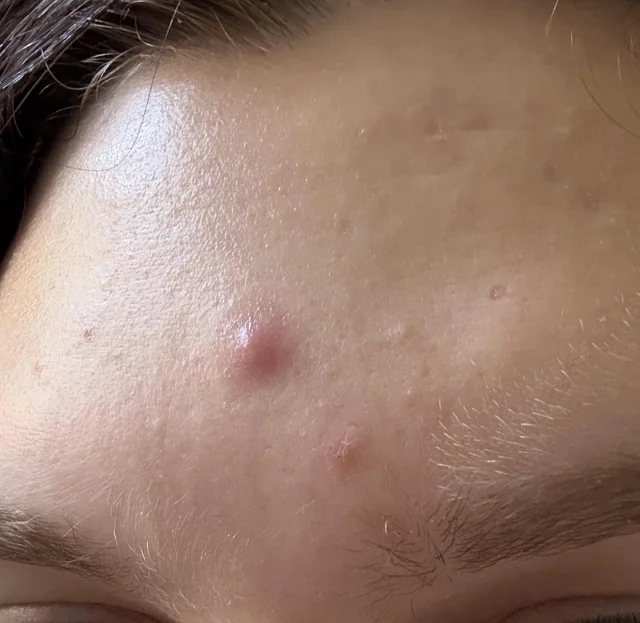
A blind pimple is the guest that shows up the day before an important event, hurts like it paid rent, and refuses to show its face. There is no white tip to pop and nothing to see, just a tender lump sitting under your skin. If you have been searching for an underground pimple or a pimple with no head, you are in the right place. This guide explains what a blind pimple looks like, why it forms, what actually helps it go away, and which habits make it worse. You will also learn when it is time to stop guessing and see a dermatologist.
Quick Answer
A blind pimple is an inflamed, clogged pore deep in the skin that never forms a visible whitehead or blackhead. It often feels hard and sore. The safest approach is to leave it alone, use a warm compress, and apply a gentle acne spot treatment with benzoyl peroxide or salicylic acid. Do not squeeze it. If it is very painful, keeps returning, or lasts more than a few weeks, see a dermatologist.
What Is a Blind Pimple?
A blind pimple is a type of inflammatory acne bump. A pore gets blocked by oil and dead skin cells, bacteria build up, and the area becomes inflamed. The difference is that the blockage sits deeper, so the bump stays under the surface instead of coming to a head.
That is why people also call it an underground pimple, a pimple under skin, or a hard pimple under skin. The names are different, but they describe the same frustrating bump.
What Does a Blind Pimple Look Like?
Blind pimples can be hard to recognize because they do not look like a classic pimple. Common signs include:
- A firm or hard bump that you can feel more than you can see
- Skin color or slightly pink to red, depending on your skin tone
- Tenderness or a painful pimple under skin feeling when touched
- No white or yellow tip
- Mild swelling around the bump
- Slow changes, often lasting days or longer
On deeper skin tones, the bump may look skin colored, brownish, or darker than the surrounding area rather than red. Redness is not always easy to see, so pain and texture are often better clues.
Blind Pimple vs Cyst vs Other Bumps
Not every bump under the skin is a blind pimple. This table can help you sort out what you might be dealing with.
| Bump Type | What It Feels Like | Typical Location | Key Difference |
|---|---|---|---|
| Blind pimple | Small to medium, firm, tender | Chin, jawline, cheeks, forehead | No visible head, stays under the skin |
| Cystic acne | Larger, deeper, often very painful | Jawline, cheeks, chin | More severe, more likely to scar |
| Ingrown hair | Small bump, sometimes with a visible hair | Bikini line, underarms, chin | Linked to hair removal or curly hair |
| Milia | Tiny, hard, white bumps | Around eyes and cheeks | Not painful and not inflamed |
| Boil | Red, painful, warm, may fill with pus | Anywhere with hair follicles | Bacterial infection that may need medical care |
If you are not sure what you have, a dermatologist can identify it quickly.
What Causes a Blind Pimple?
Blind pimples form for the same core reasons as other acne, but the deeper location makes them more stubborn.
Excess Oil and Clogged Pores
Oil and dead skin cells can block a pore. When bacteria that live on the skin multiply inside that blocked pore, inflammation follows.
Hormonal Changes
Many women notice deep pimples around the jawline and chin before their period. Hormone shifts can increase oil production. Conditions that affect hormones can also play a role, so recurring deep breakouts are worth mentioning to a doctor.
Stress
Stress does not create acne on its own, but it may make existing breakouts worse in some people. Your skin does not care that you have a deadline.
Pore-Clogging Products
Heavy makeup, thick moisturizers, and some hair products can clog pores. Check labels for words like non-comedogenic, but keep in mind that this label is not a guarantee for every skin type.
Friction and Pressure
Phone screens, face masks, helmet straps, and resting your chin in your hand can irritate the skin and contribute to breakouts in those areas.
Picking and Squeezing
Picking an existing bump can push bacteria deeper and make inflammation worse. This is one of the most common reasons a small blind pimple turns into a bigger, longer lasting problem.
How to Get Rid of a Blind Pimple
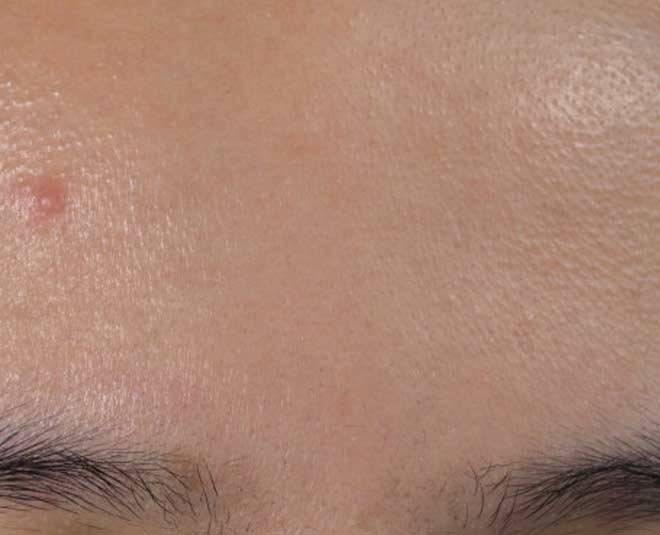
There is no instant fix for a blind pimple, and anything promising overnight results should be treated with caution. The goal is to calm inflammation, help the pore clear, and avoid damage.
1. Use a Warm Compress
Hold a clean washcloth soaked in warm water against the bump for about 10 to 15 minutes, a few times a day. Warmth may help increase comfort and encourage the bump to move toward the surface. Keep the water comfortably warm, not hot.
2. Apply a Spot Treatment
Over-the-counter options often work best when used consistently:
- Benzoyl peroxide: Helps reduce acne-causing bacteria. Start with a lower strength to limit dryness and irritation.
- Salicylic acid: Helps exfoliate inside the pore. It may be gentler for sensitive skin.
- Adapalene: A retinoid available without a prescription in some countries. It can help prevent new clogged pores but may cause dryness at first.
Use one active ingredient at a time at first. Layering several strong products on one bump can irritate the skin and make the area look worse.
3. Keep the Routine Simple
Wash your face twice a day with a gentle cleanser, use a light moisturizer, and wear sunscreen in the morning. Some acne treatments can make skin more sensitive to sun, and sun exposure can also darken marks after a pimple heals.
4. Try a Cold Compress for Swelling
If the bump is swollen and sore, a cold compress wrapped in a clean cloth for a few minutes may help with comfort. Do not place ice directly on the skin.
5. Consider Hydrocolloid Patches Carefully
Hydrocolloid patches work best on pimples that have opened or have a surface head. On a true blind pimple, a patch may still protect the area from picking, but do not expect it to draw anything out.
6. See a Dermatologist for Stubborn Bumps
A dermatologist can offer treatments not available over the counter, such as prescription topicals or, for large painful bumps, other in-office options. This is especially helpful if you are trying to avoid scarring.
How Long Does a Blind Pimple Last?
It varies. Many blind pimples settle within a few days to a couple of weeks, while deeper ones can take longer. Squeezing or picking may extend healing time and raise the risk of dark marks or scars.
Common Mistakes to Avoid
- Squeezing or trying to pop the pimple with nails or tools
- Using toothpaste, alcohol, or harsh home remedies on the bump
- Applying several strong acne actives at once
- Skipping moisturizer because your skin feels oily
- Switching products every few days instead of giving one time to work
- Touching your face throughout the day
- Sleeping in makeup
When to See a Doctor
Book an appointment if:
- The bump is very painful, large, or spreading
- It has not improved after a few weeks of consistent care
- You get deep breakouts often, especially along the jawline
- You notice scarring or long-lasting dark marks
- You also have irregular periods or other symptoms that concern you
- You are pregnant or trying to conceive and are unsure which acne products are safe to use
Some acne ingredients are not recommended during pregnancy, so it is best to check with a doctor before starting new treatments.
How to Help Prevent Blind Pimples
Prevention is about consistency, not perfection:
- Wash your face gently morning and night
- Remove makeup fully before bed
- Choose lightweight, non-comedogenic skincare and makeup
- Clean your phone screen and pillowcases regularly
- Keep hair products away from your face
- Avoid picking at any bump, even small ones
If you see patterns, such as breakouts before your period or after using a certain product, note them. That information can help you or your dermatologist find the trigger.
FAQs
What is a blind pimple?
A blind pimple is an inflamed, clogged pore that stays deep under the skin without forming a visible head. It usually feels like a firm, tender lump.
Should I pop a blind pimple?
No. There is usually nothing at the surface to release, and squeezing can push bacteria deeper, increase swelling, and raise the risk of scarring.
How long does a blind pimple take to go away?
Many go away within days to a couple of weeks, but deeper bumps can last longer. If it stays for several weeks, a dermatologist can help.
What is the fastest way to get rid of a blind pimple?
A warm compress and a consistent acne spot treatment are common first steps. For a very painful bump that needs faster relief, a dermatologist may offer treatment options.
Is a blind pimple the same as a cyst?
Not exactly. A blind pimple is a smaller, deeper bump without a head. Cystic acne is usually larger, more painful, and more likely to scar, and it often needs medical treatment.
Why do I keep getting a hard pimple under the skin on my chin or jawline?
Hormonal changes are a common reason for breakouts in this area, but friction, skincare products, and stress can also contribute. Frequent deep breakouts are worth discussing with a doctor.
Can a blind pimple leave a scar or dark mark?
It can, especially if it is picked or stays inflamed for a long time. Protecting the area from picking and using sunscreen may help reduce marks.
Final Verdict
A blind pimple is annoying because it hurts and gives you nothing to work with. The smartest plan is also the least dramatic: warm compress, one gentle spot treatment, a simple routine, and no squeezing. If the bump is severe, recurring, or leaving marks, professional help will usually save you time, money, and skin. Your skin heals best when you treat it like a friend, not an enemy.