
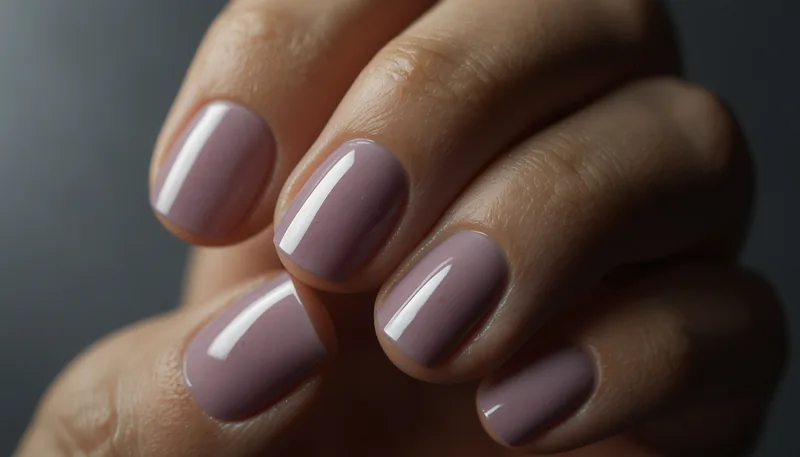
Builder gel has become one of the most popular nail enhancement products on the market. It offers durability, flexibility, and a gorgeous finish that lasts for weeks. Whether you’re a nail enthusiast or someone considering your first builder gel manicure, you’ve probably heard conflicting opinions about whether this trendy product is actually safe for your natural nails. The short answer is that builder gel isn’t inherently bad for your nails; however, improper application, removal, and maintenance can definitely cause damage.
In this comprehensive guide, we’ll break down everything you need to know about builder gel. We’ll examine the potential risks and provide practical tips to keep your natural nails healthy while enjoying beautiful, long-lasting manicures. If you’re concerned about nail health or looking for ways to protect your nails during builder gel use, this article will give you the evidence-based answers you’re searching for.
What is Builder Gel and How Does It Work?
Builder gel is a thick, viscous gel designed to create length, strength, and structure on natural nails. Unlike regular gel polish that sits on top of the nail, builder gel actually builds up the nail with layers of product. Nail technicians typically apply it in thick coats and then cure it under a UV or LED light to harden.
The magic of builder gel lies in its formulation. It contains special resins and polymers that create a flexible and durable coating. This flexibility is one of the key differences between builder gel and acrylics; builder gel moves with your natural nail rather than being rigid and heavy. Most builder gels are available in nude, pink, and clear shades, making them perfect for natural-looking nail extensions.
Builder gel works by creating a hard overlay on your nail plate. The product self-levels, creating an even surface without the filing and buffing required by acrylics. This gentler application method makes builder gel a popular choice for many nail technicians and clients.

Can Builder Gel Damage Your Natural Nails?
The honest answer is yes, builder gel can damage your natural nails, but only under certain circumstances. When a trained professional properly applies and removes builder gel, it is generally safe for most people. However, frequent use without breaks, improper removal, or having naturally weak nails increases the chance of damage.
The main issue isn’t the builder gel itself; it’s the removal process. Many people mistakenly peel off builder gel or try to remove it without proper soaking and care. This practice can rip away layers of the nail plate, leaving nails thin, weak, and prone to breaking. Always opt for professional removal using acetone soaks and gentle techniques to prevent damage.
Another factor is frequency. If you constantly wear builder gel without taking breaks, your nails do not have a chance to repair and recover. Even healthy nails need time to breathe and regenerate. Taking breaks every few months allows your natural nails to strengthen and restore themselves.

Common Nail Problems Associated with Builder Gel
Understanding potential problems from builder gel use will help you identify issues early and take corrective action. Here are the most common concerns:
Nail Thinning and Weakening
Continuous builder gel use without breaks can cause your natural nails to become thinner and weaker over time. This happens because the nail plate doesn’t have adequate recovery time between applications. When you finally remove the builder gel, your nails may feel papery and fragile.
Peeling and Splitting
Improper removal is the primary cause of peeling and splitting. When builder gel is removed by picking or peeling rather than soaking, it tears away layers of the nail plate. This leaves nails vulnerable to splitting and breaking even with slight pressure.
Brittleness and Breakage
Damaged nails from builder gel use tend to be brittle and break easily. Even with careful handling, weakened nails may snap or break during everyday activities. This is particularly frustrating for people trying to grow their natural nails.
Dehydration of the Nail Plate
Builder gel forms a sealed coating over your nails, which can limit moisture from reaching the nail plate. Over time, this can lead to dehydration, making nails dry and brittle. After removal, it may take some time for the nail to rehydrate and restore moisture balance.
Sensitivity and Pain
Some people feel nail sensitivity and pain during and after builder gel use. This may result from over-buffing the nail before application, the curing process, or damaged nail beds. If your nails hurt during builder gel application, speak with your technician immediately.
Nail Bed Damage
If builder gel is applied too close to the cuticle or nail bed, or if it is removed too aggressively, you can damage the nail bed itself. This can cause permanent damage if severe, so professional application is crucial.
How to Minimize Damage When Using Builder Gel
The good news is you can safely use builder gel if you follow proper protocols and take care of your nails. Here are ways to protect your natural nails while enjoying builder gel manicures:
Choose a Professional Technician
Never cut corners when it comes to nail application. A trained, experienced technician knows proper application techniques, how much to file your natural nail, and correct removal methods. Poor application by someone inexperienced is one of the biggest causes of nail damage.
Don’t Over-File Your Natural Nails
Your natural nail will need slight filing for adhesion before applying builder gel. However, excessive filing thins the nail plate and weakens it. A good technician files just enough to create a slightly textured surface without compromising your nail’s integrity.
Take Regular Breaks
Give your nails a break every 2-3 months. Even if you want to maintain length, consider switching to shorter natural nails or trying press-on nails for a few weeks instead. This allows your natural nails to recover, strengthen, and regain moisture.
Remove Builder Gel Properly
Never pick, peel, or file off builder gel yourself. The correct removal method involves soaking your nails in acetone for 10-15 minutes, then gently dissolving the gel. A professional removal takes time and care—rushing this process will damage your nails.
Use Protective Base Coats
Apply a quality base coat before the builder gel to create a barrier between your natural nail and the product. This reduces direct contact and potential dehydration of the nail plate. Choose bases formulated to protect and strengthen nails.
Moisturize Regularly
During builder gel use and especially during breaks, keep your nails and cuticles moisturized. Use cuticle oil, hand cream, and nail strengthening serums daily. Hydrated nails are healthier and more resilient to damage.
Avoid UV Damage
LED lights are generally safer than UV lights for curing builder gel. If your salon only uses UV lights, ask about applying sunscreen to your hands first, or wear UV-blocking gloves. Too much UV exposure can contribute to skin and nail damage over time.
Be Gentle with Your Nails
While builder gel is durable, treat your nails kindly. Avoid using them as tools for opening packages or scratching. Wear gloves when cleaning or doing dishes to minimize exposure to harsh chemicals and excess water.

Healthier Alternatives to Consider
If you’re concerned about builder gel damage or your nails are currently recovering, several excellent alternatives can give you beautiful nails without the risks:
Press-On Nails
Press-on nails are a fantastic temporary option that allow you to change your look without causing damage to your natural nails. You can wear them for a few days or weeks, then remove them and give your nails a complete break. Plus, there are quality press-on nails available for everyday wear that look and feel natural.
Regular Gel Polish
Standard gel polish is thinner than builder gel and doesn’t require as much nail preparation. It still lasts 2-3 weeks but poses less risk of damage when applied and removed correctly. This is a good middle-ground option if you want gel color without heavy build-up.
Strengthening Treatments
During nail recovery periods, invest in professional strengthening treatments. Many salons offer nail health services specifically designed to repair and fortify damaged nails. These can significantly speed up recovery time.
Short Natural Nails with Polish
Short nails are trending for good reason. Short natural nails with regular polish are low-maintenance and stylish. You can rock beautiful designs without any enhancements, and with proper care, short nails stay healthy and strong.
Dip Powder Nails
Dip powder is another alternative that creates a durable manicure. While it still requires proper removal, some people find it less damaging than builder gel because it doesn’t require as much prep work on the natural nail.

Signs Your Nails Need a Break from Builder Gel
Pay attention to these warning signs that indicate your nails need recovery time:
- Your natural nails feel thin or papery when you remove the gel
- Nails are breaking or splitting easily, even after removal
- You experience pain or sensitivity during application or while wearing builder gel
- The nail plate shows white spots, ridges, or discoloration
- Your nails feel dry and brittle despite moisturizing
- The nail bed appears red, irritated, or inflamed
- You notice nail peeling that extends beyond the product line
- Your nails are growing in weak or damaged-looking
If you’re experiencing any of these symptoms, take a break from builder gel immediately. Allow your nails at least 4-8 weeks of recovery time before reapplying. During this period, focus on nail health with moisturizing treatments and gentle care.
If you’re dealing with damaged nails that won’t seem to recover, read our guide on why nails keep breaking and what to do about it for additional insights and solutions.
The Bottom Line: Is Builder Gel Bad for Your Nails?
Builder gel isn’t inherently bad for your nails. When applied and removed by a professional, used with appropriate breaks, and paired with good nail care habits, builder gel can be a safe and beautiful enhancement option. The damage associated with builder gel primarily comes from improper application, aggressive removal, continuous use without breaks, or using inexperienced technicians.
The key to safe builder gel use is education and responsibility. Know what to expect, choose qualified professionals, take regular breaks, and monitor your nail health. If your nails show signs of damage, do not hesitate to take time off from builder gel. Your nails will thank you.
Remember, beautiful nails should never come at the expense of your nail health. Whether you choose builder gel, press-on nail kits for beginners, or natural nails with regular polish, prioritize what’s best for your individual nail health. Every person’s nails are different, and what works perfectly for someone else might not be ideal for you.
If you choose to use builder gel, make it a point to educate yourself on proper care, find a trusted technician, take breaks regularly, and always listen to your nails. With these practices in place, you can enjoy gorgeous builder gel manicures while keeping your natural nails healthy and strong for years to come.