
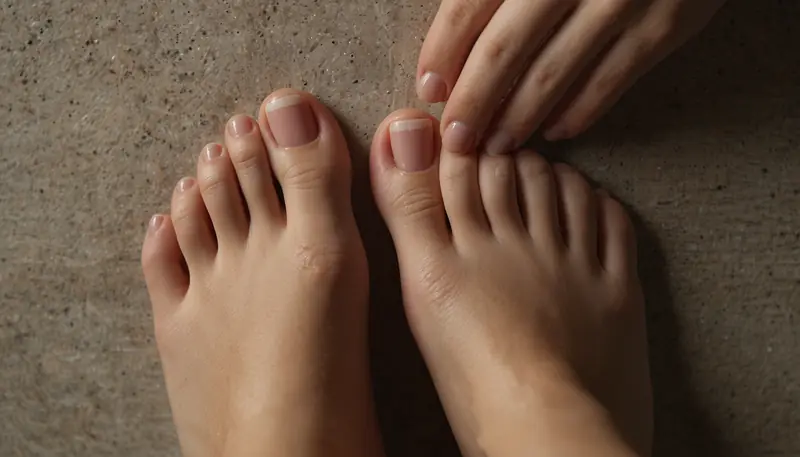
If you’ve ever wondered, “Do I cut toenails the same way of fingernails?”, you are not alone. Many people think all nails are the same and use the same cutting methods for both. However, toenails and fingernails have differences in structure, thickness, and growth patterns that require different care strategies for optimal nail health.
Knowing these differences is not just about looks; it also helps in preventing painful issues like ingrown toenails, infections, and brittle nails. Whether you’re doing your own nails at home or planning a visit to a professional, understanding the correct techniques for each type is vital for healthy hands and feet. This guide covers everything you need to know about cutting toenails and fingernails properly.
Key Differences Between Toenails and Fingernails
The first step in understanding proper nail care is realizing that you should not treat toenails and fingernails the same. Both nails are made from keratin, but they grow differently and have unique structural qualities.
Toenails are thicker and more durable than fingernails. They grow at a slower pace, taking about six months to regenerate fully, compared to fingernails that regrow in about three to four months. This thickness protects the nails from pressure and impact, as our feet endure more wear and tear.
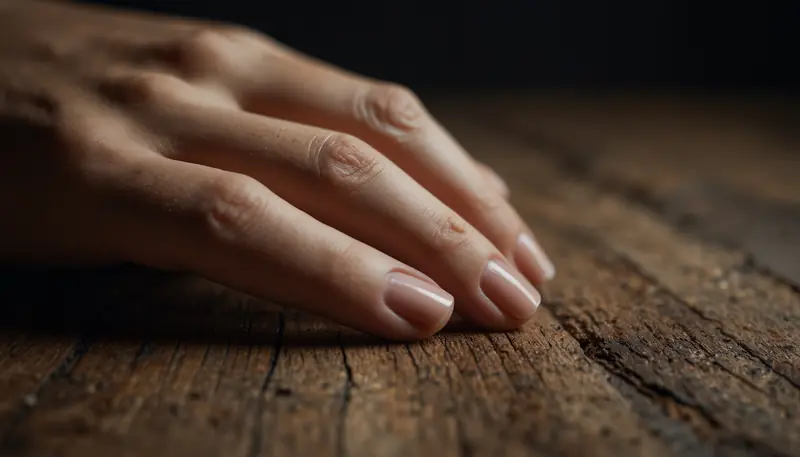
Fingernails, on the other hand, are thinner and more flexible. Their design supports dexterity, making them more prone to breaking. Fingernails usually have a natural curve, while toenails are broader and flatter, serving a different function.
Structural Differences
Toenails have more densely packed keratin layers, making them stronger and more resistant to damage. This structure also makes toenails harder to cut; many find standard fingernail clippers ineffective for trimming them.
Fingernails exhibit a slightly curved surface that aids in performing fine motor tasks. Conversely, toenails are flatter and broader, enabling them to bear weight and support movement as you walk and stand.
Growth Rate and Lifespan
Toenails typically grow about one millimeter every ten days, while fingernails grow around one millimeter every five to six days. This growth difference means you will need to trim your fingernails more often than your toenails. The slower growth of toenails highlights their protective role and their thicker keratin composition.
Since toenails regenerate more slowly, cutting them too short can lead to prolonged discomfort and infections. Thus, using proper cutting techniques is even more essential for toenail care.
Tools You Need for Each Type of Nail
Using the right tools for each nail type is critical. Fingernail clippers can harm toenails and struggle to give a clean cut.
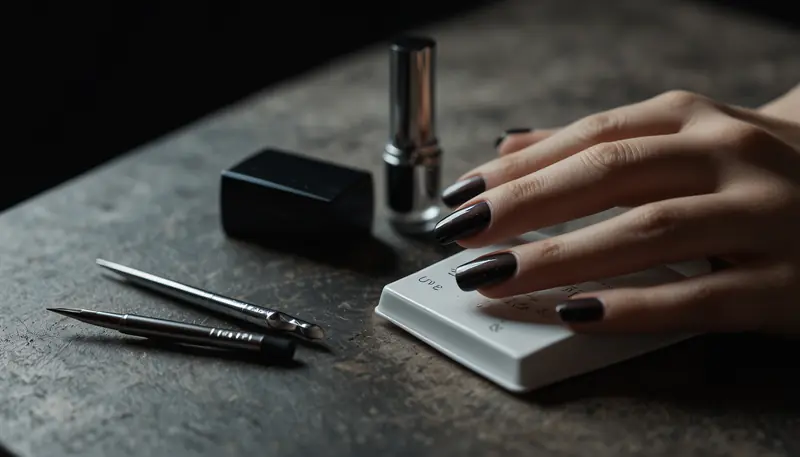
Essential Toenail Tools
- **Toenail clippers**: These have a flat, wide cutting edge ideal for thick nails. Guillotine-style or plier-style clippers work best.
- Nail file: Use a medium-grit file to smooth rough edges after cutting.
- Cuticle pusher: This tool helps maintain the cuticle area and remove debris.
- Foot file or pumice stone: These are useful for smoothing calluses around the nail area.
- Nail brush: Great for cleaning underneath the nail.
Essential Fingernail Tools
- **Fingernail clippers**: Smaller with a curved or guillotine blade suitable for thinner nails.
- Nail file: A fine-grit file helps in smoothing and shaping.
- Cuticle pusher: For gently pushing back cuticles.
- Nail scissors: Useful for shaping and handling hangnails.
- Nail buffer: To smooth the surface and enhance shine.
Investing in the right tools simplifies the cutting process and results in better-looking nails. Quality clippers with sharp blades reduce nail splitting and crushing, which helps prevent infections or slow healing.
Step-by-Step Guide to Cutting Toenails
Correctly cutting toenails is essential for **preventing ingrown toenails** and infections. Follow these steps to do it safely and effectively.
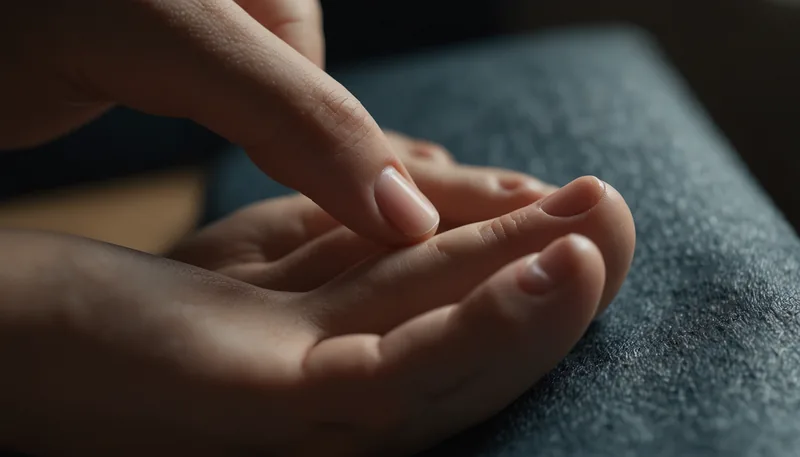
Preparation Phase
Start with softening your toenails by soaking your feet in warm water for five to ten minutes. You can add a drop of mild soap or essential oils to the water. This step makes cutting easier and reduces the risk of cracking or splitting.
Once soaked, dry your feet completely, especially between the toes. Ensure good lighting and sit in a comfortable position to see your toenails clearly.
Cutting Technique
- Cut straight across: Unlike fingernails, toenails should be cut in a straight line. This helps prevent nail edges from digging into the skin and forming ingrown toenails.
- Leave a small margin: Keep about one millimeter of nail extending beyond the toe. This protects the nail bed and prevents ingrown nails.
- Use steady pressure: Press the clippers firmly and make one motion to cut. Sawing back and forth weakens the nail.
- Work from one side to the other: Cut from the outer edge inward, making small cuts rather than cutting the whole nail at once.
- File the edges: After cutting, smooth rough edges with a medium-grit nail file to avoid snagging.
Never cut your toenails too short. Shortening them drastically increases the risk of ingrown toenails and exposes the delicate nail bed to bacteria and fungi.
Post-Cut Care
After cutting, clean underneath your nails with a nail brush to remove any debris. Apply a light moisturizer or cuticle oil around the nail area. If you notice redness or swelling, wear loose shoes and observe the area for any signs of infection.
Step-by-Step Guide to Cutting Fingernails
Fingernails require a different approach. Because they are thinner and more flexible, you can shape them with more freedom, but you must handle them carefully to avoid damage.
Preparation
While soaking is not necessary for fingernails, washing your hands in warm water and drying them thoroughly allows you to start with clean, slightly softened nails. Clean tools help prevent infection and ensure cleaner cuts.
Shaping and Cutting
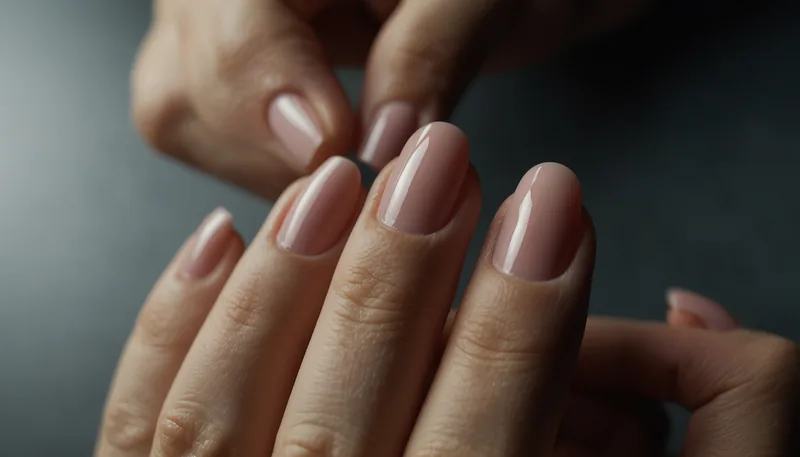
- Follow the natural curve: Your fingernails should mirror the natural curve of your fingertip. This shape ensures strength and functionality.
- Cut the sides slightly shorter: Keep the center of the nail a bit longer than the edges for a gentle curve.
- Keep nail length appropriate: Most professionals suggest keeping fingernails two to three millimeters longer than your fingertip.
- Use gentle cutting motions: Make small cuts instead of trying to cut the entire nail in one go, especially with nail scissors.
- Shape with the file: Use a fine-grit nail file to create smooth, even edges and refine your desired shape.
The curved shape of properly trimmed fingernails is functional and visually appealing. This shape prevents sharp edges that can snag on fabric and makes daily tasks more comfortable.
Finishing Touches
After cutting and filing, gently push back your cuticles with a cuticle pusher. Applying cuticle oil or hand cream keeps the skin around your nails hydrated. If you plan to use nail polish or try the best short press-on nail kits for beginners, ensure your nails are fully clean and dry first.
Common Mistakes People Make
Despite good intentions, many people make mistakes when cutting their nails. Understanding these common errors can help you avoid painful conditions later on.

Cutting Toenails Too Short
This mistake ranks as the top error people make with toenails. Cutting too closely to the nail bed removes the protective barrier and significantly raises the risk of ingrown toenails. Always leave a small portion of nail extending beyond the toe.
Rounding Toenail Edges
Rounding fingernails is fine, but doing this for toenails prompts them to grow into the skin. Keep toenail edges straight. For more nail health insights, check out our guide on short nail care tips to keep your nails healthy and clean.
Using the Wrong Tools
Using fingernail clippers on toenails can lead to crushing and splitting. Each nail type needs specialized tools designed for its thickness and structure. Investing in suitable toenail clippers prevents damage and gives cleaner results.
Not Cleaning Underneath Nails
Bacteria and fungi thrive in debris that builds up under nails. Always clean this area after cutting to prevent infections. A small nail brush is perfect for this task.
Ignoring Signs of Infection
If you notice redness, swelling, pus, or pain around a nail, stop cutting and monitor the area. These could indicate an ingrown nail or infection. Consult a healthcare provider if symptoms persist. Learn more about prevention in our article on why your short nails keep breaking.
Cutting Nails in Dim Lighting
Poor lighting can lead to uneven cuts and accidents. Always cut your nails in bright, natural light for better visibility. This ensures a clean cut.
When to Seek Professional Help
While many can maintain their nails at home, some situations require professional help. Professional pedicurists and manicurists possess specialized training and tools to address complex nail issues safely.

Signs You Need a Professional
- Recurrent ingrown toenails: If you frequently get ingrown toenails, a professional can find the cause and recommend cutting techniques or treatments.
- Fungal infections: Thick, discolored, or crumbly nails may signal a fungal infection needing professional evaluation.
- Severe pain or swelling: If your nails hurt, trust a healthcare provider for a proper assessment instead of trying home remedies.
- Difficulty reaching or seeing your nails: Elderly individuals or those with mobility or vision problems should have their nails professionally cared for.
- Complex nail shapes: If your nails grow in unusual ways, a professional can determine if you need special care.
- Diabetic complications: Diabetics should have regular foot care to minimize the risk of infections.
Professional pedicurists use specialized equipment and adhere to strict sanitation standards to prevent infections. They can also detect potential issues early before they turn serious.
Finding a Qualified Professional
Search for nail salons that practice proper sanitation, including sterilizing tools between clients. Inquire about their experience with problematic nails. A qualified professional should be willing to explain their methods and address your concerns.
Maintaining Healthy Nails Long-Term
Beyond cutting, caring for your nails requires ongoing maintenance. Simple daily habits prevent common nail issues and keep both your toenails and fingernails healthy and attractive.
Daily Nail Care Routine
- Keep nails clean: Wash your hands and feet every day and regularly clean underneath your nails.
- Moisturize cuticles: Apply cuticle oil or moisturizer daily to prevent dryness and hangnails.
- Trim regularly: Cut your fingernails every one to two weeks and toenails every three to four weeks, or as needed.
- Protect nails: Wear gloves when doing chores to prevent damage.
- Avoid harsh chemicals: Limit exposure to nail polish removers and strong soaps, which can dry out nails.
Nutritional Support for Nail Health
Your nails often reflect your overall health. Biotin, iron, zinc, and B vitamins play significant roles in nail growth and strength. A balanced diet rich in these nutrients supports healthy nails. If you have weak or brittle nails, consult a healthcare provider about supplements.
Footwear Considerations
The shoes you choose greatly impact your toenail health. Tight shoes that cramp your toes can cause issues, including ingrown nails. Opt for shoes with enough toe space and avoid styles that pinch or apply unnecessary pressure.
Nail Polish and Treatments
If you love painted nails, use good quality nail polish and let your nails breathe between applications. Consider the best short press-on nails for everyday wear as a safer alternative to gel or acrylic nails, which can harm your natural nails if not applied correctly. Always remove nail polish carefully with a non-acetone remover.
Environmental Factors
Extreme temperatures, chlorine exposure, and consistent moisture can damage nails. If you swim often, wear flip-flops or water shoes and dry your feet thoroughly afterward. In colder months, wear warm socks and gloves to shield your nails from dry and cold air. If you want seasonal nail styles, consider short square acrylic nails for summer flowers to protect natural nails while staying stylish.
When to Reevaluate Your Routine
Pay attention to how your nails respond to your care routine. If you notice ongoing brittleness, peeling, or discoloration despite proper care, consult a healthcare provider. Such signs may indicate underlying health issues needing attention. For comprehensive guidance, explore the best clear short press-on nails and 25 cute short nails ideas for 2026 to keep your nails beautiful and healthy year-round.
Healthy nails reflect overall wellness. By recognizing the differences between toenails and fingernails and treating each with proper techniques and tools, you invest in your long-term health and comfort. Whether you maintain your nails at home or seek professional care, consistency and attention to technique are key. Your future self will appreciate the care you give your nails today.