
Almond nails are one of the most sought-after nail shapes in the beauty world. They offer an elegant, elongated silhouette that flatters any hand shape and skin tone. However, maintaining their pristine appearance at home can be challenging, especially when it comes to filing without damage. Many people struggle to keep their almond nails strong and intact, often making costly trips to salons just to maintain their shape.
The good news is that with the right knowledge, tools, and techniques, you can confidently file your almond nails at home without breaking them. This comprehensive guide walks you through everything you need to know about maintaining your almond nails, from selecting the perfect file to mastering filing techniques that prevent splitting and peeling.
Why Almond Nails Break and How Filing Prevents It
Almond nails are particularly prone to breakage due to their extended length and tapered shape. The thinner point at the tip creates a structural weakness, making them vulnerable to impacts and stress. Understanding the reasons behind nail breakage helps you develop better filing habits and care routines.
When you file incorrectly, you create micro-fractures along the edge of the nail. These tiny breaks weaken the nail structure and cause layers to separate, leading to peeling and breakage. Proper filing technique, however, seals the keratin layers and creates a smooth, strong edge that resists breaking.

The moisture content in your nails also affects their durability. Nails that are overly dry become brittle and snap easily, while properly hydrated nails remain flexible and strong. Filing in the right direction and at the correct angle helps maintain moisture while preventing damage to the nail bed.
Essential Tools for Filing Almond Nails at Home
Investing in quality tools forms the foundation of successful nail care at home. The type of file you use makes a significant difference in preventing breakage. Professional-grade files may cost slightly more but offer results comparable to salon visits and last much longer than drugstore alternatives.
Types of Files for Almond Nails
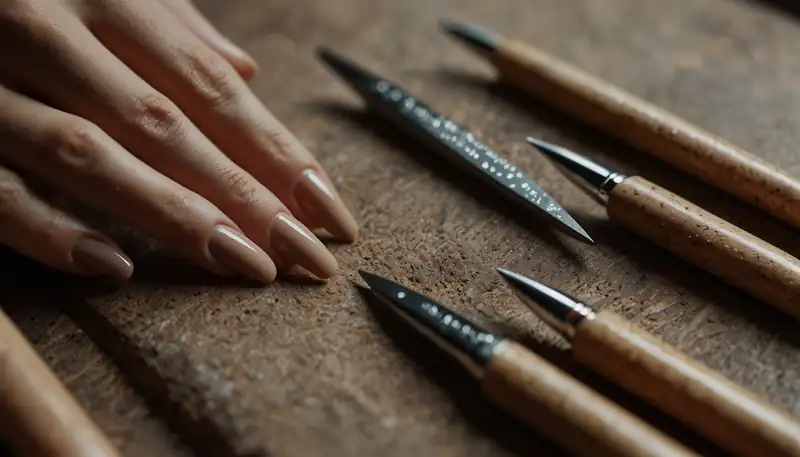
- Glass Nail Files: The best choice for almond nails. Glass files have a smooth surface that seals keratin layers at the edge, preventing peeling and breakage. They are gentle on delicate nails and never dull.
- Crystal Files: Similar to glass files but with a slightly more durable construction. Crystal files offer the same sealing benefits and are excellent for natural nails.
- Metal Files: While affordable, metal files can create jagged edges that encourage splitting. Avoid using metal files on natural almond nails, although they work well for artificial nails.
- Ceramic Files: A middle-ground option that performs well for almond nails. Ceramic files are durable and create smooth edges, though they are slightly less effective than glass.
- Emery Board Files: Not recommended for almond nails due to their coarse texture that can damage the nail edge.
Additional Tools You’ll Need
- Nail buffer (for smoothing the surface)
- Cuticle pusher (to maintain nail health)
- Nail clippers (for reducing length if needed)
- Hydrating cuticle oil or nail serum
- Hand moisturizer or nourishing hand cream
- Gentle nail brush
- Cotton pads or soft cloths
Quality tools are not just about looks; they protect your investment in growing and maintaining beautiful almond nails. A good glass file costs around $10-15 but lasts for years, making it much more economical than frequent salon trips.
Step-by-Step Guide to Filing Almond Nails Properly
Adopting a systematic approach to filing ensures consistent results and less breakage. This method used by professional nail technicians is replicable at home with practice and patience.
Step 1: Prepare Your Nails
Begin by removing any nail polish or decorations. Wash your hands with warm water and soap, then pat them dry. Wet nails are more prone to splitting, so ensure they are entirely dry before filing. Allow your nails to air dry for at least 5-10 minutes after washing.
Step 2: Determine Your Filing Direction
This step is crucial for almond nails. Always file from the outer edge toward the center, using one directional stroke. Avoid sawing motions or filing back and forth, as this creates layers and causes breakage. For almond nails, angle your file slightly to follow the curve of your nail shape.
Step 3: File the Sides First
Start by filing the sides of your nail to define the almond shape. Use gentle, even pressure and keep a consistent angle. File from the outer edge inward, creating the tapered profile that characterizes almond nails. This approach prevents the sides from becoming uneven.
Step 4: Shape the Tip
After shaping the sides, focus on the tip using the same filing technique. Create a smooth, pointed curve rather than a sharp point. For almond nails, the tip should taper gradually, mimicking the natural curve of your finger’s shape.
Step 5: Smooth the Edges
Use lighter pressure with your glass file to smooth any rough edges. Run your fingertip along the edge of each nail to check for rough spots. File any imperfections smooth with gentle strokes. This final smoothing step is essential for preventing snags and breakage.
Step 6: Buffer the Surface (Optional)
If you wish, use a soft buffer to gently smooth the nail surface. This gives a polished look and helps hide minor ridges. Use minimal pressure and circular motions, as excessive buffing can thin the nails and cause weakness.
Step 7: Hydrate and Seal
Immediately after filing, apply cuticle oil or a nourishing nail serum to your nails and cuticles. This hydrates the newly exposed keratin and seals the edge. The moisture also restores flexibility and strength to your nails after the filing process.
Pro Techniques to Prevent Breakage While Filing
Beyond the basic filing steps, professional nail technicians use techniques that further protect almond nails from damage. Incorporating these methods into your routine significantly improves results and extends your nails’ lifespan.

The 45-Degree Angle Technique
Hold your file at a 45-degree angle to the nail edge while filing the tip. This angle creates the smoothest edge and prevents the nail layers from separating. A steeper or shallower angle can lead to breakage.
Feathering the Edge
Instead of creating a flat edge, slightly feather the underside of the nail tip with very light pressure. This technique reduces sharpness and impact damage. The feathered edge is less likely to catch on fabrics or break during normal activities.
The One-Direction Rule
Always stick to one-directional filing. Each stroke should move from the outer edge toward the center. Consistency in this approach prevents the nail plate from separating into layers. Even a few strokes in the opposite direction can damage the nail and lead to breakage.
Pressure Control and Hand Positioning
Use light to moderate pressure only. Keep your hand relaxed and stable, with your elbow supported on a table or cushion. Poor hand positioning may lead to uneven pressure, resulting in potential damage. Take breaks between nails to avoid hand fatigue that affects your technique.
File Maintenance and Hygiene
Keep your file clean by wiping it with a soft cloth before and after each use. A clean file operates better and reduces the transfer of bacteria or fungi. Store it in a dry place away from humidity to maintain its quality. Replace your file each year or when it becomes less effective.
Common Mistakes That Lead to Broken Almond Nails
Understanding what not to do is just as important as knowing proper technique. Many people unknowingly damage their almond nails through common filing mistakes that are easily fixable.

Using the Wrong Type of File
Metal and low-quality files are leading causes of nail breakage. These rough files create jagged edges and damage the structure of the nail. Investing in a glass or crystal file can immediately improve your results and prevent breakage.
Filing Wet Nails
Filing nails when they are wet or damp causes the keratin to compress and separate unevenly. Always ensure nails are completely dry before filing. This simple practice prevents most filing-related breakage.
Aggressive Sawing Motions
Filing back and forth quickly builds friction and heat that can damage the nail. Use slow, deliberate one-directional strokes instead. Taking your time while filing prevents breakage and creates better results.
Excessive Pressure
Pressing too hard while filing does not speed up the process; instead, it damages the nails. Use light to moderate pressure and let the file do the work. You should barely feel resistance as you file.
Ignoring Cuticle Health
Damaged cuticles weaken the entire nail structure. Always take care of your cuticles by keeping them moist and avoiding harsh pushing or cutting. Healthy cuticles lead to stronger nails.
Filing Too Short Too Quickly
Dramatically shortening nails in one session can cause stress and breakage. If you need to significantly reduce length, do so gradually over multiple filing sessions. This allows the nail structure to adjust without breaking.
Aftercare Tips for Maintaining Strong Almond Nails
What you do after filing is just as crucial as the filing technique itself. Proper aftercare keeps nails strong and prevents breakage while maintaining beautiful almond nails.
Immediate Post-Filing Care
Apply nourishing cuticle oil or nail serum immediately after filing while your nails are porous and can absorb moisture effectively. Massage the product into your nails and cuticles thoroughly. This hydration seals the nail edge and prevents moisture loss.
Daily Moisturizing Routine
Apply hand cream and cuticle oil at least twice per day, especially before bed. Nails are most absorbent at night, so evening application is especially beneficial. Consistent moisturizing prevents dryness and brittleness that leads to breakage.
Protect Your Nails During Activities
Wear gloves when washing dishes, cleaning, or handling harsh chemicals. Water exposure and chemicals weaken nails and cause peeling. Taking brief protective measures during these activities significantly enhances nail life and prevents damage.
Avoid Using Nails as Tools
Resist the urge to use your nails to open packages, scratch stickers, or pick at items. This is one of the quickest ways to break almond nails. Keep tools like bottle openers and screwdrivers readily accessible.
Consider Nail Strengthening Treatments
Use nail strengthening polishes or treatments that include calcium, biotin, or keratin. These products provide extra protection and support nail health. Apply them beneath your regular polish or wear them alone for maximum benefit. If you’re looking for more nail design inspiration and ideas, explore options that fit your nail care routine.
Nutrition and Hydration for Nail Health
Healthy nails start from within. Make sure you’re consuming enough protein, biotin, iron, and zinc. Stay hydrated by drinking plenty of water daily. These internal factors are as important as external care in preventing breakage and ensuring strong almond nails.
How Often Should You File Almond Nails
Establishing a regular filing schedule helps prevent damage and maintains your almond nail shape. The frequency depends on your nail growth rate, lifestyle, and personal preferences.

Weekly Maintenance Filing
Most people benefit from light filing once a week. This maintenance filing addresses minor shape irregularities and smooths any small rough edges that develop naturally. Weekly filing prevents small issues from escalating.
Bi-Weekly Full Shaping
Every two weeks, carry out a more thorough shaping and filing session. This is when you redefine your almond shape, address uneven growth, and completely smooth all edges. Bi-weekly shaping keeps your nails looking their best and prevents breakage from neglect.
Monthly Deep Care Sessions
Once a month, combine filing with intensive cuticle care, buffing, and deep moisturizing treatments. This session targets any accumulated damage and resets your nail health. Monthly deep care prevents long-term problems and keeps nails looking salon-quality.
Signs Your Nails Need Immediate Filing
- Rough or jagged edges that catch on fabric or skin
- Visible splits or peeling at the edge
- Uneven growth creating a crooked shape
- Chips or cracks in the nail
- Loss of defined almond shape
- Small hangnails or cuticle damage
If you notice these signs, respond quickly. Quick attention prevents minor issues from leading to significant breakage. Spending a few minutes filing can save days of healing and damage.
Adjusting Your Schedule Based on Lifestyle
If your lifestyle is harsh on your nails (frequent water exposure, manual work, or sports), consider increasing your filing frequency to weekly or even twice a week. If you have a gentler routine, you might extend to every two weeks. Listen to your nails and adjust accordingly.
For detailed guidance on nail maintenance and care, check out our article on short nail care tips, which includes principles that work for longer nails. Additionally, understanding why nails break gives valuable insights into prevention methods.
Seasonal Adjustments
Winter often requires more frequent filing and moisturizing due to harsh weather and dry indoor heating. Summer might require different care if you spend more time in the water. Adjust your schedule by the season to maintain optimal nail health year-round.
Mastering the art of filing almond nails at home without breaking them is an achievable skill that will transform your nail care routine. By using quality tools, following proper techniques, and maintaining consistent aftercare, you can enjoy beautiful, strong almond nails that rival salon results. Whether your interest lies in creating ombre nail designs at home or exploring cute short nail ideas for variety, maintaining healthy almond nails is the foundation of any beautiful nail aesthetic.
Remember, patience is your greatest asset when filing almond nails. Rushing leads to mistakes and breakage, while taking your time ensures perfect results. With practice, your filing technique will become second nature, and you will find that maintaining gorgeous almond nails at home feels effortless and rewarding.