
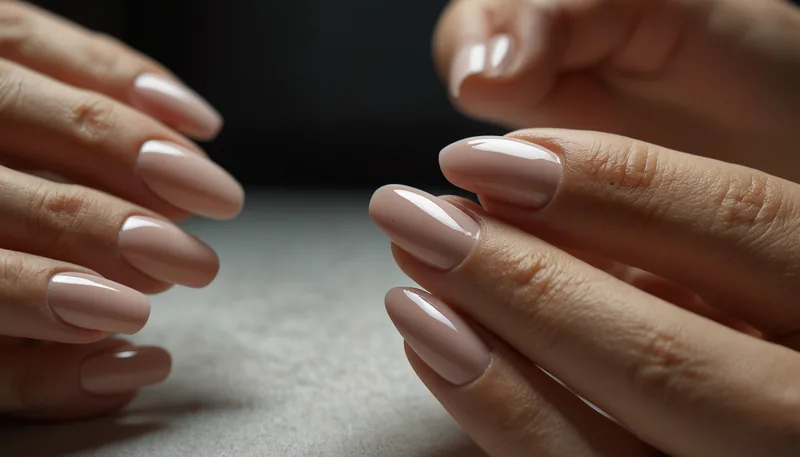
When it comes to choosing the perfect nail shape, the decision between oval and almond nails is one of the most popular dilemmas in the beauty world. Both shapes have gained tremendous popularity in recent years, and for good reason. They offer elegance, versatility, and a flattering appearance that works with various styles and lifestyles. However, understanding the key differences between these two shapes can help you make the best choice for your hands, nail beds, and personal style. Read on for a nail shapes comparison and a nail shape guide to discover more.
The debate between oval and almond nails goes beyond simple aesthetics. Your choice can impact your daily activities, nail durability, maintenance requirements, and how your hands appear overall. Whether you want to grow out your natural nails or explore artificial options, knowing the distinctions between these shapes helps you achieve the look you desire while ensuring your nails remain healthy and strong. Keep reading for some valuable manicure tips and nail design ideas based on each shape.
Understanding Oval Nails
Oval nails have a smooth, rounded shape that resembles the oval of an egg. The sides of the nail curve uniformly, creating a soft appearance that tapers gently toward the tip. This shape maintains consistent width from the cuticle area to about three-quarters of the nail length, where it begins to narrow and round at the free edge.
The oval shape is one of the most timeless nail shapes in beauty history. It became popular during the mid-20th century and has remained a classic choice ever since. Today, oval nails are beloved by professionals, minimalists, and anyone looking for a sophisticated, understated elegant look that works for virtually any occasion.
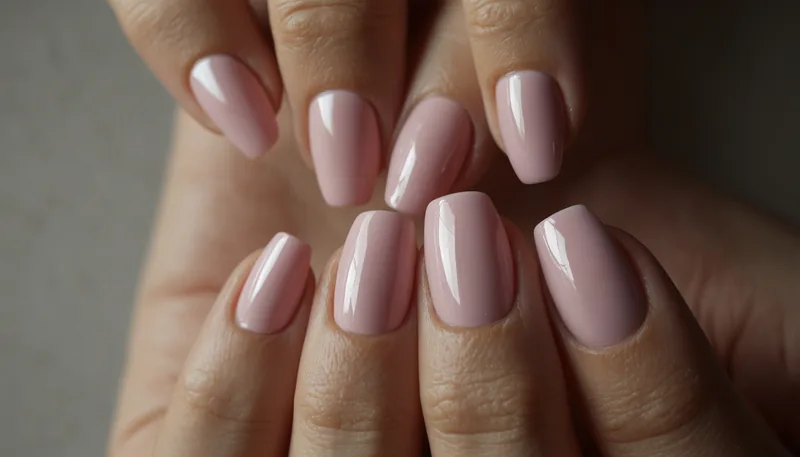
Creating oval nails involves filing the sides of the nail to create gentle curves. The key to a perfect oval shape is maintaining symmetry and ensuring both sides curve evenly toward the center. When done correctly, oval nails should look balanced and proportionate to your finger width.
Understanding Almond Nails
Almond nails take their name from their resemblance to almond nuts. This shape features pointed or tapered tips, with sides that gradually narrow from the base to create a sophisticated pointed appearance. Unlike oval nails, almond nails have more pronounced tapering, creating a more dramatic silhouette that catches the eye.
Almond nails have become increasingly trendy in recent years, particularly among fashion influencers, celebrities, and beauty enthusiasts. This shape offers a more dramatic fashion-forward appearance while still maintaining an elegant quality. Almond nails can range from subtly pointed to more dramatically peaked, depending on personal preference.
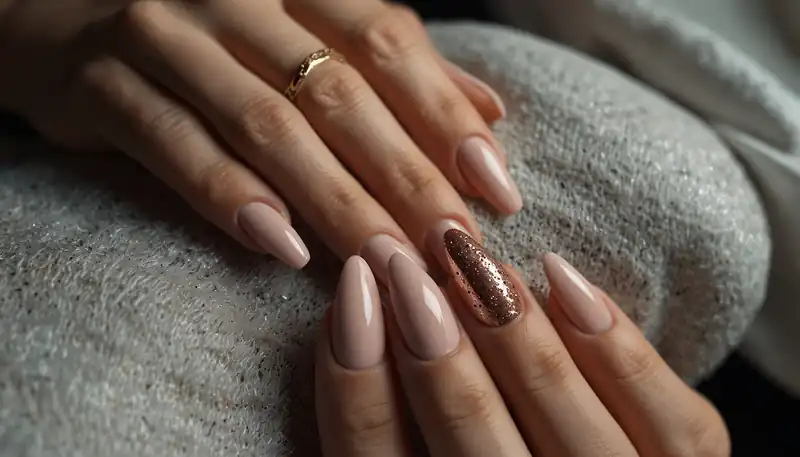
The almond shape requires more precise filing to achieve. Both sides of the nail must taper symmetrically toward a point or gentle peak at the tip. This shape works particularly well for nail art, as the pointed design provides a tempting canvas for creative designs and patterns.
Key Differences Between Oval and Almond Nails
While oval and almond nails might seem similar at first glance, several key differences distinguish them. Understanding these differences helps you make an informed decision about which shape best suits your needs and preferences.
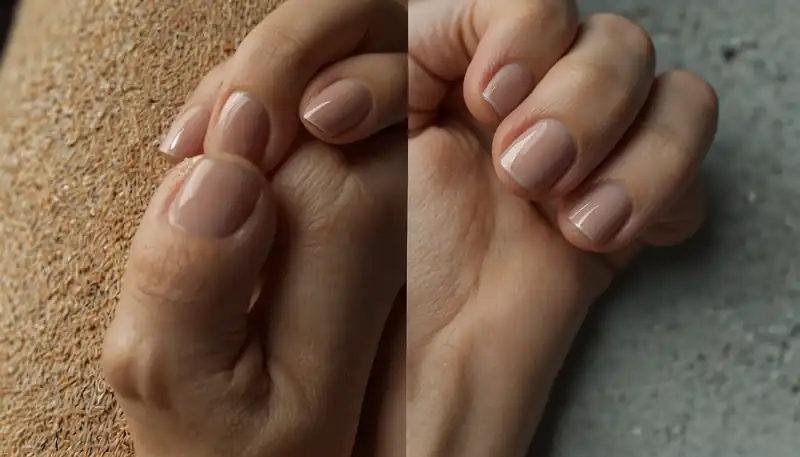
- Tip Shape: Oval nails have fully rounded tips, while almond nails come to a point or subtle peak.
- Tapering: Oval nails taper gradually and smoothly, while almond nails have more pronounced, dramatic tapering.
- Visual Impact: Oval nails appear classic and understated, while almond nails look more fashion-forward and dramatic.
- Length Appearance: Almond nails make fingers appear longer and more slender, while oval nails offer a balanced proportion.
- Nail Art Canvas: Almond nails provide more space for creative designs, while oval nails work well for minimalist styles.
- Practical Durability: Oval nails are generally less prone to breakage due to their rounded tip, while almond nails require more careful handling.
Oval Nails: Pros and Cons
Oval nails offer numerous advantages that make them an excellent choice for many people. Their main benefit is durability. The rounded tip of oval nails distributes pressure more evenly, making them less susceptible to breaking or chipping. This makes them ideal for people with active lifestyles who engage in sports, manual work, or other activities that might put stress on their nails.
Another significant advantage is their versatility. Oval nails work beautifully with any style, from casual to professional to glamorous. They are appropriate for office environments, special occasions, and everyday wear. The classic shape never goes out of style, making it a safe choice if you prefer timeless elegance over trendy aesthetics.
Advantages of Oval Nails
- More durable and less prone to breaking.
- Easier to maintain and file.
- Suitable for all lifestyles and activities.
- Work well with short to medium lengths.
- Appropriate for professional settings.
- Less likely to snag on fabrics or catch on things.
- Easier to achieve on natural nails.
Disadvantages of Oval Nails
- May not provide the dramatic fashion statement some desire.
- Can appear less glamorous than pointed shapes.
- Limited visual interest for certain nail art styles.
- Might not elongate fingers as effectively as the almond shape.
Almond Nails: Pros and Cons
Almond nails deliver an elegantly sophisticated appearance that many find appealing. The pointed tip creates a flattering silhouette that can make fingers appear longer, slimmer, and more graceful. This is especially beneficial for people who want to enhance their hand appearance or those with shorter natural nail beds.
The almond shape also provides an excellent canvas for nail art. The pointed design adds visual interest and allows for more creative freedom with designs, patterns, and embellishments. Whether you want to try ombre nails at home or intricate artwork, the almond shape accommodates various artistic styles beautifully.
Advantages of Almond Nails
- Creates an elegant, sophisticated appearance.
- Makes fingers appear longer and more slender.
- Excellent for displaying nail art and designs.
- Trendy and fashion-forward aesthetic.
- Works beautifully with various nail colors and finishes.
- Flattering for most hand shapes.
- Adds visual interest and drama to your look.
Disadvantages of Almond Nails
- More prone to breaking and chipping at the pointed tip.
- Requires more careful handling in daily activities.
- Can snag on fabrics, hair, or clothing more easily.
- Requires more frequent touch-ups and maintenance.
- Harder to achieve on short natural nails.
- May interfere with certain activities like typing or sports.
- More difficult for beginners to shape and maintain.
Which Nail Shape Is Right For You?
Choosing between oval and almond nails depends on multiple factors unique to your situation. Your lifestyle, work environment, personal style preferences, natural nail bed characteristics, and commitment to maintenance all play important roles in determining which shape serves you best.
If you have an active lifestyle, work with your hands regularly, or prefer low-maintenance beauty routines, oval nails are likely your best choice. The durability and practicality of this shape is ideal for people who need their nails to withstand daily wear while looking polished and professional.
Conversely, if you prioritize fashion and aesthetics, spend most of your time in office settings or similar controlled environments, and enjoy detailed nail art, almond nails might be perfect for you. The striking appearance and versatility for design make them ideal for style-conscious individuals willing to invest in maintenance.
Consider Your Lifestyle
Active individuals who exercise, play sports, or work with their hands should lean toward oval nails. The rounded tip provides protection and resilience. If your job involves typing extensively, consider oval nails to avoid interference and potential breakage from repeated keyboard contact.
Evaluate Your Work Environment
Professional environments like law, medicine, finance, or formal corporate settings often favor the understated elegance of oval nails. However, creative industries, fashion, beauty, and entertainment tend to embrace the more dramatic almond shape. Your workplace culture should influence your decision.
Assess Your Natural Nail Beds
If you have short, wide nail beds, almond nails can create the illusion of length and elegance. If you have long natural nails, both shapes work beautifully. If your nails are particularly weak or prone to breakage, oval is the safer choice.
How to Achieve the Perfect Oval Nail Shape
Creating perfect oval nails requires patience, the right tools, and technique. Whether you’re working with natural nails or acrylics, the process is straightforward once you understand the fundamentals. Start by allowing your nails to grow to your desired length, typically between one-quarter to one-half inch of free edge.
Begin filing from the outer corners toward the center using gentle, smooth strokes. File at a slight angle rather than straight across. The goal is to create curved sides that taper gradually toward a rounded tip. Both sides should mirror each other for a balanced, symmetrical appearance.
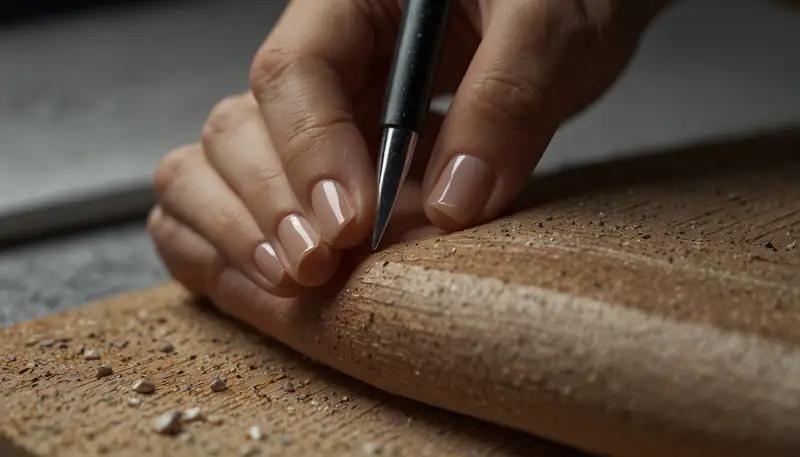
Step-by-Step Oval Nail Process
- Start with clean nails: Remove any old polish and file away existing damage.
- Establish the length: File straight across the tip to your desired length.
- Create side curves: File the outer corners at 45-degree angles.
- Blend the tip: File the top of the nail to create a gentle curve.
- Refine symmetry: Check if both sides match and adjust as needed.
- Smooth the edges: Use a fine-grit file to soften any rough areas.
- Buff and polish: Finish with a buffer and apply your chosen polish.
Using the right file is essential. Ceramic or glass files are gentler on nails than metal files and help prevent splitting and peeling. File in one direction rather than sawing back and forth to minimize damage to the keratin layers.
How to Achieve the Perfect Almond Nail Shape
Creating almond nails requires more precision than oval nails, but the process is manageable with practice. This shape demands careful tapering and attention to symmetry. Start with slightly longer nails than you would for oval, as you’ll remove more material from the sides to create the pointed effect.
The key to perfect almond nails is maintaining consistent tapering from the base to the tip. Begin by filing the sides at steeper angles than you would for oval nails. Each stroke should move from the outer edge toward the center, gradually creating narrower proportions as you move toward the tip.
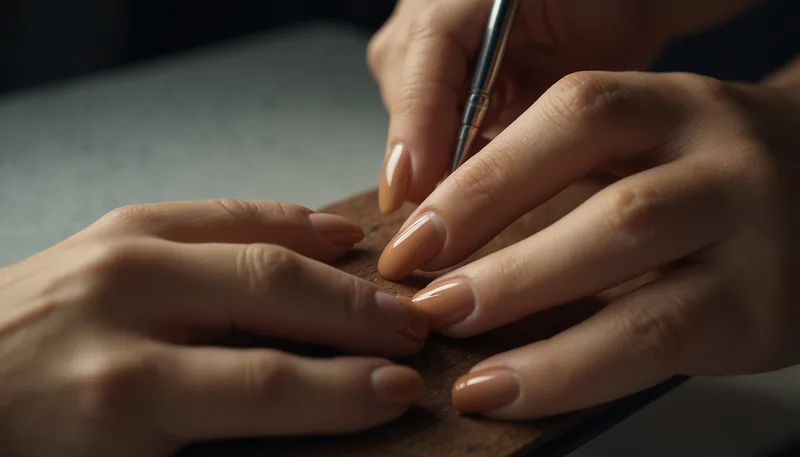
Step-by-Step Almond Nail Process
- Prepare your nails: Clean and remove any polish; ensure nails are dry.
- File the sides: Create angled lines from the outer corners toward the center using a 60-degree angle.
- Maintain consistency: Keep both sides symmetrical as you file.
- Refine the point: At the tip, angle your file to create a peak or point.
- Smooth the edges: Use a finer file to blend and soften the lines.
- Perfect the symmetry: Step back frequently to assess balance.
- Finish and polish: Buff gently and apply base coat and polish.
Many people find that achieving the perfect almond shape is easier with professional help. If you’re new to this style, visiting a nail technician can show you the proper technique and give you inspiration for your desired look.
Design Ideas for Oval and Almond Nails
Both oval and almond nails provide great opportunities for creative expression through nail design. Your choice of shape can influence which design styles work best, though both shapes accommodate numerous options.
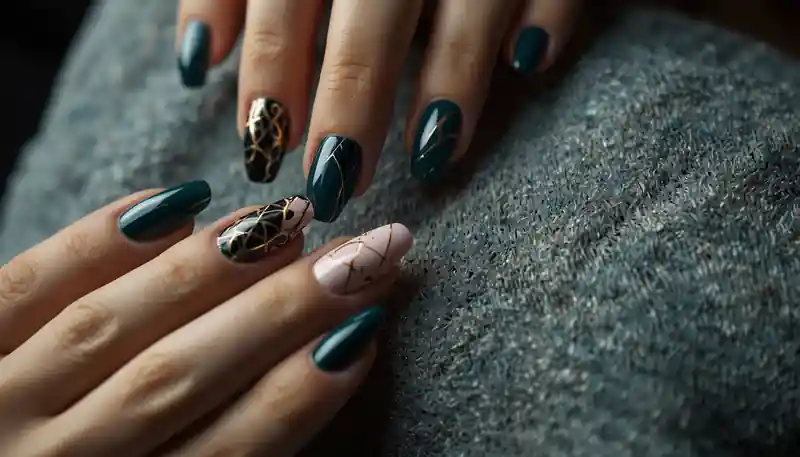
Designs Perfect for Oval Nails
- Minimalist styles: Simple lines, dots, or geometric patterns.
- French manicures: Classic white tips with nude or sheer base.
- Solid colors: Bold or neutral single-color applications.
- Subtle gradients: Soft color transitions between shades.
- Natural-inspired designs: Marble, wood grain, or stone textures.
- Stamped patterns: Simple repeating designs across all nails.
Designs Perfect for Almond Nails
- Elaborate nail art: Complex designs utilizing the pointed space.
- Ombre and gradient: Dramatic color transitions that enhance the shape.
- Crystallized embellishments: Rhinestones and gems placed strategically on the point.
- Negative space designs: Artistic cutouts that showcase the pointed tip.
- Long decorative elements: Designs that draw attention to the elongated shape.
- Custom artwork: Personalized designs taking advantage of the unique canvas.
If you’re interested in trying trendy designs, explore our guide on acrylic nails ideas for 2026 to see how different shapes can be styled with current trends. Whether you prefer simple designs or intricate artwork, both shapes offer wonderful opportunities for creative expression.
Maintenance and Care Tips
Maintaining beautiful nails, regardless of shape, requires consistent care and attention. However, oval and almond nails have slightly different maintenance needs due to their structural differences. Understanding these differences helps you keep your nails healthy, strong, and beautiful.
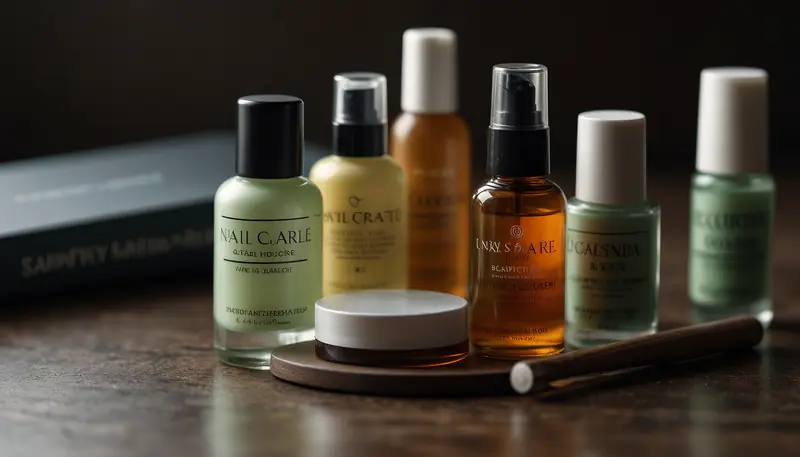
General Nail Care for All Shapes
- Keep nails properly moisturized with cuticle oil and hand cream.
- Avoid using nails as tools for opening or scraping things.
- Wear gloves when cleaning or doing dishes to protect against harsh chemicals.
- Maintain a healthy diet with adequate protein, biotin, and vitamins.
- Stay hydrated by drinking plenty of water throughout the day.
- File regularly to maintain your desired shape and prevent breaks.
- Use quality base coats and top coats to protect the nail surface.
Specific Care for Oval Nails
Oval nails require less frequent maintenance than almond nails. Focus on keeping the rounded edges smooth and maintaining the curved sides. File every one to two weeks to prevent sharp corners and maintain the classic shape. The rounded tip naturally resists breaking, so you can engage in most activities without worry.
Specific Care for Almond Nails
Almond nails need more frequent maintenance and careful handling. File the pointed tips regularly, ideally every five to seven days, to keep the sharp appearance and prevent splitting. Be cautious with activities that might catch or break the pointed tips. Consider keeping your nails slightly shorter if you find the points constantly breaking.
Choosing Between Oval and Almond for Different Nail Types
Your natural nail characteristics should significantly influence your shape choice. Different nail types have unique strengths and vulnerabilities that interact with each shape differently.
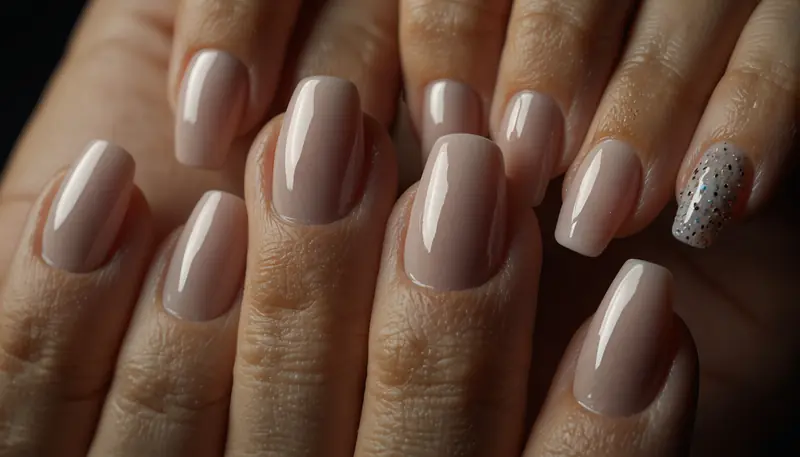
For Weak or Brittle Nails
If you struggle with weak, brittle, or easily damaged nails, oval is absolutely the superior choice. The rounded tip distributes pressure more evenly and is much less likely to break. Consider keeping your nails at medium length while you work on strengthening them with proper nutrition and care.
For Strong Natural Nails
People blessed with naturally strong nails can confidently wear almond shapes without excessive concern about breaking. Strong nails provide the foundation needed to maintain the pointed tips and withstand daily activities. You can experiment with longer lengths and more dramatic designs.
For Short Nail Beds
If you have naturally short nail beds, almond nails can create the illusion of length and elegance, making your fingers appear longer. The tapered design provides a flattering aesthetic that works beautifully even on shorter natural nails. Oval nails also work well but may not provide the same elongating effect.
For Wide Nail Beds
Those with wide nail beds often find almond nails particularly flattering as the tapered design creates a slimming visual effect. However, oval nails also work beautifully and may be more practical if you prefer lower maintenance. Both shapes help balance the width proportions of broader nail beds.
Final Thoughts: Making Your Choice
The choice between oval and almond nails ultimately comes down to balancing aesthetics with practicality. Consider your lifestyle, work environment, personal style, natural nail characteristics, and maintenance commitment when making your decision. There’s no inherently “right” or “wrong” choice – only the shape that’s right for you.
Remember that your choice doesn’t have to be permanent. Many people alternate between shapes seasonally or based on their current activities. If you’re unsure, you might try one shape for a few months to see how it works with your lifestyle before committing to the other.
Whether you’re growing out natural nails, getting acrylics, or using press-on options like press-on nails for small nail beds, both oval and almond shapes offer beautiful, elegant options. Explore design ideas on cute short nails ideas for 2026, and don’t forget to invest in proper maintenance and care regardless of which shape you choose. Your nails reflect your personal style, so pick the shape that makes you feel confident, beautiful, and comfortable in your daily life.
For those seeking versatile, low-maintenance options, consider exploring simple short nails that are low-maintenance but stylish, which work beautifully in both oval and almond shapes. Whatever you decide, commit to proper short nail care tips to maintain healthy, beautiful nails for years to come.