
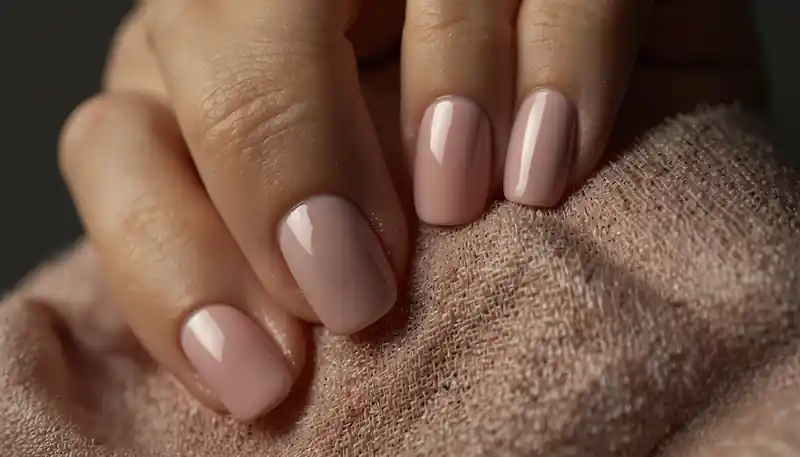
Press-on nails have changed the way we approach nail beauty. They offer salon-quality designs without the time commitment or expensive price tag. However, many beauty enthusiasts struggle with keeping their press-on nails looking flawless for as long as possible. Whether you opt for premium nail sets or budget-friendly options, learning how to make press-on nails last longer can greatly improve your appearance and save money.
The good news is that with the right techniques and habits, you can easily double or triple the wear time of your press-on nails. This comprehensive guide reveals tips from nail professionals on maintaining beautiful, durable press-on nails. From the moment you open the package to the day you remove them, every step matters in creating long-lasting press-on nails that rival what you would find at a salon.
Understanding Press-On Nails and Their Lifespan
Press-on nails typically last between one to four weeks depending on several factors. The actual lifespan depends on the quality of the nails, your application method, lifestyle activities, and daily maintenance habits. Understanding these factors helps you manage expectations and plan your nail replacements accordingly.
Most salon-quality press-on nails can last up to three weeks with the right care, while budget options may only last seven to ten days. The difference comes from the materials used, adhesive strength, and overall craftsmanship. Investing in quality products that match your nail bed size and shape lays the groundwork for long-lasting press-on nails.
Temperature, humidity, and chemical exposure all affect how long your nails stay intact. Water exposure, frequent hand washing, and contact with harsh chemicals can speed up deterioration. By understanding these environmental factors, you can take steps to protect your investment and keep that fresh manicure look.
Proper Nail Preparation Before Application
The foundation for long-lasting press-on nails starts long before you pick up the glue. Proper preparation of your natural nails is critical for ensuring that your manicure lasts one week or four weeks. This process takes fifteen to twenty minutes but saves you hours of frustration later.
Start by removing any existing nail polish or treatments. Use a gentle nail polish remover and buff away any residue completely. Your natural nail surface should feel smooth with no bumps or buildup. Many people skip this step, resulting in nails popping off prematurely.
Cleaning and Sanitizing Your Nails
Wash your hands thoroughly with soap and warm water, focusing on your nail beds and cuticles. Any oils, lotions, or residue can create a barrier that prevents the adhesive from bonding properly. Dry your hands completely with a clean towel, then use rubbing alcohol on a cotton pad to remove any remaining oils.
This extra step of sanitizing often gets overlooked but makes a significant difference. The alcohol evaporates quickly, leaving your nails ready for adhesive application. You can find isopropyl alcohol at any drugstore for just a few dollars.
Filing and Buffing Your Natural Nails
Gently file your natural nails to a short length, keeping them slightly rounded or squared. Even if you prefer longer nails, trimming them creates a better surface for adhesion. Use a medium grit nail file and file in one direction to prevent splitting.
After filing, buff the entire surface of each nail lightly. This creates a slightly textured surface that helps the adhesive grip better. Avoid over-buffing, as it can weaken your nails. A light buffing takes just thirty seconds per nail but significantly improves adhesion longevity.
Pushing Back and Trimming Cuticles
Gently push back your cuticles with a wooden or metal cuticle pusher. Cuticles can block adhesive from reaching your nail. Trimming them opens up your nail bed, allowing complete coverage. Be gentle to avoid irritation or bleeding.
Never aggressively cut cuticles, as they protect your nail bed. Instead, focus on pushing them back and trimming only the dead skin. This balance keeps your nails healthy while maximizing surface area for press-on nail adhesion.
Mastering the Application Technique
Your application technique can mean the difference between three weeks of wear and nail failure within days. The way you apply pressure, the amount of adhesive used, and the angle at which you place the nail all affect durability. Most people rush through this step, which explains why their press-on nails do not last.
Selecting the Right Size and Shape
Press-on nail kits often come with multiple sizes. Choosing the correct size for each finger is vital for a proper fit and longevity. The nail should cover your entire nail bed without extending onto the surrounding skin. If the fit is too loose, it will shift and eventually fall off. But if it is too tight, it may crack or cause discomfort.
Test each nail before applying adhesive. It should feel snug but comfortable, with minimal movement. Taking time to match sizes prevents frustration later and ensures better adhesion. If you have small nail beds, consider extra short press-on nails designed for them.
Applying Adhesive Correctly
Whether you use adhesive tabs or nail glue, apply the adhesive to both the press-on nail and your natural nail. This dual application creates a stronger bond. With nail glue, put a small drop on both surfaces—more glue does not mean a stronger hold and can create a messy overflow.
Allow the glue to become slightly tacky before pressing the nail on. This usually takes five to ten seconds. Press down firmly at a forty-five-degree angle, then gradually flatten the nail to eliminate air bubbles. Hold pressure for at least thirty seconds to let the adhesive set properly.
Eliminating Air Bubbles
Air bubbles create weak spots that can lead to lifting and separation. After pressing the nail on, use your thumb to apply steady pressure, working from the cuticle area toward the tip. Pay close attention to the edges, as they are most prone to lifting.
Some professionals tap the nail with a nail buffer or the back of a spoon to release stubborn air bubbles. This quick technique takes just a minute per nail and significantly extends wear time.
Daily Maintenance Habits for Longer Wear
Once your press-on nails are applied, your daily habits determine whether they stay flawless for three weeks or start to fail within days. Small actions can either protect or damage your manicure, so being intentional about these habits makes a big difference in longevity.
Moisturizing Around the Nail Area
Daily moisturizing keeps the skin around your nails from drying out and shrinking, which can cause press-on nails to lift. Apply cuticle oil or hand cream around your nails every morning and evening, focusing on where the press-on nail meets your skin. This keeps everything hydrated and maintains a proper fit.
Cuticle oil nourishes your natural nails and seals in moisture. It will not interfere with adhesion if applied only around the edges. Avoid getting oil directly under the nail, as this can weaken the bond over time.
Being Mindful of Water Exposure
Too much water exposure weakens adhesive bonds and can cause nails to lift. While occasional hand washing is fine, prolonged soaking or immersion can ruin the seal. When washing dishes, showering, or swimming, consider wearing gloves or minimizing the time your nails spend in water.
If your nails do get wet, dry them thoroughly and pat the edges dry with a soft towel. Hot water can cause the nail to expand, creating gaps that allow moisture to get in. Using lukewarm water and limiting water exposure greatly extends press-on nail lifespan.
Avoiding Harsh Chemicals
Cleansing products, acetone, and other harsh chemicals can break down adhesive and weaken nails. Always wear gloves when cleaning, doing laundry, or handling chemicals. This simple precaution protects both your press-on nails and the natural nails underneath.
Some may not realize that hand sanitizers and alcohol-based products can affect adhesive too. While occasional use is acceptable, frequent exposure weakens the bond. Being mindful of what touches your nails allows you to take protective measures.
Protecting Against Impacts and Pressure
Your daily activities can put stress on your nails. Typing, opening containers, and physical activities all apply pressure. Being aware of how you grip objects and where you apply pressure can extend your nail life significantly.
Use the pads of your fingers rather than your nails for typing or handling objects. Avoid using nails to open packages or clean. These minor adjustments may seem small, but they can add up to weeks of extra wear time.
Protecting Your Press-On Nails from Damage
Strategic protection helps prevent common damage that leads to early failure. Understanding what threatens your manicure lets you develop specific defensive strategies. These protective measures are simple but require consistent attention.
Reinforcing Weak Points and Edges
The edges of press-on nails are most at risk for lifting and breaking. After application, consider adding a thin layer of clear nail polish or nail glue around the edges where the press-on nail meets your skin. This creates a seal that prevents moisture from getting underneath and lifting the nail.
Some professionals recommend using a clear topcoat specifically made for nail wraps or extensions. This protective layer acts like armor against environmental stressors. Reapply this coating every few days for maximum defense.
Using Cuticle Oil Strategically
Beyond moisturizing, cuticle oil serves a protective purpose. Applying it around each nail creates a subtle seal. Oil-based products prevent water from seeping underneath and protect the adhesive bond from constant moisture exposure.
Look for cuticle oils with strengthening ingredients like vitamin E, jojoba oil, or calcium. These nourish both your natural nails and the adhesive bond. Incorporate oil into your daily beauty routine.
Avoiding Activities That Stress Nails
Certain activities can create excessive stress on press-on nails. Intense exercise, sports, or physical labor might damage delicate manicures. If you plan on working out or doing yard work, wear protective gloves or wait until your nails are closer to removal time.
Be strategic about your activities to increase the life of your overall manicure. Schedule heavy-duty tasks for days when you’re less concerned about how your nails look or when you are planning to remove them soon anyway.
Choosing Quality Products That Last
The quality of your press-on nails and adhesive greatly affects their longevity. Not all products are the same, and investing in quality options can often be more cost-effective through extended wear time. Knowing what separates quality products from less effective ones helps you make better purchasing decisions.
Selecting Premium Nail Glue
Nail glue quality varies widely across brands. Premium nail glues form stronger bonds that resist moisture and stress better than cheaper options. Look for glues that mention long-lasting formulas and water resistance. Professional-quality adhesives may cost a bit more but will extend nail life significantly.
Some glues cure more quickly and hold better than others. Reading reviews from real users reveals which products deliver solid results. Investing in a quality tube of nail glue that can be reused across multiple applications is wise compared to constantly buying lower-grade products.
Understanding Nail Material Differences
Press-on nails come in various materials, including acrylic, gel, and plastic compounds. Acrylic and gel nails are more durable than basic plastic options and resist breaking better. They also bond more securely and last longer. If you want the maximum lifespan, choose acrylic or gel press-on nails over plastic alternatives.
Higher quality press-on nails have better surface preparation and more accurate sizing. They feel more natural, look better, and hold stronger. While premium nails might cost more up front, their extended wear time often makes them a better investment over the long haul.
Investing in Complete Nail Kits
Quality nail kits include not just nails but also glue, nail files, buffers, and application tools. These comprehensive kits usually provide better value and ensure all components work together effectively. Finding beginner-friendly kits guarantees you have everything needed for proper application.
Using matched components—nails with their intended adhesive—gives the best results. Some kits are specifically formulated to work together, optimizing adhesion and durability. Read product descriptions to find kits that offer quality ingredients and positive feedback.
Troubleshooting Common Issues
Even with perfect application and maintenance, issues can arise. Knowing how to address problems swiftly will stop minor issues from turning into total nail failures. Quick fixes can extend nail life by days or weeks.
Addressing Lifted Edges
Lifted edges are among the most common problems with press-on nails. If you notice a nail edge starting to lift, address it right away. Apply a small amount of nail glue under the lifted edge, press down firmly for thirty seconds, then seal the edge with clear polish or nail glue.
Acting quickly on lifted edges can prevent total separation. Many people ignore minor lifting and wake up with a completely loose nail the next day. Intervention at this stage can save your entire manicure.
Repairing Cracks and Breaks
Small cracks in press-on nails can be sealed with clear nail polish or a nail repair product. Apply polish into the crack and smooth it out. This can help prevent further cracking and extend the nail’s life.
Larger breaks may require removing and replacing that specific nail. Keep some extra nails from your kit on hand for emergency repairs. Having replacement nails ready means you won’t have to go without nails until you purchase a new set.
Dealing with Nail Separation
If a nail completely separates, try to reapply it immediately. Clean both the natural nail and the press-on nail thoroughly, apply fresh adhesive, and press on firmly. Sometimes nails come off due to insufficient adhesive or improper application, not because they have failed.
If a nail repeatedly falls off the same finger, it may be due to poor fit or too much water exposure for that nail. Consider switching to a different size or adding extra protective sealing for that particular nail.
Preventing Color Fading and Discoloration
Sun exposure and water can discolor press-on nails. Protect them from direct sunlight when possible and avoid prolonged water exposure. If discoloration occurs, applying a fresh topcoat can sometimes temporarily restore their appearance.
For nails designed to last weeks, slight discoloration is normal. Instead, focus on preventing structural damage. If appearance becomes an issue, take this as a sign that it’s time to remove and reapply fresh nails.
When to Remove and Reapply
Knowing when to remove press-on nails helps prevent damage to your natural nails and assures your manicure always looks its best. Waiting too long can harm your nail beds, while removing too often defeats the purpose of extended wear.
Signs It’s Time to Remove
Remove press-on nails when several nails are lifted or damaged, when growth lines become very visible, or when the overall appearance deteriorates. Most people should plan to remove nails every three to four weeks. Individual nails can be replaced as needed before full replacement.
Watch for signs that your natural nails are suffering underneath. If you feel pain, see discoloration on your natural nails, or notice signs of thinning, remove your press-ons immediately. The health of your natural nails matters more than the longevity of your manicure.
Removing Safely
Never pry or force press-on nails off, as this can damage your natural nails. Instead, soak your fingertips in warm water with a little bit of dish soap for ten to fifteen minutes. The water softens the adhesive and makes removal easier. After soaking, gently roll the nail off with your thumb or use a soft plastic tool.
If nails resist removal, soak longer. Some people place acetone on a cotton pad directly on the nail for faster removal. After removing all nails, wash your hands, apply cuticle oil, and let your natural nails rest for a few days before reapplying.
Maintaining Natural Nails During Breaks
Between applications, maintain your natural nails with regular conditioning. Apply cuticle oil daily, avoid harsh chemicals, and keep your nails trimmed and filed. Strong, healthy natural nails provide a better foundation for your next press-on application.
Taking breaks allows your natural nails to recover from adhesive exposure. Even a few days without press-on nails can benefit your nail health. This maintenance investment will lead to better adhesion and longer-lasting applications in the future.
For ideas on your next manicure design, explore acrylic nail ideas for 2026, including simple, short, and French tip designs to plan ahead.
Maximizing Longevity Through Lifestyle Choices
Your lifestyle influences how long your press-on nails last. Making smart choices about daily activities and nail care routines will significantly extend your manicure life. These aren’t major changes but rather small adjustments that equal weeks of extra wear.
People working in offices or having low-contact jobs often report longer wear for their press-on nails than those doing physical labor. Understanding your lifestyle helps you choose appropriate nail styles and protective measures. Low-maintenance short nails fit well with active lifestyles while still looking stylish.
Plan your nail applications around particularly busy periods in your life to ensure they look good throughout their intended lifespan. Schedule removals during quieter weeks, so you do not rush the process. Integrating nail care into your routine will feel natural over time.
Adapting Your Routine to Nail Care
Simple adjustments protect your nails without requiring you to shift your lifestyle dramatically. Wearing gloves while cleaning, using lukewarm water instead of hot, and avoiding harsh products preserves your manicure’s longevity. These small tweaks become automatic habits.
Set reminders on your phone to apply cuticle oil daily to stay consistent. Creating a nail care routine as part of your beauty regimen makes maintenance feel natural rather than burdensome. Consistent care is the secret to long wear.
Combining Press-On Nails with Other Nail Care Practices
Integrate press-on nails into a complete nail care plan. Between applications, use strengthening treatments on natural nails. Taking biotin or collagen-based supplements boosts nail health from within. Healthy natural nails create better surfaces for press-on adhesion.
Some people alternate between press-on nails and natural nail polish breaks. This approach allows your nails time to recover while still enjoying beautiful manicures. Balancing extended wear with natural nail health contributes to sustainable beauty practices.
Seasonal Considerations for Extended Wear
Seasonal changes can impact how long press-on nails last. Humidity during summer months raises moisture exposure, which may shorten wear time. Winter brings dry air that can crack nails but lowers water exposure challenges. Knowing how to adjust your care routines based on the season is key.
In summer, increase protective sealing and be especially cautious with water exposure. In winter, boost moisture with cuticle oil to prevent cracking. Summer-specific designs can be protected with proper care throughout the season.
Final Thoughts: Making Press-On Nails Work for You
Making press-on nails last longer requires understanding the science behind adhesion and durability, then applying that knowledge consistently. From careful preparation to removing them mindfully, every step impacts how long your manicure lasts.
The strategies outlined in this guide are based on tested methods from beauty professionals and are regularly used by people who enjoy long-lasting manicures. Start with proper preparation and application, maintain daily protective habits, use quality products, and tackle issues immediately to create conditions for beautiful, durable press-on nails.
Remember that investing a little more in quality nails and products often proves to be more economical than repeatedly buying cheap alternatives. Your time and effort count, so prioritize your applications for longevity. With these expert tips, you will join those who enjoy gorgeous manicures that last weeks instead of days. For style inspiration, check out cute short nail ideas you’ll want to save for your next application.