
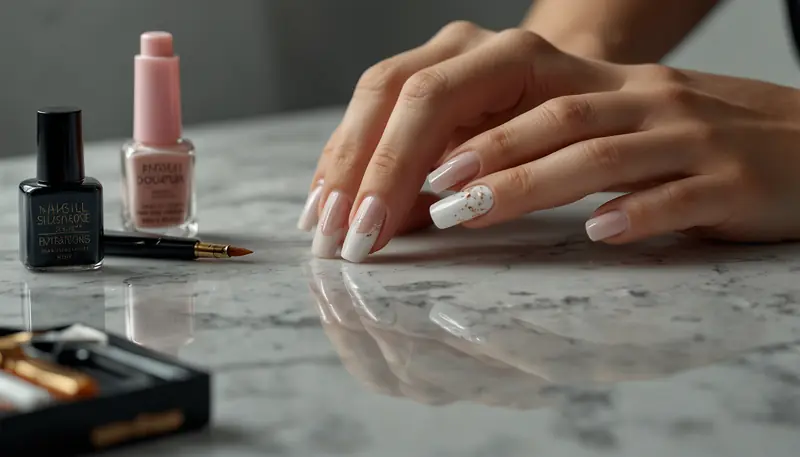
If you’ve ever applied press-on nails or artificial nail enhancements, you might wonder, “Is nail glue the same as super glue?” Although both adhesives are cyanoacrylate-based and have some similarities, they are NOT interchangeable. Understanding the differences is crucial for keeping your nails healthy and achieving great results.
Using the wrong adhesive can damage your natural nails, cause irritation, and lead to poor application results. This guide explores the key differences between nail glue and super glue, helping you make informed decisions for your nail care routine.
Understanding Nail Glue vs Super Glue
Nail glue and super glue are both cyanoacrylate adhesives. This is the main reason many people think they are the same product. However, the formulation, additives, and intended use for each product differ significantly. Nail glue is specifically designed for use on human skin and nail surfaces, while super glue is meant for bonding hard materials like plastic, metal, and ceramic.
The confusion occurs because both products work through a similar chemical process. When cyanoacrylate contacts moisture (like that on your skin or nails), it undergoes rapid polymerization, creating a strong bond. Yet, what works for metal or plastic does not necessarily mean it is safe or effective for nail applications.

Why the Confusion Exists
People often ask if they can use super glue instead of buying nail glue because they seem similar in strength and bonding ability. Some budget-conscious individuals have attempted this to save money. This misconception has circulated in DIY beauty communities, so it’s important to clarify the actual differences between these products.
Chemical Composition Differences
Both products contain cyanoacrylate as the primary active ingredient, but the concentration and additives vary greatly. Nail glue usually has a lower concentration of cyanoacrylate (between 60-70%) compared to super glue, which often contains 99% or higher concentrations.
Nail glue manufacturers add specific ingredients to make the product gentler on skin and nails while still providing strong adhesion. These additives may include plasticizers to increase flexibility and other compounds that reduce the risk of bonding skin accidentally. Super glue has fewer additives and is made for maximum bonding strength.

- Nail glue: 60-70% cyanoacrylate with skin-safe additives
- Super glue: 99%+ cyanoacrylate with minimal additives
- Nail glue: Designed for flexibility and skin-friendly use
- Super glue: Made for strong rigid bonds
- Nail glue: Contains elements that reduce skin irritation
- Super glue: Focuses on structural strength, not skin safety
Viscosity and Application Consistency
Another important difference is viscosity. Nail glue has a thicker consistency that allows for controlled application and precision. This thicker formula helps prevent the adhesive from running into cuticles or surrounding skin. Super glue, on the other hand, is thinner and made to seep into small gaps between solid materials.
This difference in consistency makes nail glue better for nail applications. You can apply it in small, precise amounts and maintain control. Using super glue could cause it to run everywhere, making a mess and possibly bonding your fingers together or irritating your skin.
Safety Concerns and Health Impact
Using super glue on nails introduces health risks that nail glue manufacturers consider carefully. Understanding these safety concerns is essential for anyone thinking about using non-specialized adhesives on their nails.

Skin Irritation and Allergic Reactions
Super glue has high concentrations of cyanoacrylate that can cause significant skin irritation on contact. People with sensitive skin may experience redness, swelling, burning sensations, or allergic reactions when exposed to super glue. Nail glue is designed with ingredients that help minimize these reactions for people with typical skin sensitivity.
If super glue touches the skin around your nails, it can lead to painful irritation that may last for hours or even days. The cuticles and delicate skin around your nail beds are especially vulnerable to irritation from harsh chemicals not made for cosmetic use.
Nail Damage and Brittleness
Super glue’s extreme strength can damage your natural nails during removal. Since super glue forms a rigid bond, removing nails applied with it often requires force that can tear and weaken natural nails. Nail glue is made with plasticizers for flexibility, allowing for gentler removal that preserves nail health.
Repeatedly using super glue can result in brittle nails, peeling, and long-term damage to your nail beds. That is why professional nail technicians emphasize the importance of using proper nail glue designed for cosmetic applications.
Accidental Skin Bonding
Super glue’s thin consistency and intense bonding strength make accidental skin contact problematic. If your fingers stick together or to your nails, removing them can tear skin and cause injury. Nail glue’s thicker consistency and design make accidental bonding less likely and safer when it does occur.
Application Methods and Best Practices
Proper application technique is key for achieving salon-quality results with nail glue. Knowing how to apply nail adhesive correctly ensures strong, lasting wear while minimizing damage to your natural nails.

Preparation Steps Before Applying Glue
Before applying any adhesive, prepare your natural nails by pushing back cuticles, filing the nail surface lightly, and wiping away any oils or debris. Clean your nails with rubbing alcohol or a nail dehydrator to remove moisture, which ensures maximum adhesion. This preparation is vital for both nail glue and explains why super glue presents problems.
- Push back cuticles gently with a cuticle pusher
- File natural nails to smooth any ridges or bumps
- Wipe nails with rubbing alcohol or nail cleaner
- Allow nails to dry completely before applying the adhesive
- Use a nail file to slightly roughen the surface for better grip
Correct Nail Glue Application Technique
Apply a small amount of nail glue to either the artificial nail tip or your natural nail, but not to both surfaces. Using too much glue creates a mess and increases the risk of skin contact. Press the artificial nail firmly onto your natural nail at a 45-degree angle, then gradually lower it flat to release any air bubbles. Hold pressure for 10-15 seconds to ensure a strong bond.
For the best results with press-on nails, consider using the best short glue-on nails for beginners, which come with pre-measured sizes and detailed application instructions. These products work best with quality nail adhesives.
Cost Comparison and Value
While super glue costs less than nail glue, the price difference does not equate to equal value when used for nail applications. Investing in proper nail glue leads to better results, healthier nails, and fewer complications.

Price Breakdown
- Super glue: $3-7 per tube (industrial use)
- Nail glue: $5-15 per bottle (cosmetic use)
- Professional salon nail application: $20-60+ per service
- Cost of damaged nails needing treatment: Variable
- Long-term savings with proper products: Significant
The small price difference between nail glue and super glue becomes insignificant when you consider that using super glue could lead to damaged nails that need professional repair or treatment. Also, nail glue bottles often contain more product than super glue tubes, making the per-application cost even better.
Why Professional Nail Technicians Choose Nail Glue
Professional nail technicians always use nail glue designed for cosmetic applications. This choice reflects years of experience in the industry and an understanding of what works best for client health and satisfaction.
Industry Standards and Regulations
The beauty industry maintains strict standards for products used in cosmetic applications. Nail glues sold for beauty use must meet safety regulations and contain ingredients approved for skin contact. Super glue, in contrast, is regulated as an industrial adhesive with no safety requirements for skin contact.
Professional licensing boards and beauty industry associations recommend specific adhesive products and application methods. These recommendations exist because professionals have proven which products provide the best mix of safety, durability, and results.
Client Safety and Liability
Professional nail salons use approved nail glue products to protect their clients and minimize liability. If a technician used super glue and a client experienced skin irritation or nail damage, the salon could face legal consequences. This reality further highlights the industry’s preference for cosmetic-grade nail adhesives.
Common Mistakes When Using Adhesives on Nails
Even when using proper nail glue, people sometimes make mistakes that compromise results or increase the risk of damage. Being aware of these common errors helps you avoid them and achieve better application outcomes.
Using Excessive Amounts of Glue
One common mistake is applying too much nail glue. More glue doesn’t create a stronger bond; it just makes a mess and increases the risk of skin contact and irritation. A tiny amount on one surface is enough for a secure bond that can last weeks.
Applying Glue Without Proper Nail Preparation
Skipping the preparation steps leads to poor adhesion and early nail separation. Even the best glue won’t stick properly if your natural nails aren’t clean and prepped. This applies whether using nail glue or (if someone dared to try) super glue.
Pressing Nails at Wrong Angles
Applying artificial nails straight down traps air bubbles that weaken the bond. The correct technique starts at a 45-degree angle and gradually lowers to release air. This technique is more forgiving with properly made nail glue but nearly impossible with thin super glue.
If you’re new to applying artificial nails, check out the best short press-on nail kits for beginners that come with detailed guides and quality adhesives.
Not Allowing Proper Drying Time
Although cyanoacrylate bonds quickly, full strength develops over 24 hours. Using your nails actively right after application can stress the bond before it hardens completely. Waiting a full day before exposing your nails to water or activities ensures maximum durability.
How to Remove Nail Glue Safely
Proper removal technique is as important as correct application. Removing artificial nails incorrectly can cause more damage than the application itself. The removal method varies slightly depending on whether you used nail glue or (hypothetically) super glue.
Soaking Method for Nail Glue Removal
The safest way to remove nails applied with nail glue involves soaking. Soak your nails in warm water with a bit of dish soap or acetone (acetone works quicker). After 10-15 minutes, gently wiggle and peel off the artificial nails. If they resist, soak longer instead of forcing them off.
- Fill a bowl with warm water and acetone or soapy water
- Soak nails for 10-15 minutes until the adhesive softens
- Gently wiggle nails to loosen the bond
- Carefully peel off artificial nails, being patient with stubborn ones
- Use a soft tool to gently lift, never force or pry aggressively
- Treat your natural nails gently after removal
Why Super Glue Removal Is More Problematic
Removing nails bonded with super glue poses challenges because it creates a heavy, rigid bond resistant to standard removal methods. The soaking method may not be effective and could require harsh solvents or force that can damage your nails. This is another reason why nail glue is better for cosmetic nail applications.
Post-Removal Nail Care
After removing artificial nails, your natural nails need care and time to recover. Moisturize with cuticle oil or nail strengthening treatments. Avoid applying new artificial nails right away; give your natural nails at least a week to recover and regain strength. For guidance on maintaining healthy nails, check out short nail care tips to keep nails healthy and clean.
Alternatives to Traditional Nail Glue
If you’re concerned about using adhesive on your nails or want to explore other options, several alternatives to traditional nail glue exist. These alternatives offer different benefits and may be better suited to your needs.

Nail Tabs and Adhesive Strips
Nail tabs are double-sided adhesive strips that attach artificial nails to natural nails without liquid glue. They are reusable, water-resistant, and eliminate concerns about chemical exposure or skin irritation. While not as durable as quality nail glue, they are great for temporary wear or individuals with very sensitive skin.
Gel-Based Nail Adhesives
Some brands offer gel-based nail adhesives that feature gentler formulas while ensuring strong bonding. These products often include additional conditioning ingredients and provide longer setting times, allowing better control during application.
Jelly Nails and Nail Gels
If you want natural-looking nails without artificial enhancements, jelly nail products and strengthening gels provide alternatives. These products condition your natural nails while providing color and shine without using adhesives.
When choosing between artificial nail solutions, consider looking into the 10 best extra short press-on nails for small nail beds or the best clear short press-on nails, which work perfectly with quality nail glue formulations.
Professional Acrylic and Dip Powder Services
Instead of applying adhesive yourself, professional acrylic or dip powder services provide expertly applied artificial nails using top-quality products and techniques. Technicians have the knowledge and experience to apply and remove nails properly, minimizing the risk of damage.
Final Verdict: Nail Glue vs Super Glue
The answer to the question, “Is nail glue the same as super glue?” is a clear no. While both contain cyanoacrylate, their formulations, safety profiles, and best uses are entirely different. Nail glue is specifically made for cosmetic use on skin and nails, while super glue is meant as an industrial adhesive not suitable for this purpose.
Using super glue on nails exposes you to unnecessary risks including skin irritation, nail damage, and tough removal. The small cost savings do not justify potential health issues and poor results. Professional nail technicians, beauty industry standards, and dermatologists all recommend using cosmetic-grade nail adhesive specifically made for nail applications.
Whether you’re applying the best short press-on nails for everyday wear or trying out cute short nails ideas, always use products meant for beauty and cosmetic use. Invest in quality nail glue from trusted brands, follow the right application techniques, and your nails will look beautiful while staying healthy and strong.
For additional inspiration and tips on nail care and styling, check out resources about short nails square simple design ideas and simple short nails that are stylish yet low-maintenance. Understanding the right products and techniques helps you achieve the best nail look while protecting your natural nail health.