

The skin around your nose is some of the most delicate on your face, and it’s also one of the areas most prone to redness and irritation. If you’ve noticed your nose turning red after cleansing, you’re not alone. The good news is that with the right technique and products, you can keep this sensitive zone clean and calm without the inflammation. Understanding why this area reacts so easily is the first step to protecting it. Let’s walk through how to cleanse around your nose gently and effectively, so you can maintain a clear complexion without the unwanted redness.
Key Takeaways
The skin around your nose is thinner and more sensitive than other facial areas, making it prone to irritation. Over-cleansing and harsh rubbing are the main causes of redness in this delicate zone. Using a gentle, fragrance-free cleanser with the right technique prevents irritation. Pat drying instead of rubbing protects the skin barrier and reduces inflammation. Moisturizing immediately after cleansing locks in hydration and calms redness. If redness persists or worsens, consult a dermatologist to rule out underlying conditions.
Why Your Nose Area Gets Red So Easily
The skin around your nose is naturally thinner and more sensitive than the rest of your face. This area has a higher concentration of sebaceous glands, which means it produces more oil and can feel more reactive to products and friction. When you combine thin skin with frequent cleansing, you’re creating the perfect setup for irritation.
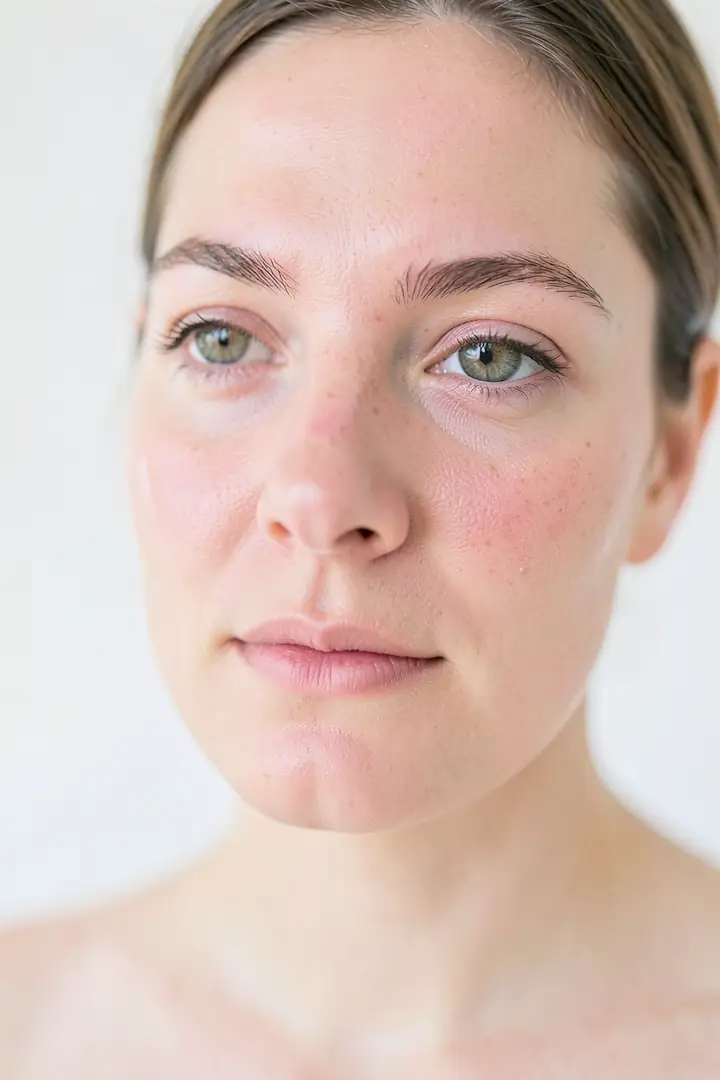
Think of your skin barrier like a protective wall. When you scrub too hard or use products that are too harsh, you’re essentially breaking down that wall. The redness you see is your skin’s way of saying it’s inflamed and trying to repair itself. The nose area is especially vulnerable because the skin is so thin that it doesn’t take much to trigger this response.
Many people also unconsciously rub or touch their nose throughout the day, which adds extra friction. Combined with aggressive cleansing habits, this constant contact can leave the area red and tender. Understanding this sensitivity is key to changing your approach and seeing real improvement.
Choose a Gentle Cleanser That Works
Not all cleansers are created equal, especially when it comes to sensitive areas like your nose. The cleanser you use around this zone should be fragrance-free, mild, and designed for sensitive skin. Avoid anything with strong acids, scrubbing particles, or essential oils, as these can trigger immediate redness and irritation.
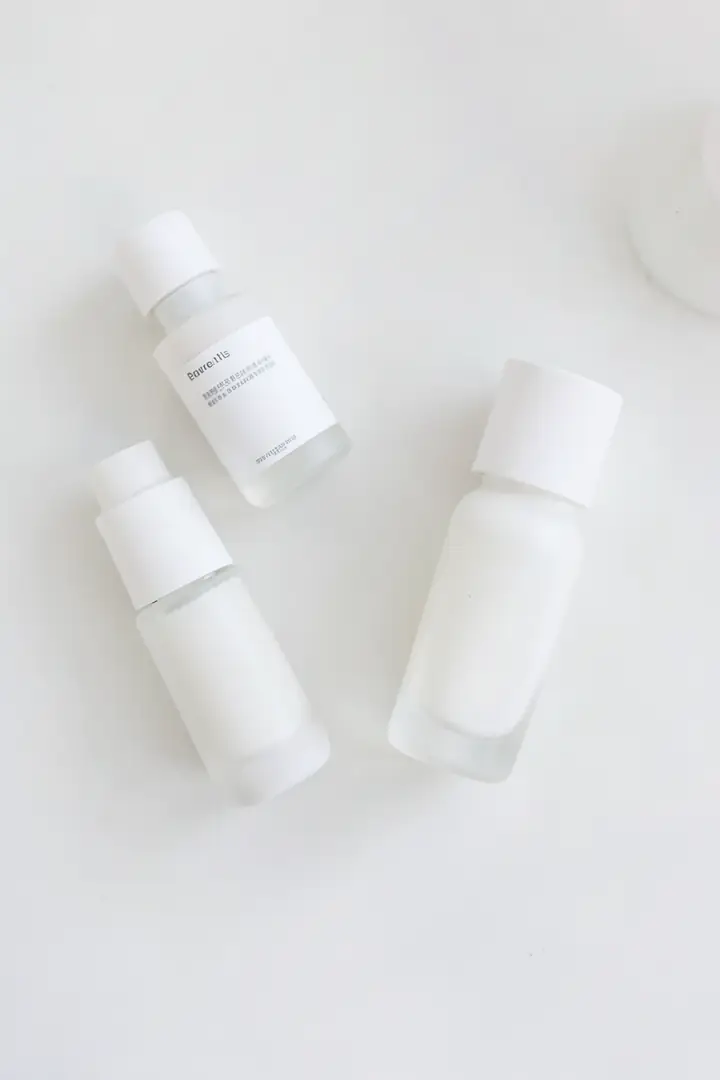
A hydrating cream cleanser or a gentle milk cleanser often works better around the nose than a foaming gel. If you already use a foaming cleanser on the rest of your face, it’s perfectly fine to switch to something gentler just for this area. Your skin won’t be confused by using two different cleansers. Look for ingredients like ceramides, glycerin, or hyaluronic acid, which support your skin barrier instead of stripping it.
If your current cleanser leaves your nose feeling tight, dry, or red, that’s a sign it’s too strong for this delicate zone. You don’t need a special “nose cleanser,” but you do need one that’s genuinely gentle. Read the ingredient list and skip anything with alcohol, fragrance, or harsh sulfates. Your nose will thank you for the switch.
The Right Technique Makes All the Difference
How you cleanse matters just as much as what you use. Start with lukewarm water, not hot. Hot water opens your pores and can leave your skin feeling more irritated, especially around the nose. Wet your face gently and apply a small amount of your gentle cleanser to your fingertips.

Using your fingertips rather than a washcloth or brush gives you more control and reduces friction. Gently massage the cleanser around your nose in upward, circular motions for about 20 to 30 seconds. The key word here is gentle. You’re not trying to scrub away oil or debris. You’re simply removing the day’s buildup with minimal pressure. Think of it as a light massage rather than a cleaning task.
Rinse thoroughly with lukewarm water, making sure all the cleanser is gone. Any residue left behind can irritate the skin and cause redness. Splash your face several times to ensure a complete rinse. This simple change in technique, from scrubbing to gentle massage, can dramatically reduce redness around your nose.
Pat Dry, Don’t Rub
After cleansing, how you dry your face is just as important as how you wash it. Instead of rubbing your nose with a towel, gently pat it dry. Rubbing creates friction that can trigger inflammation and redness, especially on already sensitive skin. Use a soft, clean towel and press it gently against your skin rather than dragging it across.
If you have a microfiber or ultra-soft cloth, that’s an even better choice. The gentler the material, the less irritation you’ll cause. Leave your nose slightly damp after patting. This damp state actually helps your next step, moisturizing, work more effectively because it allows the product to sink in better.
This small change in drying technique might seem minor, but it makes a real difference over time. Many people don’t realize how much damage they’re doing by rubbing their face dry aggressively. Your nose skin will feel calmer and look less red when you treat it with this level of gentleness.
Moisturize Right Away
Moisturizing immediately after cleansing is non-negotiable if you want to prevent redness around your nose. Even if your nose tends to be oily, this area still needs hydration. A hydrated skin barrier is a calm, less-reactive skin barrier. Apply your moisturizer to damp skin within a minute or two of cleansing for maximum absorption.
You don’t need a special nose moisturizer, but choose one that’s fragrance-free and designed for sensitive skin. A lightweight lotion or gel moisturizer works well if your skin is oily. If your nose is dry or irritated, a richer cream might be better. The goal is to lock in hydration and strengthen your skin barrier so it’s less prone to irritation.
If you’re dealing with active redness, consider applying your moisturizer and then a thin layer of a calming product with ingredients like niacinamide or centella asiatica. These ingredients soothe irritation and reduce inflammation. Consistent moisturizing is one of the most effective ways to stop the redness cycle.
Common Mistakes That Trigger Redness
Over-cleansing is probably the biggest culprit. If you’re washing your face more than twice a day, you’re likely stripping away natural oils and triggering more redness. Even if your nose feels oily, cleansing it more often won’t help. It will only make the problem worse by irritating the skin barrier further. Stick to twice daily, morning and night.
Using products with active ingredients like strong chemical exfoliants or benzoyl peroxide directly on your nose is another common mistake. These can be useful elsewhere on your face, but around your nose, they often cause more irritation than benefit. If you want to use these ingredients, apply them to the rest of your face but skip your nose, or use them only a few times a week.
Touching and rubbing your nose throughout the day adds up. If you have a habit of touching your nose when you’re thinking or stressed, try to catch yourself and stop. The more friction your nose experiences, the redder it will become. Also, avoid sleeping on your face if possible, as this puts pressure on your nose and can worsen redness overnight.
Using hot water and harsh towels compounds the problem. Even if you’re using a gentle cleanser, hot water and aggressive drying will still leave your nose red. These habits work against your efforts, so addressing them is crucial to seeing real improvement.
When to See a Dermatologist
If you’ve been following a gentle routine for two to three weeks and your nose is still red, it might be time to see a dermatologist. Persistent redness around the nose can sometimes indicate an underlying condition like rosacea, contact dermatitis, or a fungal infection. A professional can properly diagnose what’s happening and recommend treatment tailored to your specific situation.
You should also reach out to a dermatologist if your redness is accompanied by pain, swelling, itching, or any kind of discharge. These symptoms suggest something more than simple irritation from over-cleansing. Don’t wait if your skin is getting worse despite your best efforts to be gentle. A dermatologist can rule out conditions that need specific treatment and give you peace of mind.
Even if you don’t have severe symptoms, if redness is affecting your confidence or quality of life, it’s worth getting professional advice. Dermatologists can recommend prescription-strength products or treatments that over-the-counter options can’t provide. There’s no shame in seeking help, and you’ll likely see improvement much faster with professional guidance.
Frequently Asked Questions
How often should I clean around my nose?
Twice daily, morning and night, is ideal for most people. If you have oily skin, you might be tempted to cleanse more often, but over-cleansing strips away natural oils and triggers more redness. Stick to twice daily with a gentle approach, and use blotting papers during the day if you need oil control. This keeps your nose clean without overdoing it.
What ingredients should I avoid around my nose?
Skip harsh scrubs, strong acids, and fragrance in this area. Avoid benzoyl peroxide if your nose is already irritated, as it can be drying. Steer clear of products with alcohol or essential oils, which can sting and redden sensitive skin. Stick to simple, fragrance-free formulas designed for sensitive skin. Your nose will be much happier with a minimalist approach.
Can I use the same cleanser on my nose as the rest of my face?
You can, but only if it’s gentle and fragrance-free. If your regular cleanser leaves your nose red or tight, consider using a milder formula just for that area. Some people find a hydrating cream cleanser works better around the nose than a foaming gel, even if they use gel elsewhere on their face. There’s no rule against using two different cleansers.
Why does my nose turn red after cleansing?
Redness right after cleansing usually means the cleanser is too strong, you’re rubbing too hard, or the water is too hot. The skin around your nose is thin and sensitive, so it reacts quickly to friction and harsh products. If redness appears immediately, switch to lukewarm water, a gentler cleanser, and a softer touch. You should notice improvement within a few days.
Is it normal for the skin around my nose to be redder than other parts of my face?
It can be, especially if you have rosacea, sensitive skin, or you’re prone to congestion in that area. The nose has more oil glands and thinner skin, so it’s naturally more reactive. However, persistent redness that doesn’t improve with gentle care should be checked by a dermatologist to rule out conditions like rosacea or contact dermatitis. Professional guidance can help identify what’s really going on.
How long does it take for redness to go away?
If redness is from over-cleansing or irritation, it usually calms down within a few days to a week once you switch to a gentler routine. If you’ve had redness for longer than two weeks despite gentle care, or if it’s getting worse, see a dermatologist. Some skin conditions need professional treatment, so don’t hesitate to reach out if things aren’t improving.
Conclusion
Keeping the skin around your nose clean without triggering redness comes down to three core principles: gentleness, consistency, and patience. Choose a mild cleanser, use a soft technique with lukewarm water, pat dry instead of rubbing, and moisturize immediately. These simple steps respect your skin’s delicate nature and work with your body rather than against it.
Remember that your nose is unique and may need different care than the rest of your face. That’s completely normal and nothing to stress about. By listening to what your skin tells you and adjusting your routine accordingly, you’ll find the approach that keeps your nose clean, calm, and redness-free. If persistent redness doesn’t improve after a few weeks of gentle care, a dermatologist can help identify any underlying issues and recommend targeted solutions. Your skin deserves this level of thoughtfulness, and you deserve to feel confident in how your nose looks and feels.