
Eyebrow threading is one of the cleanest, most precise ways to shape your brows, but it does come with a temporary side effect: redness and sensitivity that can last anywhere from a few hours to a full day. If you’ve just walked out of the salon with pink, irritated skin around your brows, you’re not alone. Threading works by pulling hair from the root, which naturally irritates the delicate facial skin in that area. The good news is that with the right aftercare, you can calm things down quickly and get back to your normal routine. This guide walks you through exactly what to do in those first critical hours and days, what to avoid, and when to reach out to a professional if something doesn’t feel right.
Key Takeaways
– Threading causes redness because hair is pulled from the root, which temporarily irritates the skin
– Cool compresses in the first 2 to 4 hours are your fastest way to reduce inflammation
– Skip makeup, hot water, and active skincare products for at least 24 hours
– Gentle moisturizers and hydration speed up healing and calm sensitivity
– If redness, swelling, or irritation doesn’t improve within 48 hours, check with a dermatologist
Why Threading Leaves Your Skin Red and Sensitive
Threading pulls hair out from the root, not just cutting it at the surface like a razor would. This means the hair follicle and the surrounding skin experience a small trauma. Your body responds by sending blood to the area to help with healing, which is what creates that characteristic redness and warmth you see right after threading.
The skin around your eyebrows is also thinner and more delicate than other parts of your face, so it reacts more visibly to any irritation. Add in the fact that threading involves repeated tugging motions across the same small area, and it makes sense that you’d feel a bit of stinging or see noticeable flushing afterward. This is completely normal and temporary.
If you have sensitive, reactive, or easily irritated skin, the redness might be more pronounced or last a bit longer. Dry skin types sometimes experience extra sensitivity too, since there’s less natural moisture to buffer the irritation. Understanding this helps you stay calm knowing that what you’re seeing is your skin’s natural healing response, not a sign that something went wrong.
Cool Compresses and Ice: Your First Line of Defense
The first thing you should do when you get home is apply something cool to the area. Cold reduces inflammation, numbs discomfort, and helps constrict blood vessels, which makes redness fade faster. You don’t need anything fancy for this step.
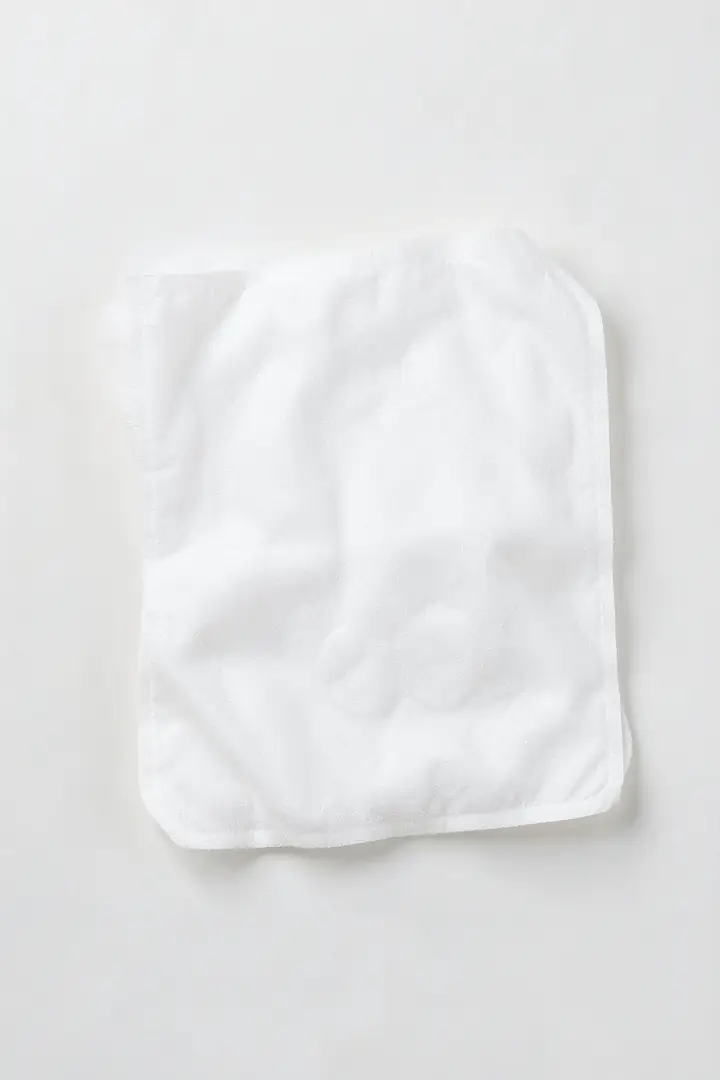
A clean, damp washcloth held under cool (not cold) running water works beautifully. Hold it gently against your eyebrows for 5 to 10 minutes. You can repeat this a few times over the first hour or two if needed. If you want to use ice, wrap it in a thin cloth first so it doesn’t shock your skin or cause ice burn. Never apply ice directly to your face.
Some people find that chilled aloe vera gel feels especially soothing. Keep a bottle in the fridge specifically for this purpose. The coolness plus the calming properties of aloe make it a two-in-one solution. Apply it gently with your fingertips, using a light patting motion rather than rubbing. This early cooling phase is crucial because it stops the inflammatory response before it gets worse, so don’t skip it even if the redness doesn’t look severe.
Gentle Hydration and Soothing Skincare for the First 24 Hours
Once you’ve cooled the area, your next move is gentle hydration. Your skin barrier has been disrupted by the threading, so it needs moisture and calm ingredients to recover. This is not the time for active ingredients like acids, retinoids, or vitamin C. Stick with simple, fragrance-free products that soothe rather than stimulate.
Aloe vera gel is a classic choice and works well for most skin types. If you prefer a heavier moisturizer, look for something with ceramides or centella asiatica (also called cica). Both ingredients help repair the skin barrier and reduce redness without causing irritation. Apply these products while your skin is still slightly damp from the cool compress, as this helps lock in hydration.
Avoid anything with fragrance, essential oils, or strong actives during this window. Even products you normally use without issue can feel stinging or uncomfortable on freshly threaded skin. If you’re not sure whether a product is safe to use right now, wait. It’s better to keep things minimal for 24 hours than to accidentally trigger more irritation.
What to Skip: Avoid These Products and Habits After Threading
Just as important as knowing what to do is knowing what not to do. The first 24 to 48 hours after threading are a healing window, and certain habits or products can set back your progress.

Makeup and Heavy Products
Skip makeup for at least 24 hours after threading. Your skin has tiny open follicles and micro-tears from the hair removal process, and makeup can trap bacteria and irritants in those spaces. This can lead to bumps, prolonged redness, or even infection. If you absolutely need coverage before 24 hours have passed, wait at least 4 to 6 hours, use a clean brush or applicator, and choose mineral-based products that are less likely to irritate. Remove it gently with a soft cloth and lukewarm water.
Hot Water and Heat
Avoid hot showers, saunas, steam rooms, and intense exercise that makes you sweat heavily for at least 24 hours. Heat increases blood flow to the area, which makes redness worse and can prolong irritation. Stick to lukewarm water when you wash your face, and be extra gentle around the eyebrow area.
Active Skincare Ingredients
Hold off on acids, retinoids, vitamin C serums, and other active ingredients for at least 48 hours. These are designed to stimulate your skin, which is the opposite of what you want right now. Your goal is to calm and protect, not to treat or transform. You can resume your normal routine once redness has completely faded and your skin feels back to normal.
Touching or Picking
Keep your hands away from the threaded area as much as possible. Touching introduces bacteria, can cause bumps or ingrown hairs, and delays healing. If you notice small bumps forming, resist the urge to pick or squeeze them. Let them settle on their own, which they usually do within a day or two.
Moisturizing and Sun Protection for Faster Healing
Once you’re past that initial 24-hour window, keep moisturizing generously. Your skin is still in recovery mode and needs extra hydration to rebuild its barrier. Use a gentle, fragrance-free moisturizer morning and night. If your skin feels particularly dry or sensitive, you can apply moisturizer twice a day or use a richer formula.
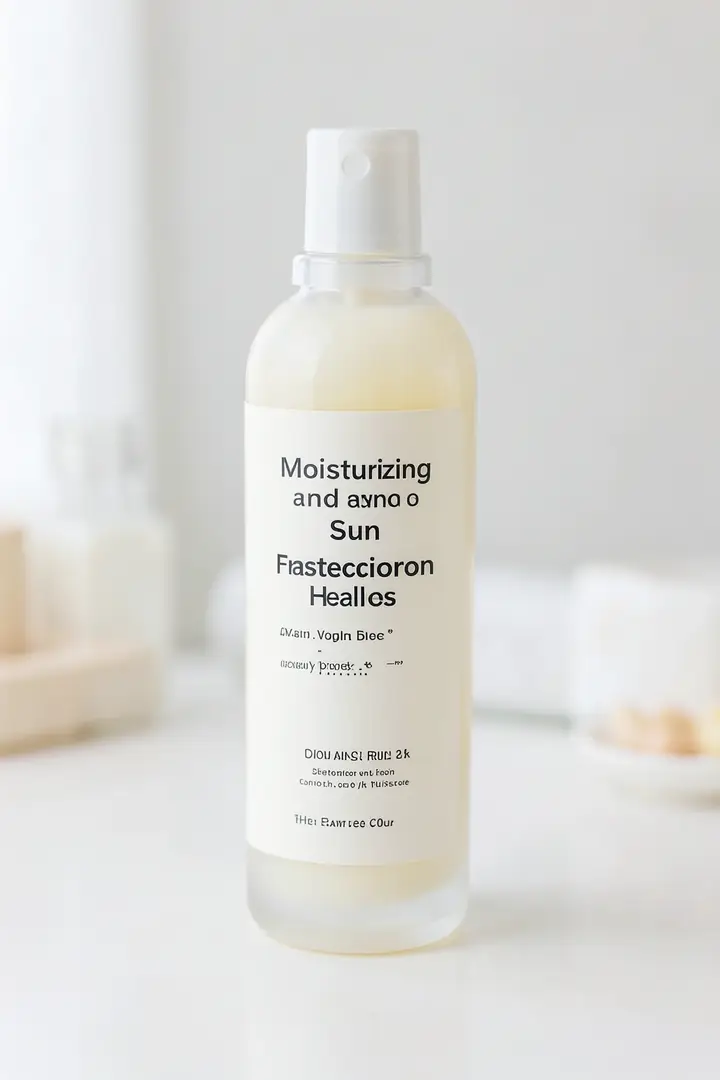
Sun protection is equally important. UV exposure can darken post-threading redness and slow down healing. Starting the day after threading, apply a broad-spectrum sunscreen with SPF 30 or higher to the area. Choose a mineral or physical sunscreen if your skin is extra sensitive, as chemical formulas can sometimes sting irritated skin. Reapply every two hours if you’re spending time outdoors.
If you’re concerned about how to clean facial pores properly during recovery, keep it simple. Use only lukewarm water and a gentle cleanser, and avoid any scrubbing motions around the eyebrows. How to clean facial pores after intense activity applies here too: gentle, minimal touch is best. Your skin will thank you by healing faster and looking clearer once the redness fades.
When to Reach Out to a Professional
Most redness and sensitivity after threading fade within 2 to 4 hours, with any remaining mild irritation settling within 24 hours. However, some signs warrant a check-in with a dermatologist or your threading professional.
If redness is still significant after 48 hours, spreading beyond the threaded area, or getting worse instead of better, that’s worth investigating. The same goes for swelling that feels puffy or tight, or if you develop bumps that are painful, filled with pus, or spreading. These could signal an infection or an allergic reaction to something used during the threading process.
Minor bumps that appear as small raised spots are usually just your skin’s normal reaction to hair removal and tend to settle within a day or two. But if bumps are tender, multiplying, or showing signs of infection, reach out to a dermatologist. It’s better to get professional eyes on it than to worry or try to treat it yourself.
If you have a history of very sensitive skin, folliculitis, or keloid formation, mention this to your threading professional before your appointment. They can take extra precautions or recommend specific aftercare steps tailored to your skin type.
Frequently Asked Questions
How long does redness last after eyebrow threading?
Most people see redness fade within 2 to 4 hours, though some sensitivity can linger for up to 24 hours depending on skin type. If you have very sensitive or reactive skin, it might take a bit longer. Using cool compresses and gentle moisturizers speeds up the process. If redness persists beyond 48 hours or gets worse, it’s worth checking with a dermatologist to rule out infection or an allergic reaction.
Can I wear makeup right after threading?
It’s best to skip makeup for at least 24 hours after threading. Your skin is temporarily open and irritated, and makeup can trap bacteria and irritants, making redness and sensitivity worse. If you absolutely need coverage, wait at least 4 to 6 hours and use a clean, mineral-based product. Always remove it gently with a soft cloth and lukewarm water.
What’s the best product to use after threading?
Stick with simple, fragrance-free products like aloe vera gel, a gentle hydrating moisturizer, or a soothing serum with ingredients like centella asiatica or chamomile. Avoid anything with acids, retinoids, vitamin C, or strong actives for at least 48 hours. If your skin is extra sensitive, plain aloe or a basic ceramide moisturizer is often the safest bet.
Is it normal to have bumps or small pimples after threading?
Minor bumps can appear as your skin reacts to the hair removal, but they usually settle within a day or two. However, if bumps are painful, filled with pus, or spreading, it could signal an infection or folliculitis. In that case, reach out to a dermatologist. To prevent bumps, keep the area clean, avoid touching it, and don’t use heavy creams that can clog pores right after threading.
Should I exfoliate after threading?
No, skip exfoliation for at least 3 to 5 days after threading. Your skin is already irritated and removing dead cells will only make it worse. Once redness has fully faded and your skin feels calm, you can gently reintroduce light exfoliation if you want. For now, focus on hydration and protection instead.
Can I use sunscreen after threading?
Yes, sunscreen is actually important after threading. Wait at least 2 to 4 hours, then apply a gentle, fragrance-free SPF 30 or higher. Sun exposure can darken post-threading redness and slow healing, so protecting the area is smart. Choose a mineral or physical sunscreen if your skin is extra sensitive, as chemical formulas can sometimes sting irritated skin.
Conclusion
Threading gives you beautifully shaped brows, and the redness that follows is just a temporary part of the process. By cooling the area right away, keeping your routine simple and gentle for the first 24 to 48 hours, and protecting your skin with moisturizer and sunscreen, you’ll help it heal as quickly as possible. Most people find that redness fades significantly within a few hours and is barely noticeable by the next day. The key is patience and restraint: resist the urge to apply makeup, use active products, or expose your skin to heat while it’s recovering. If anything feels off or redness doesn’t improve within 48 hours, don’t hesitate to reach out to a dermatologist. Until then, treat your skin gently, keep it cool and hydrated, and trust that this temporary irritation is completely normal and will pass.