
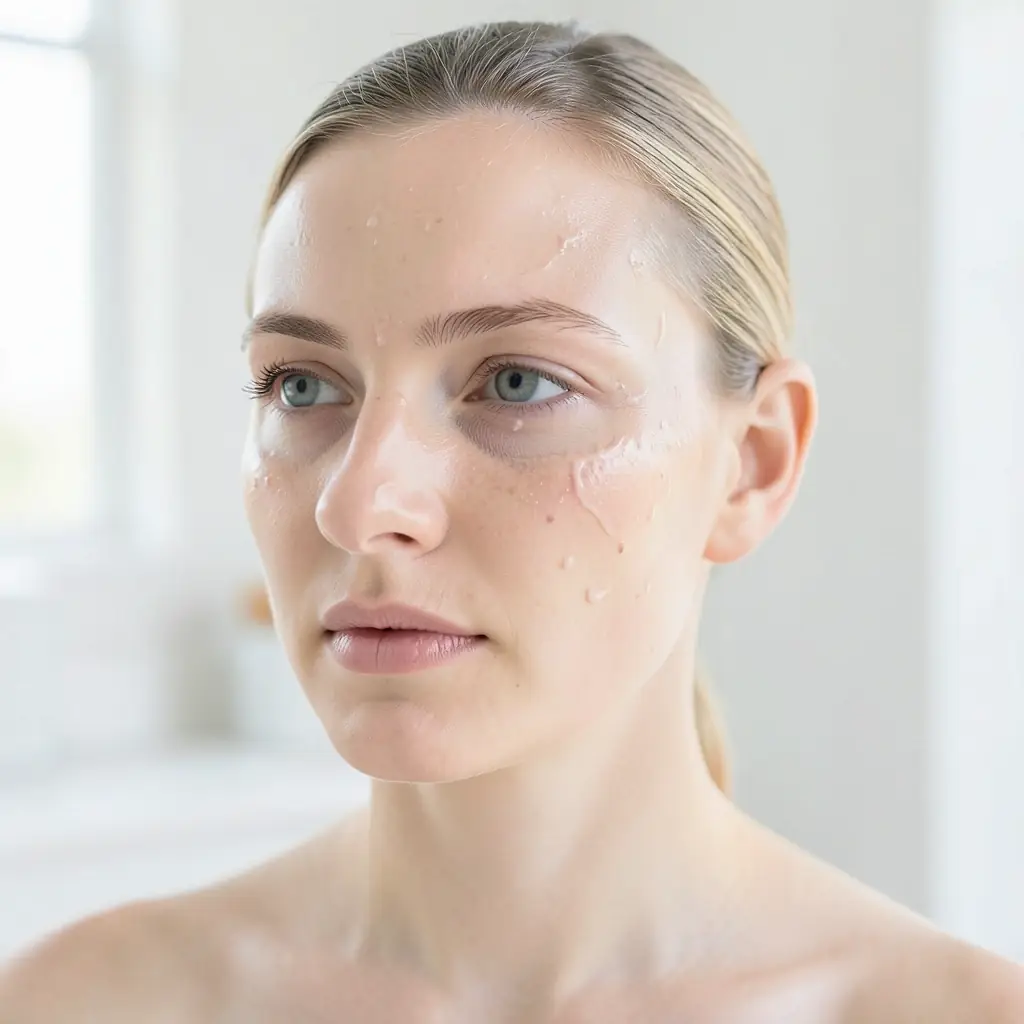
Your skin barrier is quietly working hard every single day to keep moisture locked in and irritants out. When it’s healthy, you barely notice it. But when it’s damaged, you’ll feel it right away—tight, flaky, red, and reactive skin that seems angry at everything. The good news? A damaged barrier is repairable, and often faster than you’d think. With the right gentle approach and a little patience, you can help your skin heal and get back to feeling comfortable again.
Key Takeaways
Your skin barrier is a protective outer layer that keeps moisture in and irritants out. When damaged, it leads to dryness, sensitivity, and irritation that can feel sudden and frustrating.
Common damage causes include over-exfoliation, harsh products, extreme weather, and frequent hot showers. Identifying what damaged your barrier helps you avoid repeating the mistake.
Repair starts with simplifying your routine: gentle cleansing, hydrating products with ceramides and hyaluronic acid, and consistent moisturizing. Less is more during the healing phase.
Avoid active ingredients like acids and retinoids while your barrier heals. You can slowly reintroduce them once skin feels stable, usually after 3 to 4 weeks.
Recovery typically takes 2 to 4 weeks with consistent care. Full healing can take 6 to 8 weeks, but patience and consistency matter more than quick fixes.
What Exactly Is Your Skin Barrier and Why It Matters
Your skin barrier, also called the stratum corneum, is the outermost layer of your skin. Think of it like a brick wall: the “bricks” are dead skin cells, and the “mortar” holding them together is made of lipids like ceramides, cholesterol, and fatty acids. This structure keeps water from escaping and prevents bacteria, pollution, and harsh chemicals from getting in.
When your barrier is intact, your skin feels smooth, hydrated, and resilient. It can handle a little stress without falling apart. But when the barrier gets compromised, those gaps in the wall let moisture escape and let irritants slip through. This is why damaged-barrier skin feels so reactive and uncomfortable—it’s literally more exposed.
A healthy barrier also regulates your skin’s pH and helps control inflammation. When it’s damaged, your skin becomes more prone to redness, irritation, and even acne or eczema flare-ups. This is why repairing it matters beyond just comfort—it affects your skin’s overall health and appearance.
Common Causes of Skin Barrier Damage
Understanding what damaged your barrier helps you avoid repeating the mistake. The most common culprit is over-exfoliation. Whether it’s physical scrubs used too often, chemical exfoliants applied daily, or a combination of both, stripping away too many dead skin cells leaves your barrier weakened.
Harsh cleansers are another major cause. If your cleanser leaves your face feeling tight or stripped, it’s probably damaging your barrier. Sulfates, alcohol, and overly foaming formulas can remove the natural oils that hold your barrier together.
Environmental factors play a role too. Cold, dry weather, harsh wind, and low humidity all pull moisture from your skin. Frequent hot showers and baths also damage the barrier because heat opens your skin and causes water loss. Even chlorinated pools and harsh tap water can contribute.
Overusing active ingredients like retinoids, vitamin C, or acids—especially when you’re new to them or using multiple actives at once—can overwhelm your barrier. Sometimes people try to “fix” one skin concern and accidentally damage their barrier in the process.
Stress, sleep deprivation, and certain medications can also weaken your barrier from the inside out. And if you have naturally sensitive skin or conditions like eczema or rosacea, your barrier may be more fragile to begin with.
Signs Your Skin Barrier Needs Help
A damaged barrier sends clear signals. The most obvious is sudden dryness that doesn’t improve with regular moisturizer. Your skin might feel tight, rough, or flaky even though you’re hydrating it. This happens because moisture is escaping faster than you can replace it.
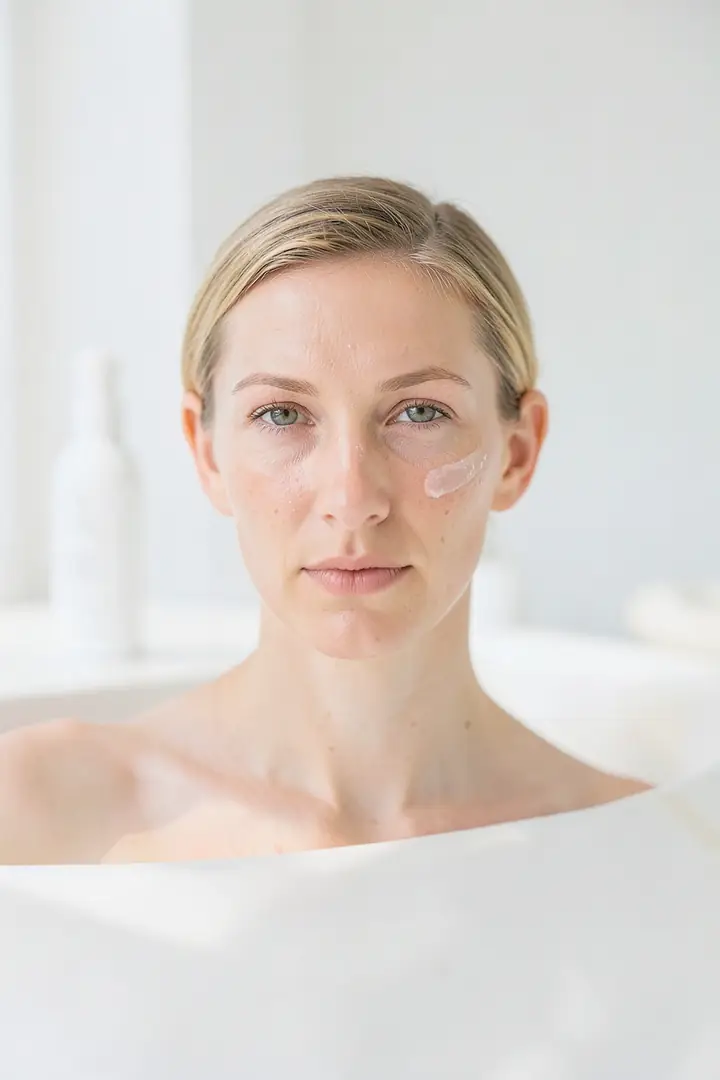
Increased sensitivity is another big red flag. Products that never bothered you before suddenly sting or burn. Your skin reacts strongly to temperature changes, wind, or even water. This heightened reactivity means your barrier isn’t protecting you the way it should.
Redness and irritation often appear without an obvious cause. You might see patches of inflamed skin or an overall flushed appearance. Some people also experience increased breakouts or a worsening of existing acne, since bacteria can more easily penetrate a compromised barrier.
A less obvious but telling sign is when your skin starts feeling uncomfortable during your normal routine. If your usual products suddenly feel too strong or your skin feels raw after cleansing, your barrier is likely compromised. Trust that feeling—it’s usually accurate.
Simplify Your Skincare Routine for Barrier Repair
The most important step in repairing your barrier is simplifying your routine. This is not the time for a 10-step skincare ritual or trying new products. Your skin needs stability and consistency, not experimentation.

Start with a gentle, creamy cleanser. Look for something that doesn’t foam aggressively and doesn’t leave your skin feeling stripped. Cream cleansers, milk cleansers, or oil cleansers are usually good choices. Use lukewarm water, not hot, and cleanse gently without rubbing or tugging.
Follow with a hydrating toner or essence if you want an extra hydration layer. This isn’t necessary, but it can help. Look for products with hyaluronic acid, glycerin, or hydrating plant extracts. Apply it to damp skin to help seal in moisture.
Next, apply a rich moisturizer. This is your main repair tool, so choose wisely. Your moisturizer should feel nourishing and leave your skin feeling soft, not tight. Apply it to damp skin so it locks in the water from your cleanser and toner.
If you use sunscreen during the day, choose a gentle, hydrating formula rather than a heavy-duty one. At night, you can use a thicker night cream or add a facial oil over your moisturizer for extra nourishment.
That’s it. Morning and night, just those three to four steps. Consistency matters more than complexity during repair. Stick to this routine for at least 2 to 4 weeks before adding anything else back in.
Best Products and Ingredients for Barrier Recovery
Certain ingredients are especially helpful for barrier repair because they directly support your skin’s natural structure. Ceramides are the MVP of barrier repair. They’re lipids that naturally exist in your skin barrier, and adding them topically helps fill in the gaps. Look for ceramides NP, AP, or EOP on ingredient lists.
Hyaluronic acid is another star player. It’s a humectant, meaning it draws water into your skin and holds it there. This helps plump your skin and reduce the appearance of dryness and sensitivity. It works best when applied to damp skin, so apply your hydrating products before your moisturizer fully dries.
Niacinamide is a gentle, multi-tasking ingredient that supports barrier function, reduces inflammation, and helps regulate oil production. It’s well-tolerated by most skin types and won’t irritate a compromised barrier. Many hydrating moisturizers include niacinamide, which is perfect for your repair phase.
Glycerin is a simple, effective humectant that’s been used in skincare for decades. It’s gentle, affordable, and helps your skin retain moisture. You’ll find it in most hydrating toners and moisturizers.
Cholesterol and fatty acids also support barrier repair because they’re part of your skin’s natural lipid structure. Many barrier-repair moisturizers include these alongside ceramides for comprehensive support.
Avoid looking for trendy ingredients during repair. Skip peptides, antioxidants, and botanical extracts for now—they’re nice-to-haves, not essentials. Focus on products that prioritize hydration and barrier support above all else.
What to Avoid While Your Barrier Heals
During barrier repair, you need to pause or avoid several things that might feel tempting but will slow your healing. First, stop all exfoliation—physical scrubs, chemical exfoliants, and even gentle enzyme masks. Your barrier needs a break from any kind of cell removal.
Put active ingredients on hold. This includes retinoids, vitamin C serums, alpha hydroxy acids (AHAs), beta hydroxy acids (BHAs), and benzoyl peroxide. These are all irritating to a compromised barrier, even if you’ve used them before without problems. You can reintroduce them slowly after 3 to 4 weeks, starting with lower concentrations and less frequent use.
Avoid hot water and long showers. Stick to lukewarm water and keep cleansing to about a minute. Hot water strips your skin and causes moisture loss. Similarly, avoid extremely cold water, which can shock and irritate sensitive skin.
Skip heavy fragrances and essential oils. Fragrance is a common irritant, and while it smells nice, it doesn’t help your barrier heal. Unscented or lightly scented products are your friend right now.
Don’t over-cleanse. Wash your face twice a day—morning and night—but no more. Some people feel tempted to cleanse extra times if they have oily skin, but this will only make barrier damage worse.
Avoid touching, picking, or over-manipulating your skin. I know it’s hard, but hands introduce bacteria and friction irritates already-sensitive skin. Try to keep your hands off your face during the healing phase.
Timeline and Realistic Expectations for Recovery
Recovery timelines vary depending on how severely your barrier is damaged and how consistently you follow a repair routine. Most people notice improvement within the first week or two—less tightness, slightly less redness, and a calmer overall feel.
By week two to three, visible changes become more obvious. Flakiness usually starts to improve, redness begins to fade, and your skin feels less reactive. Products that stung before might feel tolerable again. This is encouraging, but it doesn’t mean your barrier is fully healed yet.
Around week four, most people see significant improvement. Dryness and sensitivity are much better, your skin looks calmer, and you might feel confident enough to slowly reintroduce one gentle active ingredient if you want. This is a good checkpoint to assess how far you’ve come.
Full barrier recovery typically takes 6 to 8 weeks, though some people feel ready to resume their normal routine after 4 weeks. The key is listening to your skin. If it still feels tight, reactive, or uncomfortable, keep your routine simple a bit longer. There’s no prize for rushing.
Keep in mind that everyone heals at a different pace. Factors like your age, overall health, genetics, and how damaged your barrier was will all affect recovery time. Don’t compare your timeline to someone else’s—focus on your own skin’s signals.
Frequently Asked Questions
How long does it take to repair a damaged skin barrier?
Most people see noticeable improvement in 2 to 4 weeks with consistent, gentle care. Full recovery can take 6 to 8 weeks depending on how damaged your barrier is and how well you stick to a repair routine. Everyone’s skin heals at its own pace, so be patient with yourself.
Can I use retinol or vitamin C while repairing my barrier?
It’s best to pause active ingredients like retinol, vitamin C, and acids while your barrier heals. These can irritate compromised skin. Once your barrier feels stable and strong again, usually after 3 to 4 weeks, you can slowly reintroduce them one at a time, starting with lower concentrations.
Is a damaged skin barrier the same as sensitive skin?
Not exactly. A damaged barrier is temporary and caused by external factors like over-exfoliation or harsh products. Sensitive skin is often a natural skin type or condition. That said, a damaged barrier will make any skin type feel sensitive until it heals. Repairing it can help reduce that temporary sensitivity.
What’s the simplest routine to repair my barrier?
Stick to three steps: a gentle, creamy cleanser, a hydrating toner or essence with hyaluronic acid, and a rich moisturizer with ceramides. Use lukewarm water, avoid hot showers, and don’t over-wash. That’s it. Simplicity is your friend during repair.
Can I wear makeup while repairing my skin barrier?
Yes, but keep it minimal and gentle. Use a hydrating primer, a lightweight foundation or tinted moisturizer, and skip heavy powders. Make sure your makeup is easy to remove with a gentle cleanser. Let your skin breathe as much as possible during the healing phase.
Should I see a dermatologist if my barrier damage isn’t improving?
If your skin feels increasingly irritated, painful, or shows signs of infection like pus or spreading redness after 4 weeks of gentle care, it’s worth checking in with a dermatologist. They can rule out other conditions and recommend professional treatments if needed.
Conclusion
A damaged skin barrier is uncomfortable and frustrating, but it’s also fixable. The path to repair is straightforward: simplify your routine, focus on hydration and lipid-rich ingredients, avoid irritants and active ingredients temporarily, and give your skin time to heal. There’s no magic product or quick fix—just consistent, gentle care that respects what your skin needs right now.
The most important thing is to stop whatever was damaging your barrier in the first place. Whether that’s cutting back on exfoliation, switching to a gentler cleanser, or avoiding hot showers, identifying and eliminating the cause is half the battle. The other half is patience and consistency with your repair routine.
Remember that your skin is resilient. With a few weeks of thoughtful care, you’ll likely feel and see a significant difference. Your barrier will strengthen, your sensitivity will ease, and your skin will feel like itself again. Be kind to your skin during this phase—it’s working hard to heal, and you’re doing the right thing by supporting it.