
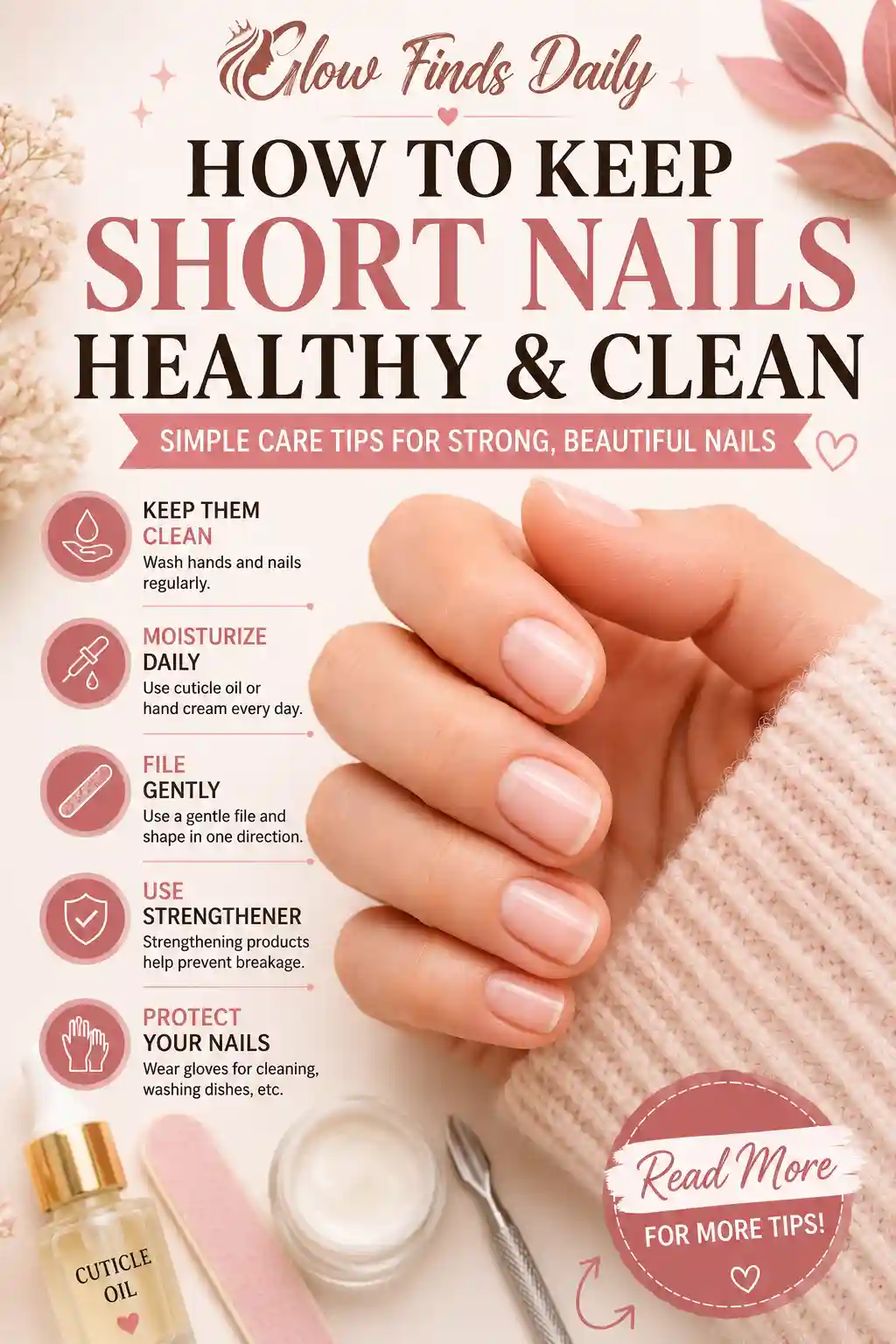
Short nails have a reputation for being easy. And in many ways, they are. But easy does not mean zero effort. If your short nails look dry, feel rough, or seem to chip faster than you expected, your routine might be missing a few small but important steps. This guide covers the most practical short nail care tips for keeping your nails clean, strong, and healthy without overcomplicating your daily routine.
Why Short Nail Care Still Matters
Short nails may not snag on things, but they are still exposed to the same daily stress as longer nails: water, soap, cleaning products, pressure, and dryness. The difference is that damage on short nails shows up faster because there is less nail to absorb it. A small chip or a dry cuticle is immediately visible at this length.
A consistent short nail care routine keeps your nails looking neat and reduces the kind of wear that leads to peeling, splitting, and breakage.
Short Nail Care Tips That Actually Work
1. Keep Your Nails at a Consistent Length
One of the most common mistakes is letting nails grow until they are uncomfortable and then cutting them back severely. That cycle puts repeated stress on the nail edge. Instead, trim or file lightly every few days to maintain a consistent short length. Your nails stay stronger and more even over time.
2. File in One Direction
Filing back and forth in a sawing motion creates tiny fractures along the nail tip. Those fractures spread and lead to peeling or breaking. Use a fine-grit file (180 to 240 range works well for natural nails) and move in one direction from the outer edge toward the center. Finish by gently smoothing the tip.
Coarse files are designed for acrylic and gel work, not natural nails.
3. Apply Cuticle Oil Daily
Cuticle oil is one of the simplest and most underused parts of a nail care routine. It keeps the skin around the nail soft, prevents dry hangnails, and helps the nail plate stay flexible rather than brittle.
Ingredients commonly found in effective cuticle oils include jojoba oil, argan oil, and vitamin E. Apply a small amount to each cuticle daily and massage it in. This takes about 30 seconds and makes a noticeable difference over a few weeks.
4. Push Cuticles Back Gently, Do Not Cut Them
Cuticles act as a seal that protects the base of the nail from bacteria and debris. Cutting them removes that protection. Gently pushing them back after a shower, when they are soft, is a safer approach. Use a soft rubber-tipped cuticle pusher rather than a metal tool, which is easier to control on short nails.
If you have dry or overgrown cuticles, a cuticle softener can help loosen them before pushing.
5. Moisturize Your Hands Regularly
Dry hands lead to dry nails. Applying a hand cream or lotion after washing your hands puts moisture back into the skin and nail area. Look for formulas that include ingredients like shea butter, glycerin, or ceramides, which help retain moisture rather than just sitting on the surface.
Keeping a small hand cream near your sink makes this easier to remember.
6. Wear Gloves During Wet Tasks
Repeated water exposure weakens nails. The nail plate expands when wet and contracts when dry. Frequent cycles of soaking and drying gradually break down the structure of the nail. Dishwashing, scrubbing, and cleaning products are common culprits.
Wearing rubber or latex gloves during these tasks is one of the most effective steps you can take for long-term nail health. It takes some getting used to but makes a real difference.
7. Use a Strengthening Base Coat
Even when you are not wearing nail color, a thin layer of strengthening base coat adds a light protective barrier to the nail surface. Some formulas include keratin, calcium, or similar ingredients that are designed to support nail structure. Results vary by product and individual nail type, so checking recent reviews before purchasing is worthwhile.
Apply one thin coat and let it dry fully. Reapply every few days or whenever it starts to wear off.
8. Reduce Acetone Use
Acetone removes nail polish efficiently, but it also strips the natural oils from the nail plate and surrounding skin. Using it frequently leaves nails feeling dry and brittle.
For everyday polish removal, a non-acetone remover is gentler. Reserve acetone for gel formulas or stubborn polish that needs more strength. After using any remover, apply cuticle oil or hand cream to replenish what was stripped.
9. Clean Under Nails Carefully
Short nails still collect debris under the free edge. A soft nail brush used during handwashing is the gentlest and most effective cleaning method. Avoid using sharp tools to scrape under nails, as this can separate the nail plate from the nail bed over time, a condition called onycholysis.
A simple nail brush at the sink makes this part of your routine rather than an occasional effort.
10. Avoid Using Nails as Tools
Opening packaging, picking at stickers, scraping surfaces, and prying things open all put pressure on the nail edge in ways it is not designed to handle. Short nails may feel sturdy, but side pressure is one of the fastest ways to cause a break or a chip.
Using your fingerpads instead of your nail tips for these tasks reduces daily mechanical stress significantly.
11. Let Your Nails Breathe Between Polish Cycles
Wearing polish continuously without a break can lead to yellowing, dryness, and surface dehydration. Going a few days between manicures without any product lets the nail plate recover. During this time, consistent cuticle oil use does the most good.
If your nails are already yellow from long-term polish use, gentle buffing and a break from color usually helps over several weeks.
12. Stay Hydrated and Eat Enough Protein
Nails are made primarily of keratin, a protein. A diet low in protein, biotin, zinc, or iron can affect nail quality over time. Foods like eggs, leafy greens, nuts, lean meats, and legumes support overall nail health alongside skin and hair.
Hydration matters too. Nails that look consistently dry, even with topical products, sometimes reflect low overall water intake.
If you suspect a nutritional gap is affecting your nails, a conversation with a healthcare provider is more reliable than guessing with supplements.
How to Build a Simple Short Nail Care Routine
You do not need a complicated routine to see results. Here is a simple daily and weekly approach that works well for most people.
Daily:
- Apply cuticle oil morning or evening
- Moisturize hands after washing
- Use your fingerpads, not nail tips, for tasks involving pressure
Weekly:
- File and shape nails as needed
- Apply or refresh strengthening base coat
- Clean gently under the free edge with a nail brush
- Push back cuticles gently after a shower
As needed:
- Remove polish with a non-acetone remover when possible
- Wear gloves during dishwashing or heavy cleaning
- Give nails a polish-free rest period between manicures
Product Categories Worth Exploring
These are general product types that support short nail care. Specific product choices should be based on your nail type, budget, and ingredient preferences.
Fine-grit nail files are suitable for natural nails and create smoother edges than coarse files.
Cuticle oils with jojoba, argan, or vitamin E are widely used and generally well-reviewed for daily nail care.
Nail strengthening base coats vary in formula. Some use keratin, some use calcium, and some are free of harsh chemicals. Checking for products labeled 5-free or 7-free is a reasonable starting point.
Hand creams with barrier ingredients like shea butter or ceramides help maintain overall hand and nail moisture.
Rubber gloves for household tasks are one of the least glamorous but most effective tools for protecting short nails.
Non-acetone nail polish removers are gentler for everyday use and easy to find at most beauty retailers.
Common Short Nail Care Mistakes to Avoid
- Cutting nails when completely dry, which increases the risk of splitting
- Filing immediately after soaking or showering when nails are soft and more vulnerable
- Skipping base coat because nails are short
- Using metal tools aggressively under the nail tip
- Cutting rather than pushing back cuticles
- Using the same coarse file intended for acrylics on natural nails
- Expecting fast results from products alone without adjusting daily habits
FAQs
How often should I moisturize short nails?
Daily moisturizing makes the most difference. Applying cuticle oil once a day and hand cream after each handwash keeps the nail area consistently hydrated. More frequent application is fine if your hands tend to dry out quickly.
Do short nails need a base coat?
Yes. A base coat protects the nail surface, adds a light structural layer, and makes polish last longer. It is useful at any nail length, not just for longer nails.
How do I keep short nails clean without damaging them?
Use a soft nail brush with mild soap during handwashing. Avoid scraping under the nail with sharp tools. This is the simplest approach that keeps nails clean without stressing the nail plate.
What causes short nails to peel?
Peeling usually comes from dehydration, acetone overuse, or water exposure. It can also come from using low-quality polish or peeling off polish rather than soaking it off. Consistent cuticle oil use and reducing acetone contact typically help over time.
Is cuticle oil necessary for short nails?
It is not mandatory, but it is one of the most effective parts of a short nail care routine. Healthy cuticles protect new nail growth at the base, and keeping them moisturized prevents dry, rough skin around the nail that can become painful.
How long before I see improvement in nail health?
Nails grow roughly 3 to 4 millimeters per month on average. Most people notice visible improvement after four to six weeks of consistent care. The nails you have now reflect habits from the past few months, so patience is part of the process.
Can I do short nail care at home without salon visits?
Yes. Most of the steps in a solid short nail care routine can be done at home with a few basic tools: a fine-grit file, cuticle oil, a cuticle pusher, a nail brush, hand cream, and a base coat. Salon visits can complement home care but are not required for healthy short nails.
Final Verdict
Short nails are easier to manage than long ones, but they still need consistent attention to stay healthy. The most impactful habits are daily cuticle oil, regular moisturizing, protective gloves during wet tasks, and gentle filing technique. These are simple, low-cost steps that build up into real results over several weeks.
Products help, but they work best alongside good habits rather than as a substitute for them. If your nails are consistently peeling, breaking, or changing texture despite a solid routine, checking in with a healthcare provider is a worthwhile step to rule out any underlying cause.
For more guidance, see our posts on why short nails keep breaking, everyday short nail ideas, and how to choose the right nail products for your routine.