
Hair fall can feel stressful, especially when you see extra strands on your pillow, comb, or shower drain. The truth is, no single fruit can magically stop hair fall overnight. Hair loss can happen because of genetics, stress, hormonal changes, illness, poor diet, low protein intake, thyroid issues, or nutrient deficiencies. MedlinePlus notes that poor nutrition, stress, disease, medicines, and family history can all contribute to hair loss.
But a healthy diet can support your scalp and hair follicles. Fruits are rich in vitamins, minerals, antioxidants, water, and natural plant compounds that help your body maintain healthier hair. The key is to eat them as part of a balanced diet, not as a replacement for medical treatment.
Can Fruits Really Help with Hair Fall?
Fruits can support hair health when hair fall is connected to poor nutrition, low antioxidant intake, or lack of key nutrients like vitamin C, folate, iron-supporting foods, and healthy fats. Vitamin C helps the body make collagen and also supports iron absorption, both of which are important for healthy tissues and overall hair support.
However, research also warns against overusing hair supplements without a diagnosed deficiency. A clinical review on diet and hair loss found that correcting real deficiencies can help, but there is limited evidence that supplements improve hair loss in people who are not deficient. It also warns that too much vitamin A, vitamin E, or selenium may actually worsen hair loss.
So the best approach is simple: choose whole fruits, eat a balanced diet, and avoid high-dose “hair growth” supplements unless advised by a doctor.
1. Guava
Guava is one of the best fruits for hair fall control because it is extremely rich in vitamin C. Vitamin C helps support collagen formation, which is important for skin and scalp structure. It also helps your body absorb non-heme iron from plant-based foods. Low iron can be linked with shedding in some people, so vitamin C-rich fruits can be useful in a balanced diet.
How to eat:
Eat fresh guava as a snack, add it to fruit salad, or blend it into a smoothie.
2. Kiwi
Kiwi is packed with vitamin C and antioxidants. It may help protect the body from oxidative stress, which is often discussed in relation to skin, scalp, and general wellness. Kiwi also contains vitamin E, folate, and other nutrients that support overall health.
How to eat:
Eat one kiwi with breakfast, mix it with yogurt, or add it to a smoothie bowl.
3. Papaya
Papaya contains vitamin C, vitamin A precursors, folate, and natural enzymes like papain. Vitamin A helps support normal skin function, while vitamin C supports collagen production. Papaya is also hydrating and easy to digest, making it a good fruit for daily beauty nutrition.
How to eat:
Eat ripe papaya in the morning, add it to fruit bowls, or mix it with yogurt.
Note: Avoid high-dose vitamin A supplements unless prescribed. Too much vitamin A from supplements can be harmful and has been linked with hair loss.
4. Berries
Strawberries, blueberries, raspberries, and blackberries are rich in antioxidants and vitamin C. These nutrients support general scalp health and help your body fight oxidative stress. Berries are also light, low-calorie, and easy to add to a daily diet.
How to eat:
Add berries to oats, yogurt, smoothies, or a healthy breakfast bowl.
5. Pomegranate
Pomegranate is rich in polyphenols and antioxidants. These plant compounds help support overall wellness and may help protect cells from oxidative stress. A healthy scalp environment is important for maintaining stronger-looking hair.
How to eat:
Eat pomegranate seeds directly, add them to salads, or mix them with yogurt.
6. Avocado
Avocado is technically a fruit and is a great choice for people with dry hair or a dry scalp. It contains healthy fats, vitamin E, and other nutrients that support skin and scalp nourishment. Healthy fats are important because extremely low-fat diets may affect overall hair quality.
How to eat:
Add avocado to toast, salads, smoothies, or egg bowls.
7. Citrus Fruits
Oranges, lemons, grapefruits, and sweet limes are excellent sources of vitamin C. Vitamin C supports collagen formation and helps with iron absorption. This makes citrus fruits useful for people who eat mostly plant-based meals.
How to eat:
Eat oranges as a snack, drink lemon water, or add citrus slices to salads.
8. Banana
Bananas are easy to find, affordable, and gentle on the stomach. They contain vitamin B6, potassium, and carbohydrates that support daily energy. While bananas are not a direct hair fall cure, they are a good supportive fruit in a balanced diet.
How to eat:
Eat one banana before breakfast, blend it into smoothies, or pair it with peanut butter for extra protein.
9. Mango
Mango contains vitamin C, beta-carotene, and antioxidants. It can support skin and scalp health as part of a balanced diet. Since mango is naturally sweet, portion control is important, especially for people watching blood sugar.
How to eat:
Eat fresh mango slices, add them to smoothies, or mix with yogurt.
10. Amla
Amla, also known as Indian gooseberry, is famous in South Asian hair care. It is rich in vitamin C and antioxidants. Eating amla can support nutrition from within, while many people also use amla oil or hair masks externally.
How to eat:
Try fresh amla, amla juice, or dried amla in small amounts. Avoid very sugary amla candies if your goal is healthy hair and skin.
Simple Hair-Friendly Fruit Routine
Here is an easy daily plan:
Morning: Papaya or guava
Midday snack: Orange or kiwi
Evening: Pomegranate or berries
With meals: Add avocado or banana when you need extra energy and healthy fats
You do not need to eat all of these fruits every day. Rotate 2–3 fruits daily and keep your meals balanced with protein, vegetables, whole grains, nuts, seeds, and enough water.
What to Avoid for Better Hair Health
Fruits can help, but your full diet matters. Too much sugar, crash dieting, low protein intake, and highly processed foods may affect overall hair quality. Also, avoid taking multiple “hair growth” supplements without testing or medical advice. Harvard Health notes that excessive vitamin A and selenium can lead to increased hair loss, and too much biotin can interfere with certain lab tests.
When Should You See a Doctor?
See a doctor or dermatologist if your hair fall is sudden, patchy, painful, itchy, or happening with fatigue, weight changes, scalp redness, irregular periods, or other symptoms. MedlinePlus advises medical attention for rapid hair loss, unusual patterns, scalp pain or itching, redness, scaling, or other body symptoms.
Final Thoughts
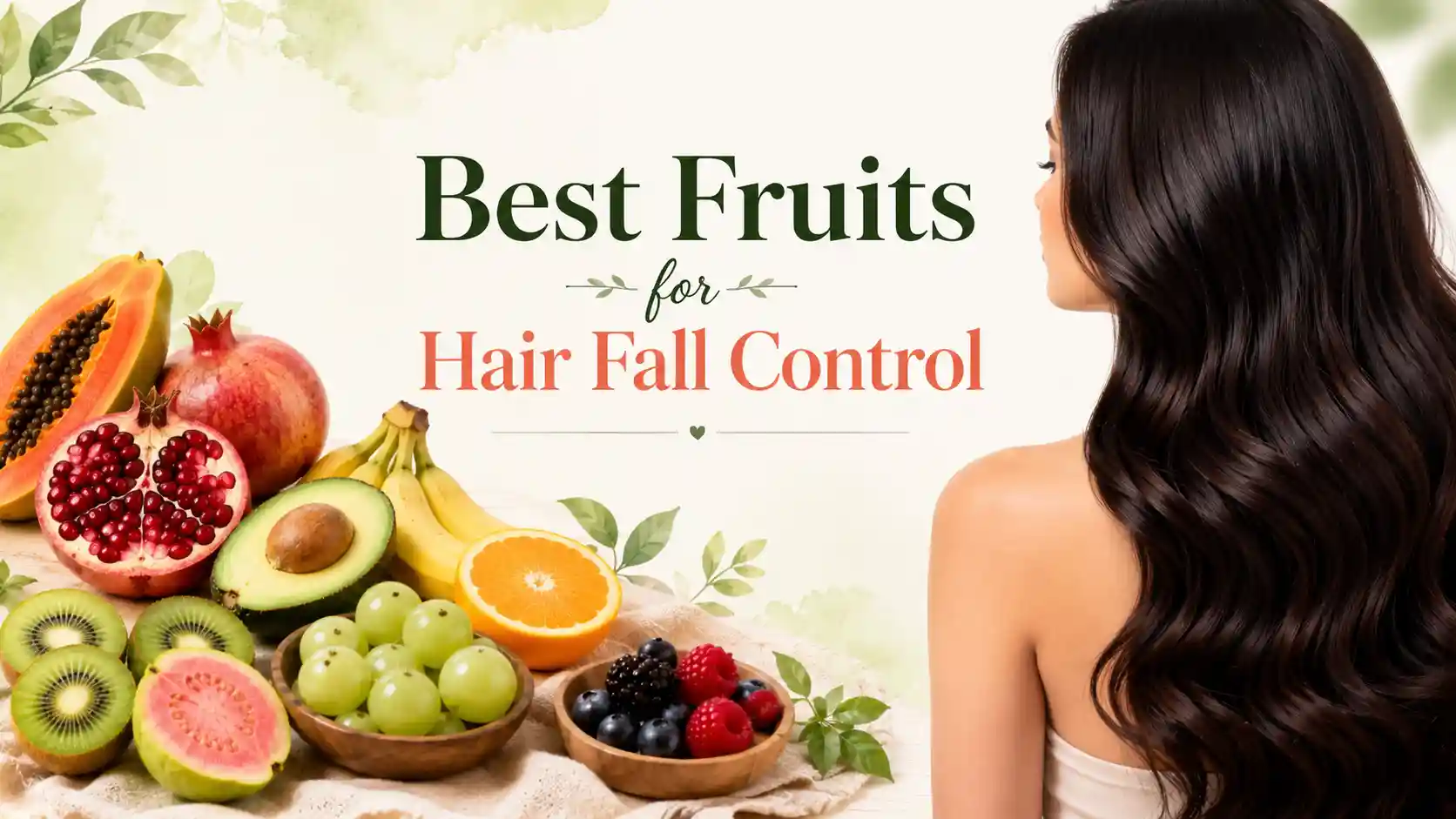
The best fruits for hair fall control are guava, kiwi, papaya, berries, pomegranate, avocado, citrus fruits, banana, mango, and amla. These fruits support your body with vitamin C, antioxidants, folate, healthy fats, and other nutrients that help maintain healthier hair from within.
But remember: fruits support hair health; they do not replace diagnosis or treatment. If your hair fall is severe or ongoing, find the root cause first. A balanced diet, stress control, gentle hair care, and professional guidance are the safest path to stronger, healthier-looking hair.
FAQs
Which fruit is best for hair fall control?
Guava, kiwi, amla, papaya, berries, and citrus fruits are excellent choices because they are rich in vitamin C and antioxidants.
Can fruits stop hair fall permanently?
No fruit can permanently stop hair fall. Fruits can support healthy hair, but hair loss may also be caused by genetics, hormones, illness, stress, or nutrient deficiencies.
Is banana good for hair fall?
Banana is a healthy supportive fruit. It provides vitamin B6, potassium, and energy, but it should not be treated as a direct cure for hair fall.
Is papaya good for hair growth?
Papaya contains vitamin C, vitamin A precursors, folate, and natural enzymes. It can support scalp and skin health as part of a balanced diet.
Should I take hair supplements with fruits?
Do not take high-dose hair supplements unless a doctor recommends them. Some nutrients can worsen hair loss when taken in excess.