
Key takeaways:
- Healthy hair starts with knowing your hair type, scalp condition, porosity, and daily styling habits.
- Choose gentle products that clean your scalp without leaving your hair dry, rough, or weighed down.
- Condition after every wash and deep condition regularly based on your hair’s dryness, damage level, and texture.
- Use less heat whenever possible, and always use heat protectant when blow-drying, straightening, or curling.
- Regular trims do not make hair grow faster from the scalp, but they help control split ends and support better length retention.
- A balanced diet supports stronger hair, while supplements should be used carefully and ideally only when a deficiency is suspected or confirmed.
- Nighttime protection, such as a silk or satin pillowcase, can reduce friction, tangles, frizz, and breakage.
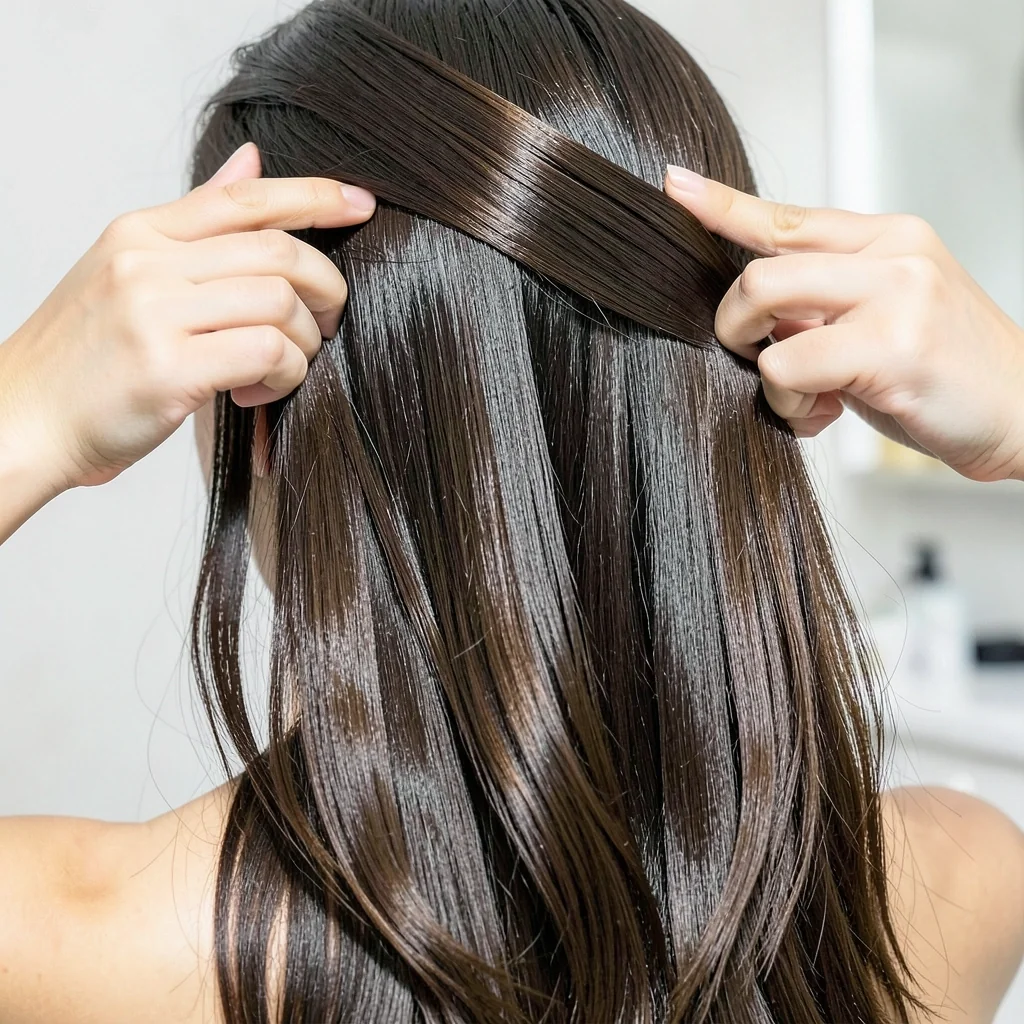
Beautiful hair does not come from one miracle product. It comes from small, consistent habits that protect the scalp, reduce breakage, and keep the hair fiber moisturized and manageable. The golden rules of hair care are simple, but they work best when you follow them regularly and adjust them to your own hair type.
Whether your hair is straight, wavy, curly, coily, oily, dry, color-treated, or heat-styled, the foundation is the same: cleanse gently, condition well, protect the hair from unnecessary stress, and support healthy growth from the inside. This guide breaks down the seven most important rules in a practical way so you can build a routine that actually fits your lifestyle.
For medical scalp problems, sudden hair loss, severe dandruff, irritation, or painful itching, it is best to speak with a board-certified dermatologist. This article is for general hair-care education and daily routine improvement.
Table of Contents
- Rule 1: Know Your Hair Type and Scalp Condition
- Rule 2: Use Gentle, Quality Products
- Rule 3: Condition and Deep Condition Regularly
- Rule 4: Minimize Heat and Use Protection
- Rule 5: Trim Regularly to Control Split Ends
- Rule 6: Nourish Hair From Within
- Rule 7: Protect Your Hair While You Sleep
- Quick Hair Care Routine by Hair Type
- Frequently Asked Questions
Rule 1: Know Your Hair Type and Scalp Condition
The first golden rule is to understand what your hair and scalp actually need. Hair care becomes confusing when you copy someone else’s routine without checking whether your own hair is oily, dry, fine, thick, curly, damaged, low porosity, or high porosity. A routine that makes one person’s hair soft and shiny may make another person’s hair flat, greasy, or frizzy.
Identify your hair texture and density
Hair texture usually falls into four broad groups: straight, wavy, curly, and coily. Density refers to how much hair you have on your scalp, while strand thickness refers to whether each strand is fine, medium, or coarse. These details matter because fine hair can become weighed down easily, while coarse or curly hair often needs richer moisture and more slip for detangling.
Curly and coily hair types are more likely to feel dry because natural scalp oils take longer to travel down the bends of the hair shaft. Straight hair often becomes oily faster near the scalp because sebum can move down the strand more easily. This is why washing frequency and product weight should be based on your hair type, not on a fixed rule from someone else’s routine.
Check your scalp condition
Your scalp is skin, and it needs care too. Some people have oily scalps, some have dry scalps, and others have sensitivity, flakes, buildup, or irritation. An oily scalp does not always mean your hair ends are oily. Many people have greasy roots and dry ends at the same time.
If your roots become greasy within hours, focus shampoo mainly on the scalp and keep heavy conditioners away from the roots. If your scalp feels tight or flaky, avoid harsh scrubbing and consider gentle moisturizing or dermatologist-approved scalp products. For more focused help, read this guide on how to take care of oily hair.
Understand hair porosity without overcomplicating it
Hair porosity describes how easily hair absorbs and holds moisture. Low-porosity hair may resist water and products at first. High-porosity hair may absorb moisture quickly but lose it quickly too. The popular water-glass test can give a rough clue, but it is not a perfect diagnosis because product buildup, strand thickness, and hair condition can affect the result.
A more practical method is to watch how your hair behaves. If water sits on your hair for a long time before soaking in, you may need lightweight products and warmth to help conditioner spread. If your hair dries very fast and feels rough, you may need richer conditioning, leave-in products, and sealing oils on the ends.
Rule 2: Use Gentle, Quality Products
The products you use regularly can either support your hair or slowly make it harder to manage. A good shampoo should clean the scalp without making the hair feel rough, squeaky, or stripped. A good conditioner should soften, detangle, and reduce friction without leaving heavy buildup.
Should everyone use sulfate-free shampoo?
Sulfate-free products are often helpful for dry, curly, coily, color-treated, or sensitive-scalp hair because they usually cleanse more gently. However, sulfates are not automatically bad for everyone. Some people with very oily scalps or heavy product buildup may occasionally benefit from a stronger cleanser or a clarifying shampoo.
The best approach is balance. If your current shampoo leaves your hair dry, tangled, frizzy, or tight at the scalp, switch to a gentler formula. If your hair feels coated, limp, or greasy even after washing, you may need occasional clarifying. The American Academy of Dermatology recommends applying shampoo mainly to the scalp instead of rubbing it through the full length of the hair, which helps clean buildup without over-drying the ends.
Look for ingredients that match your hair needs
For dry or textured hair, look for moisturizing ingredients such as aloe, shea butter, glycerin, argan oil, jojoba oil, and conditioning agents. For fine hair, choose lightweight formulas that rinse clean and do not leave the hair flat. For damaged or color-treated hair, bond-building or protein-supporting products may help improve the feel and manageability of the hair, but they should not replace gentle handling and trims.
A simple product lineup is enough for most people: shampoo, conditioner, a deep conditioner or mask, a leave-in product if needed, and a heat protectant if you use hot tools. You do not need a shelf full of products. You need the right basics used consistently.
Rule 3: Condition and Deep Condition Regularly
Conditioning is not optional if you want soft, manageable hair. Shampoo removes oil, sweat, dirt, and product buildup, but conditioner helps reduce friction, improve detangling, and smooth the outer layer of the hair. This is especially important because hair is more fragile when wet.
Regular conditioner vs. deep conditioner
Regular conditioner is designed for quick use after shampooing. It softens the hair, adds slip, and makes detangling easier. Deep conditioner or hair mask products are richer treatments that stay on the hair longer, usually around 10 to 30 minutes depending on the formula. They are useful when hair feels dry, rough, frizzy, or damaged from heat, coloring, sun exposure, or frequent styling.
If your hair is fine or easily weighed down, deep condition every two to three weeks. If your hair is curly, coily, bleached, heat-styled, or very dry, deep condition once a week or as needed. The goal is not to overload the hair; the goal is to restore softness and flexibility.
How to deep condition properly
- Apply the treatment mainly from mid-length to ends.
- Use a wide-tooth comb or your fingers to distribute the product gently.
- Follow the product timing instead of leaving it on randomly for hours.
- Rinse well so the hair does not feel sticky, heavy, or coated.
- Use a microfiber towel or soft T-shirt to remove excess water without rough rubbing.
Heat caps and warm towels may help some treatments spread more easily, but avoid using high heat. Warmth should feel comfortable, not hot. Overdoing heat during conditioning can defeat the purpose of a repair routine.
Rule 4: Minimize Heat and Use Protection
Heat styling can make hair look smooth and polished, but frequent high heat can weaken the hair fiber over time. Blow dryers, curling irons, flat irons, and hot brushes should be used carefully, especially on hair that is already dry, bleached, chemically treated, or breaking.
Why heat damage matters
Excessive heat can make hair dry, brittle, frizzy, dull, and more likely to break. Some heat damage cannot be fully reversed, although conditioning and bond-supporting products may temporarily improve softness and appearance. The safest strategy is prevention: lower heat, less frequent heat styling, and proper protection.
Dermatology guidance generally recommends letting hair air dry when possible, using low or medium heat settings, limiting hot-tool contact time, and applying heat protectant before heat styling. This is especially important for fragile, fine, curly, or color-treated hair.
Heat protection checklist
- Use heat protectant before blow-drying, straightening, or curling.
- Start with the lowest effective temperature.
- Do not hold a hot tool on one section for too long.
- Avoid straightening or curling soaking wet hair unless the tool is made for wet-to-dry use.
- Give your hair heat-free days each week.
- Try braids, buns, roller sets, twists, or air-dried styles when possible.
Rule 5: Trim Regularly to Control Split Ends
Trimming is often misunderstood. A trim does not make hair grow faster from the scalp. Hair growth happens from the follicle, not from the ends. However, regular trimming helps remove split ends and weak, rough tips before they travel higher up the strand and cause more breakage.
Why trims help with length retention
If you are trying to grow your hair, it may feel wrong to cut it. But when the ends are splitting and breaking, you lose length anyway. Small, regular trims can help your hair look fuller, smoother, and healthier while reducing the need for a major cut later.
A good general schedule is every 8 to 12 weeks, but this depends on your hair condition. Heat-styled, bleached, relaxed, or very damaged hair may need trims more often. Low-manipulation hair that is well protected may go longer between trims.
Signs you need a trim
- Your ends feel rough, dry, or scratchy.
- Your hair tangles more than usual near the bottom.
- Your ends look thin, uneven, or see-through.
- You see split ends or white dots on the strand.
- Your usual styling routine no longer gives a smooth result.
Use proper hair-cutting shears if you trim at home. Regular household scissors can create rough ends and make splitting worse.
Rule 6: Nourish Hair From Within
Hair-care products improve the hair you can see, but nutrition supports the hair that is growing from the scalp. Hair needs protein, iron, zinc, vitamin D, B vitamins, omega-3 fatty acids, and overall balanced nutrition. Deficiencies can contribute to shedding, weak strands, slow growth, or brittle hair.
Best foods for stronger hair
Protein-rich foods such as eggs, fish, chicken, lentils, beans, nuts, and seeds support keratin production. Iron-rich foods such as red meat, spinach, lentils, beans, and fortified cereals support oxygen delivery in the body. Vitamin C foods such as citrus, strawberries, and bell peppers can help the body absorb iron from plant foods.
Healthy fats also matter. Salmon, sardines, chia seeds, flaxseeds, walnuts, and avocado support scalp and skin health. For a deeper food-based approach, read this guide on natural hair growth foods.
Be careful with hair supplements
Biotin, collagen, iron, vitamin D, zinc, and omega-3 supplements are popular, but more is not always better. Supplements are usually most helpful when there is a real deficiency or a specific need. Taking high doses without guidance can be unnecessary, expensive, and sometimes risky. If you are experiencing sudden shedding, patchy hair loss, or long-term thinning, speak with a healthcare professional before starting supplements.
The safest daily foundation is simple: eat enough protein, include colorful fruits and vegetables, drink enough water, and avoid crash dieting. Hair growth is slow, so nutrition changes usually take months to show visible results.
Rule 7: Protect Your Hair While You Sleep
Nighttime hair care is easy to ignore, but it can make a big difference. While you sleep, your hair rubs against the pillow, tangles, loses moisture, and may break from friction. This is especially true for curly, coily, dry, long, bleached, or fragile hair.
Switch to silk or satin
A silk or satin pillowcase helps hair glide more smoothly compared with rough cotton. This can reduce friction, tangles, frizz, and breakage. If you do not want to change your pillowcase, use a silk or satin scarf or bonnet instead.
Use protective nighttime styles
Loose braids, twists, a low bun, or the pineapple method can keep hair organized while you sleep. Avoid tight ponytails or elastic bands that pull at the roots. Use soft scrunchies instead of thin rubber bands.
Do not sleep with soaking wet hair if you can avoid it. Wet hair is more fragile, and sleeping on it can increase tangles and breakage. If you wash your hair at night, gently squeeze out water with a microfiber towel or cotton T-shirt, apply leave-in conditioner if needed, and let it dry as much as possible before bed.
For dry ends, apply a small amount of lightweight oil such as argan, jojoba, or sweet almond oil to the last few inches of hair before sleeping. Use only a small amount so your hair does not feel greasy in the morning. Curly and coily hair may also benefit from a leave-in conditioner before wrapping or covering the hair.
Quick Hair Care Routine by Hair Type
| Hair type or concern | Best routine focus | Common mistake to avoid |
|---|---|---|
| Oily scalp | Cleanse the scalp regularly and keep conditioner on the lengths and ends. | Using heavy oils directly on the scalp every day. |
| Dry hair | Use moisturizing conditioner, deep condition regularly, and reduce heat styling. | Washing too often with harsh shampoo. |
| Fine hair | Choose lightweight products and rinse thoroughly. | Using too many heavy creams, butters, or oils. |
| Curly or coily hair | Prioritize moisture, gentle detangling, leave-in conditioner, and nighttime protection. | Brushing dry curls harshly or skipping conditioner. |
| Color-treated hair | Use gentle shampoo, deep conditioning, heat protection, and regular trims. | Frequent high-heat styling without protection. |
| Breakage-prone hair | Reduce friction, detangle slowly, trim damaged ends, and protect hair at night. | Tight hairstyles and rough towel drying. |
Frequently Asked Questions
What is the most important rule of hair care?
The most important rule is consistency. A gentle routine done regularly is better than using expensive products once in a while. Start with the basics: cleanse your scalp properly, condition your hair, reduce heat, protect your ends, and trim damage when needed.
How often should I wash my hair?
It depends on your scalp, hair type, lifestyle, and product use. Oily scalps may need more frequent washing. Dry, curly, coily, or thick hair may need less frequent shampooing. Wash when your scalp feels dirty, oily, itchy, or heavy with buildup.
Do trims make hair grow faster?
No. Trims do not change the speed of hair growth from the scalp. They help remove split ends and reduce breakage, which can make it easier to retain length and keep hair looking healthy.
Is heat protectant really necessary?
Yes, if you use hot tools. Heat protectant cannot block all damage, but it can reduce direct heat stress and improve the hair’s ability to handle styling. Use it before blow-drying, curling, or straightening.
Can diet improve hair growth?
A balanced diet can support healthy hair growth, especially when you are missing important nutrients such as protein, iron, vitamin D, zinc, or omega-3 fatty acids. However, diet changes take time, and sudden or severe hair loss should be checked by a healthcare professional.
Should I sleep with wet hair?
It is better to avoid sleeping with soaking wet hair because wet hair is more fragile and tangles more easily. If you wash at night, gently remove excess water, use a soft towel or T-shirt, and let your hair dry as much as possible before bed.
Final Thoughts
The golden rules of hair care are not complicated, but they require attention and consistency. Learn your hair type, choose gentle products, condition regularly, limit heat, trim damaged ends, eat a balanced diet, and protect your hair while you sleep. When these habits work together, your hair becomes easier to manage, less prone to breakage, and healthier-looking over time.
Start with one or two changes this week instead of changing everything at once. For most people, the fastest improvements come from using conditioner correctly, reducing heat, switching to a silk or satin pillowcase, and trimming damaged ends before they split further.