
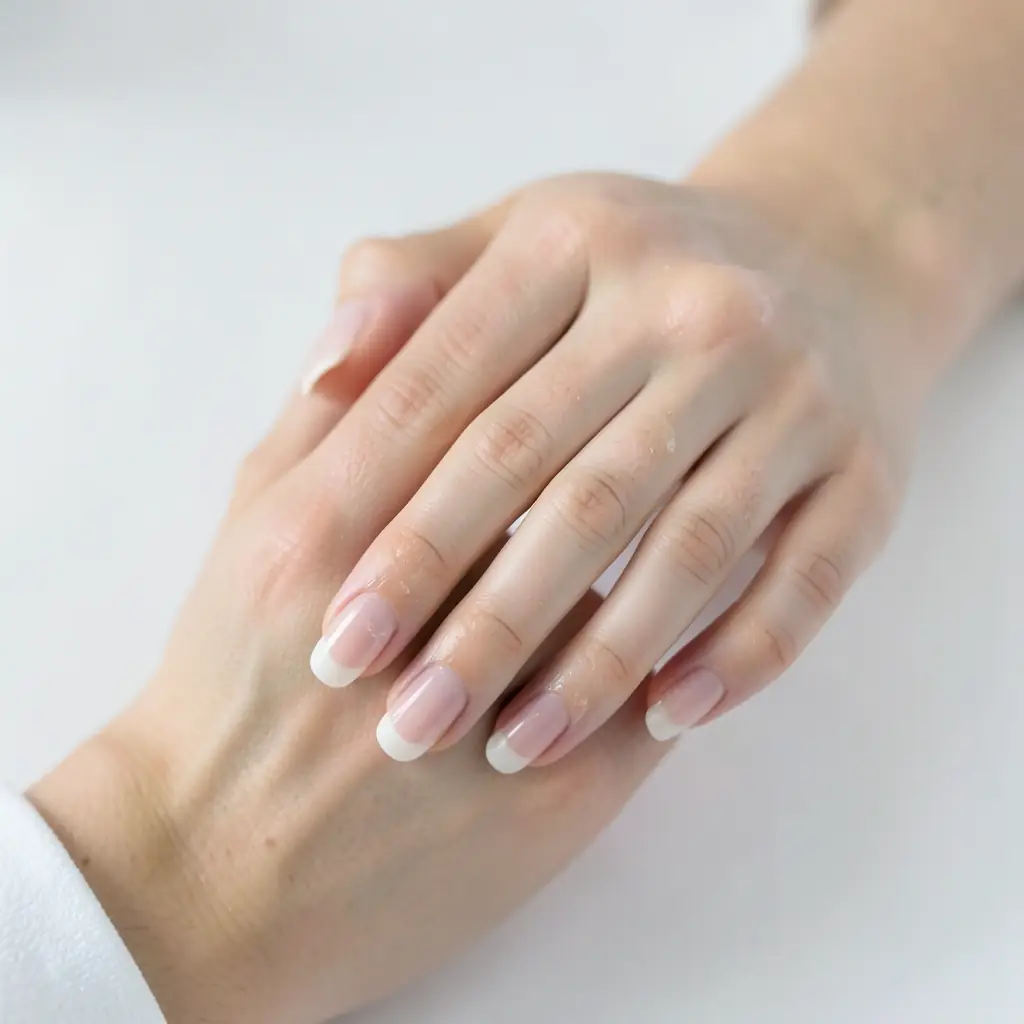
Water is essential for life, but it’s surprisingly harsh on your natural nails. If you’ve noticed your nails peeling, splitting, or feeling soft and bendy after a shower or dishwashing session, water damage is likely the culprit. The problem isn’t that your nails are weak by nature—it’s that repeated water exposure causes them to swell and shrink in a cycle that weakens their structure over time. The good news is that protecting your nails from water damage doesn’t require expensive treatments or complicated routines. Simple daily habits, like wearing gloves and moisturizing at the right time, can make a real difference in keeping your nails strong and healthy.
Key Takeaways
Water causes nails to swell and shrink repeatedly, weakening their structure over time. Wearing gloves during water-heavy tasks is the single most effective prevention method. Moisturizing nails immediately after water exposure locks in hydration and prevents damage. A consistent nail care routine with oils and creams makes nails more resilient to water. Limiting excessive water exposure and drying nails thoroughly are simple daily habits that protect nail health.
Why Water Damages Your Natural Nails (And How to Spot It)
Your nails are made of a protein called keratin, arranged in layers that overlap like roof shingles. When water soaks into your nails, it causes them to absorb moisture and swell up. This swelling temporarily makes your nails feel softer and more flexible—which is why it’s easier to file or cut nails right after a shower. The problem starts when that water evaporates and your nails shrink back down. This swelling and shrinking cycle, repeated over and over, creates stress on the nail structure and causes the layers to separate and peel.
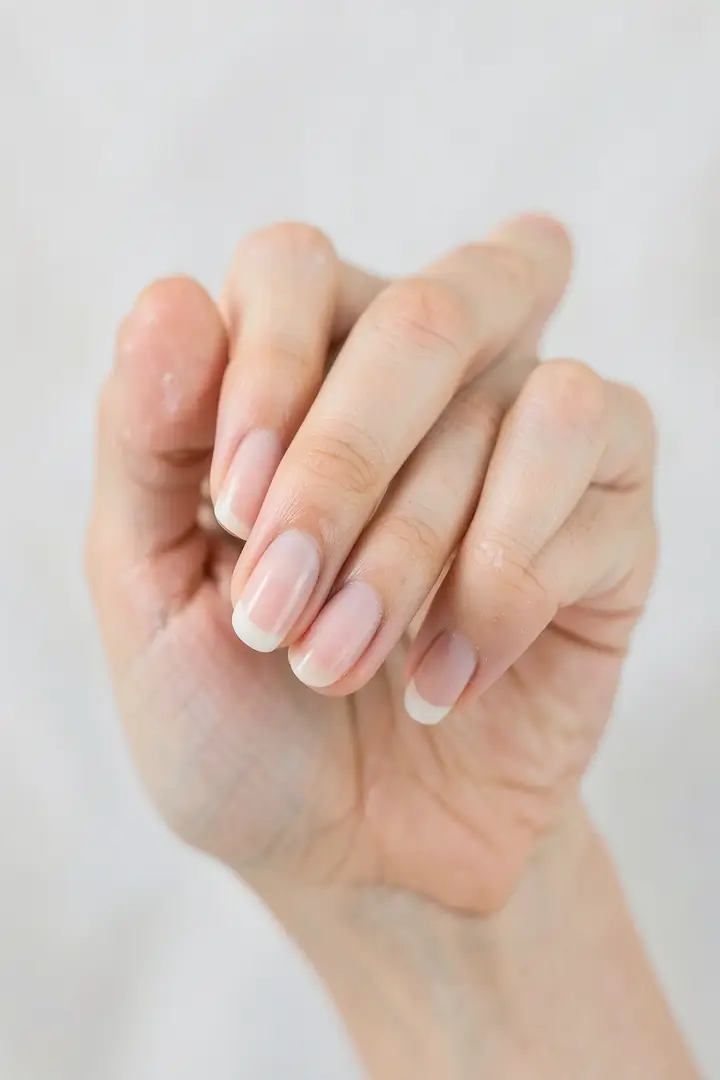
You might notice water damage appearing as white spots, horizontal lines, or peeling at the edges of your nails. Brittleness is another common sign—your nails might break or split more easily than they used to. Some people describe their nails as feeling soft or bendy, especially right after being in water. If you work in a wet environment, wash dishes frequently without gloves, or spend a lot of time swimming, you’re more likely to see these signs develop. The damage doesn’t happen overnight, but over a few weeks or months, the effects become noticeable.
The encouraging part is that once you understand what’s happening, you can prevent it. Your nails are constantly growing and renewing themselves, so new, healthier growth appears within about 6 to 8 weeks of protecting them properly. That means the damage you see now won’t be permanent if you start building better habits today.
Wear Gloves During Water-Heavy Tasks
Wearing gloves is hands down the most effective way to protect your nails from water damage. When you create a barrier between your nails and water, you stop the swelling and shrinking cycle before it even starts. This is why dermatologists and nail experts consistently recommend gloves as the first line of defense. You don’t need to wear them every single time you rinse your hands, but during activities where your nails are in contact with water for extended periods, gloves make a huge difference.
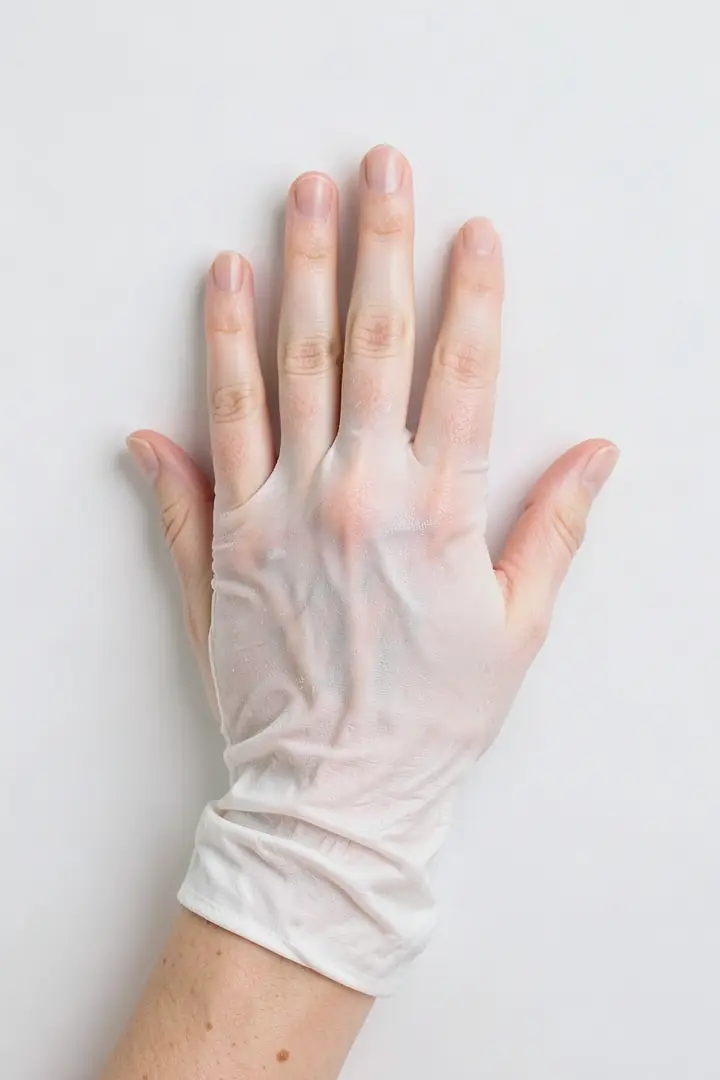
Think about your daily routine. Dishwashing, laundry, cleaning the bathroom, and bathing are all times when your nails are exposed to prolonged water contact. If you work in a job that involves frequent hand washing or water exposure—like healthcare, food service, or cleaning—wearing gloves during shifts is really worth it. Even just protecting your nails during these specific tasks can prevent a lot of damage over time.
Cotton-lined latex or nitrile gloves work best because they protect your nails while allowing your hands to breathe. Avoid thin plastic gloves that trap sweat, which can actually create a moist environment that damages nails. Make sure your gloves fit snugly at the wrists so water doesn’t seep in from the top. If you’re sensitive to latex, nitrile gloves are a great alternative that offer the same protection. Keep a pair in your kitchen and bathroom so you’re more likely to reach for them when you need them.
Moisturize Your Nails Right After Water Exposure
Even when you’re careful with gloves, your nails will still get wet sometimes. The key is what you do immediately after. Moisturizing your nails right after water exposure helps seal in hydration and prevents the drying and shrinking that causes damage. This timing matters more than you might think—applying oil or cream while your nails are still slightly damp helps them absorb the moisture better.
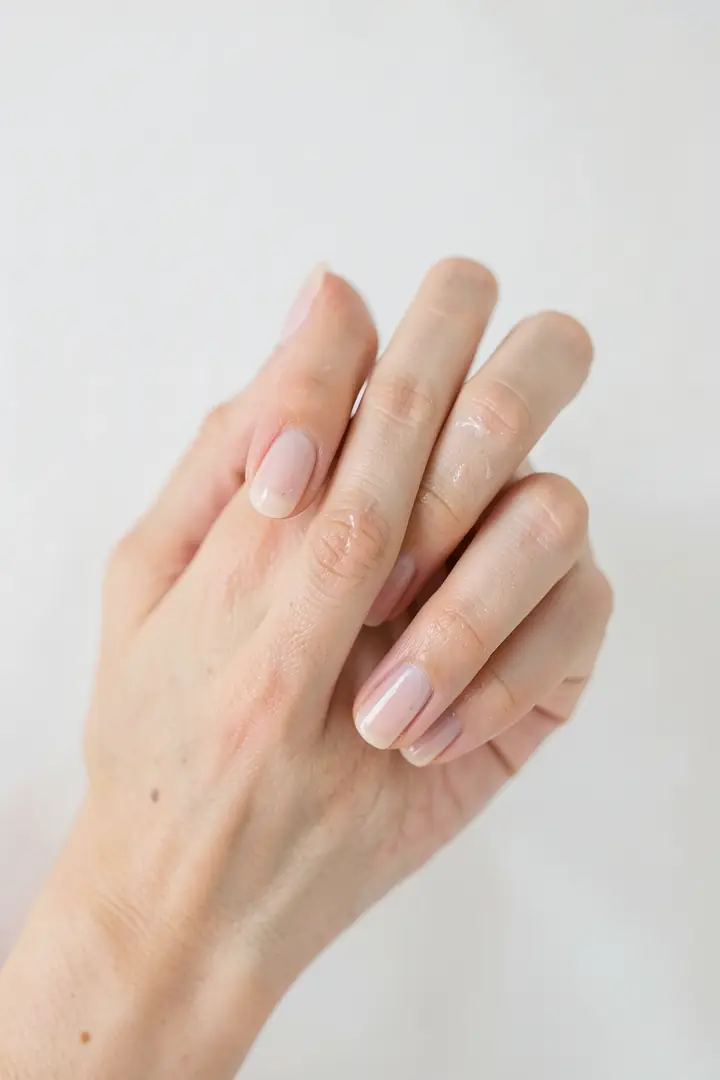
After a shower, washing dishes, or any water-heavy activity, gently pat your nails dry with a soft towel, then apply a nourishing cuticle oil or nail cream. Look for products with ingredients like jojoba oil, argan oil, vitamin E, or glycerin. These ingredients penetrate the nail structure and create a protective layer that locks in moisture. You don’t need much—just a small drop rubbed into each nail and around the cuticle area. This simple step takes less than a minute but makes a real difference in keeping your nails hydrated and strong.
If you wash your hands multiple times a day, you don’t need to apply oil every single time, but aim for at least once in the morning and once before bed. After activities like dishwashing or swimming, definitely apply moisturizer. Over time, this habit helps your nails stay more resilient and less prone to peeling and brittleness. You’ll start to notice your nails feel softer and more flexible, which is a sign they’re properly hydrated.
Build a Simple Daily Nail Care Routine
A consistent nail care routine strengthens your nails and builds their resilience against water damage. You don’t need anything complicated—just a few simple steps that take a few minutes a day. Start with a good cuticle oil that you apply every morning after washing your face, and again before bed. This keeps your nails hydrated throughout the day and night. In the morning, you’re protecting your nails before they face daily water exposure. At night, you’re giving them time to absorb moisture while you sleep.
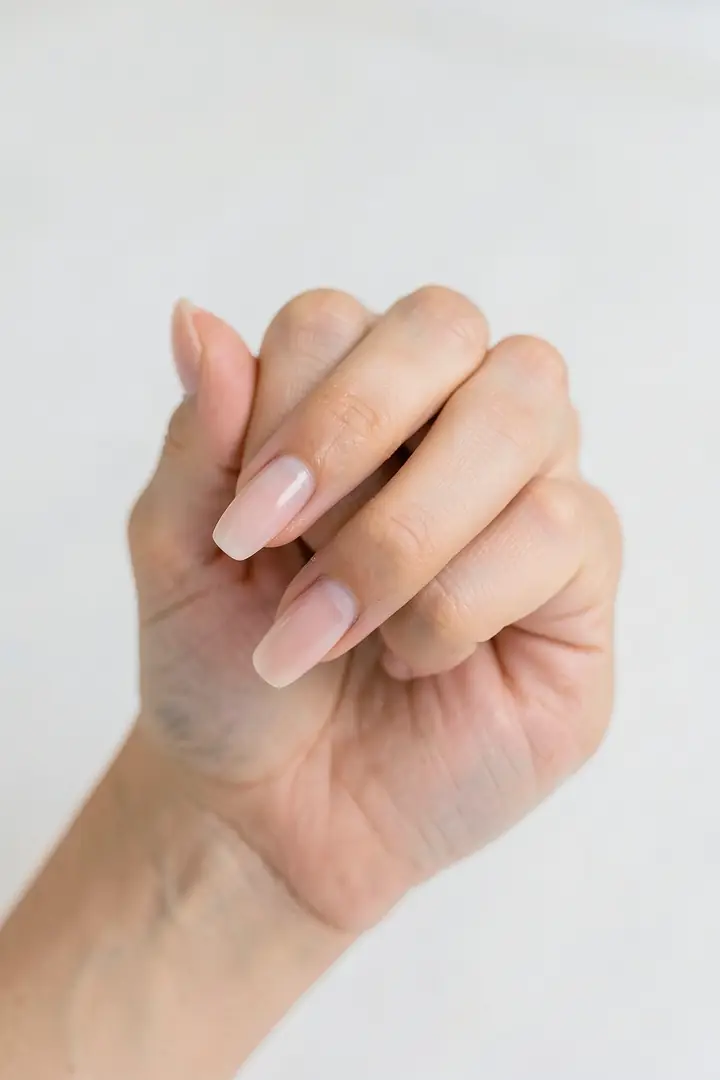
Once or twice a week, use a gentle nail strengthener or a richer moisturizing cream designed for nails. These products often contain ingredients that help reinforce the nail structure and add an extra layer of protection. Apply them the same way you would cuticle oil—a small amount massaged into each nail and around the cuticle. You can also use a soft nail brush to gently massage the products into your nails, which improves circulation and helps them absorb the moisture better.
Keep your nails at a moderate length and file them gently in one direction rather than sawing back and forth. Short to medium nails are less likely to break or peel from water exposure than very long nails. File them when they’re completely dry, never when they’re damp, because damp nails are more fragile. This routine takes just a few minutes but builds stronger, healthier nails that can better withstand water exposure.
Dry Your Nails Thoroughly and Quickly
How you dry your nails after water exposure matters just as much as protecting them from getting wet in the first place. Lingering moisture on your nails keeps them swollen and soft, which makes them more prone to peeling and breaking. After washing your hands, showering, or any water activity, pat your nails dry promptly with a clean, soft towel. Don’t just air dry them—actively dry them so the moisture doesn’t sit on the nail surface.
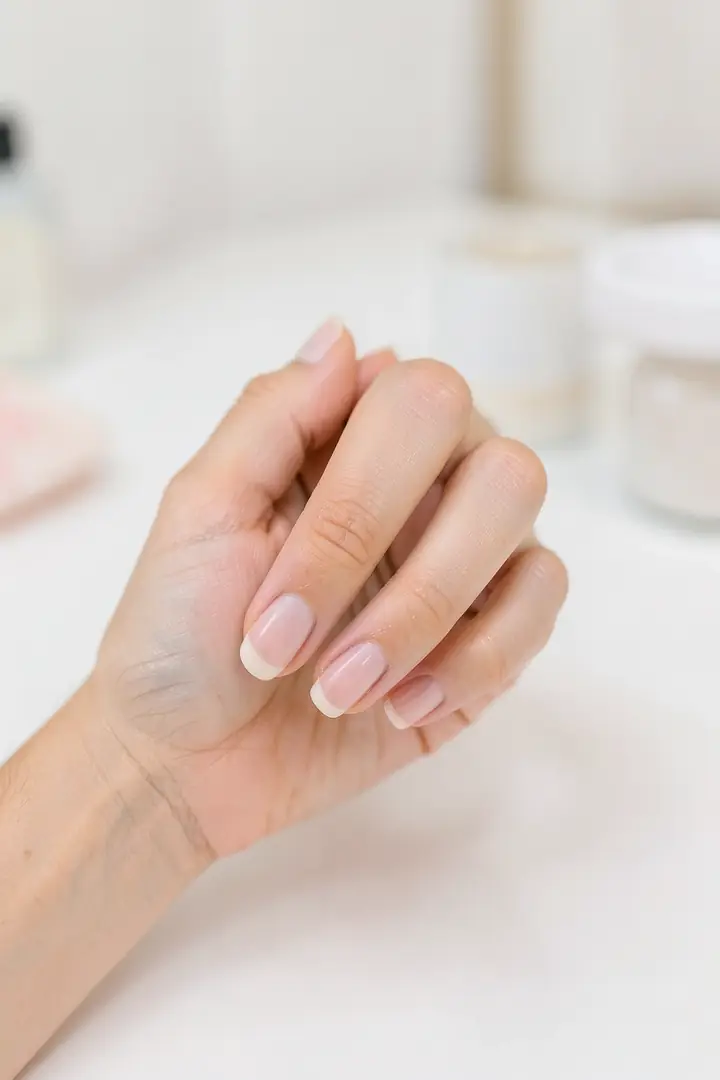
Pay special attention to the area under your nails and around your cuticles, where water tends to linger. This is where peeling often starts because that area stays damp longer. Use the edge of your towel to gently dry underneath and around the sides of your nails. If you’ve been in water for an extended period, like a long bath or swimming session, give your nails extra drying time before applying moisturizer. Once they’re completely dry, that’s the perfect time to apply your cuticle oil or nail cream to seal in any remaining moisture.
Limit Soaking and Prolonged Water Exposure
Beyond wearing gloves and moisturizing, simply being mindful of how much time your nails spend in water helps prevent damage. Long, hot baths and extended swimming sessions expose your nails to prolonged water contact and heat, both of which weaken them. If you love long baths, wearing waterproof gloves or keeping your hands out of the water for most of the soak makes a difference. For swimming, waterproof nail gloves exist, but realistically, most people don’t use them. At minimum, moisturize your nails thoroughly after swimming to counteract the water exposure.
If you’re a frequent hand washer—which is great for hygiene—consider using lukewarm water instead of hot water. Hot water opens up the nail structure more and causes more swelling. Lukewarm water is gentler on your nails while still cleaning your hands effectively. After washing, dry your hands completely, including your nails. These small adjustments in your daily routine add up to much healthier nails over time.
If you notice your nails are already damaged or very brittle, it’s worth being extra cautious for a few weeks while they recover. Wear gloves more frequently, moisturize more often, and limit unnecessary water exposure. Once your nails start showing new, stronger growth, you can ease back into your normal routine while maintaining the protective habits you’ve learned.
Choose Nail Products That Protect and Hydrate
Not all nail products are created equal when it comes to water protection. Look for cuticle oils and nail creams that are specifically formulated to hydrate and strengthen nails. Ingredients matter here. Jojoba oil is lightweight and penetrates deeply, argan oil is rich and nourishing, and vitamin E provides antioxidant protection. Glycerin helps nails retain moisture, and keratin reinforces the nail structure. When you’re shopping, check the ingredient list to see what’s actually in the product.
You don’t need an expensive product to see results—many affordable drugstore options contain good hydrating ingredients. What matters more is consistency and choosing a product you actually like using. If you love the smell and feel of your cuticle oil, you’re more likely to use it every day. Some people prefer thinner oils that absorb quickly, while others like richer creams. Experiment to find what works best for your nails and your preferences.
Avoid products with harsh chemicals or acetone if your nails are already damaged. Regular hand lotion can help, but nail-specific products work better because they’re formulated to penetrate the nail structure. You can use hand lotion as a base layer, but follow it with a dedicated nail oil for the best protection. A good nail strengthener or base coat can also create a protective barrier on your nails, though these work best as part of a complete routine that includes gloves and moisturizing.
Frequently Asked Questions
How long does it take for water damage to show up on natural nails?
Water damage usually shows up gradually over a few weeks to a few months, depending on how often your nails are exposed to water. You might notice peeling, brittleness, or white spots appearing first. If you work in a wet environment or wash your hands frequently without protection, damage can become visible faster. The good news is that once you start protecting your nails, new growth comes in stronger within about 6 to 8 weeks.
Can I use regular hand lotion on my nails to prevent water damage?
Hand lotion helps, but nail-specific oils and cuticle creams work better because they penetrate the nail structure more effectively. Regular lotion sits on top and washes off quickly. Look for products with ingredients like jojoba oil, argan oil, or vitamin E that are designed to hydrate nails. You can use hand lotion as a base layer, but follow it with a richer nail oil for the best protection.
Do I need to wear gloves for every time I wash my hands?
You don’t need gloves for every quick hand wash, but wearing them during longer water exposure makes a real difference. Think of it this way: a quick rinse is fine, but dishwashing, laundry, cleaning, or bathing are good times to slip on gloves. If your job involves constant water exposure, wearing gloves most of the time is worth it for healthier nails.
What type of gloves work best for nail protection?
Cotton-lined latex or nitrile gloves are ideal because they protect your nails while letting your hands breathe. Avoid thin plastic gloves that trap sweat, which can actually damage nails more. If you’re sensitive to latex, nitrile gloves are a great alternative. Make sure they fit snugly so water doesn’t seep in at the wrists.
Is it normal for nails to feel soft after being in water?
Yes, that’s completely normal. Water makes nails temporarily softer and more flexible because it causes them to swell. This is why your nails feel easier to file or cut right after a shower. The problem happens when this swelling and shrinking cycle repeats too often without proper moisture protection. That’s when nails become permanently weakened and brittle.
Can nail strengthening products actually prevent water damage?
Strengthening products help, but they work best as part of a complete routine that includes gloves and moisturizing. A good nail strengthener creates a protective layer and adds hydration, making nails more resilient to water exposure. However, no product can fully protect your nails if you’re constantly exposing them to water without gloves. Think of strengtheners as support, not a complete solution.
Conclusion
Protecting your natural nails from water damage doesn’t require complicated or expensive solutions. The most effective approach combines three simple habits: wearing gloves during water-heavy tasks, moisturizing your nails right after water exposure, and building a consistent daily nail care routine. Understanding why water damages your nails—by causing them to swell and shrink repeatedly—helps you see why these habits actually work. You’re not just following random rules; you’re addressing the root cause of the problem.
Start by adding gloves to your dishwashing and cleaning routine this week. Pick a cuticle oil or nail cream that you like and apply it every morning and night. Dry your nails thoroughly after washing your hands or bathing. These small changes, done consistently, add up to noticeably stronger and healthier nails within a few weeks. Your nails are constantly growing and renewing themselves, so the damage you see now won’t be permanent once you start protecting them. Be patient with the process, stay consistent with your routine, and you’ll see your nails become more resilient and less prone to peeling, brittleness, and breakage.